When a Lifestyle Property Doesn't Have Everything You Want: How to Evaluate the Potential Quick Answer:
When a Lifestyle Property Doesn't Have Everything You Want: How to Evaluate the Potential
Quick Answer:
When a lifestyle property checks most of your boxes but falls short in a few areas, the key is understanding what can realistically be changed, what will cost more than expected, and what may be difficult or impossible to change. In Colorado, that means looking beyond the house or acreage to consider zoning, water availability, access, infrastructure, and your long-term plans. The goal is not to find a perfect property, but to decide whether a property's opportunities, limitations, and costs align with the life you want to build.
Why Is It Worth Looking Beyond a Property's Current Condition?
When you're searching for a home, horse property, or rural acreage around Denver, it's easy to focus on what a property is missing.
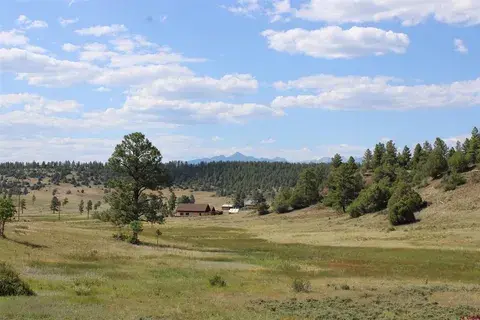
Maybe the barn is smaller than you hoped. Perhaps the fencing needs attention, the kitchen feels dated, or there's no established riding arena. You might find a beautiful piece of land that offers privacy and mountain views but lacks the utilities or outbuildings you need.
These shortcomings can make it tempting to move on immediately.
But a property's current condition doesn't always tell the whole story. Some features can be improved over time, while others are tied to the land itself, local regulations, or the cost of bringing essential services to the property.
I've found that a more useful approach is to separate what you would like to change from what you need to change. A dated interior might be manageable if your priority is acreage for horses. On the other hand, a property with limited water access or restrictive land-use rules may not support the plans you have in mind, regardless of how appealing it looks.
Everyone defines an ideal lifestyle property differently. What matters most depends on your goals, your budget, and how much time and work you're comfortable investing.
What Should You Evaluate First When a Property Falls Short of Your Expectations?
Before estimating renovation costs or imagining future improvements, take a closer look at the property's fundamental characteristics.
Can the Property Legally Support Your Plans?
Start with zoning and permitted land uses.
In the Denver metro area and surrounding communities, land-use rules can vary significantly between municipalities, counties, and individual parcels. A property advertised as an equestrian property or agricultural acreage doesn't automatically give you permission to add every structure or operate every activity you have in mind.
For example, you might find a five-acre property near Parker that appears ideal for horses. Before assuming you can build a larger barn, add an arena, or keep additional animals, verify the applicable zoning, animal-keeping rules, setbacks, and building requirements.
If you're considering a rural property outside Denver, check whether county regulations, recorded restrictions, easements, or other land-use requirements could affect your plans.
Practical next step: Contact the relevant planning or zoning department with the property's parcel number and a clear description of your intended use. Ask about existing approvals, potential permits, and any restrictions that could affect future improvements.
Treat a property's current use as a starting point for investigation, not a guarantee that your plans will be approved.
Does the Land Actually Work for Your Lifestyle?
Acreage is only one part of the equation. The layout, terrain, drainage, and usable space can matter just as much.
A property may have ten acres on paper, but steep slopes, drainage areas, easements, or irregular boundaries could limit the space available for turnout, gardening, equipment storage, or other activities.
For horse owners, consider how the land is arranged. Are the paddocks conveniently located? Is there enough room for safe movement between the barn, turnout areas, and water sources? Would a future arena fit without creating drainage or access problems?
For buyers interested in agricultural use, consider soil conditions, growing season, slope, irrigation availability, and the practical requirements of the intended operation.
A helpful exercise: Walk the property and map out where your essential features would go. Include buildings, fencing, parking, animal areas, gardens, equipment storage, and access routes. This can reveal limitations that aren't obvious during a showing.
Remember that not all acreage is equally usable, and usable land can mean different things to different buyers.
What Improvements Are Usually Easier to Plan For?
Some shortcomings are relatively straightforward to evaluate because they involve visible features or defined projects.
Cosmetic Updates and Interior Improvements
Outdated flooring, older cabinets, paint, lighting, and some interior finishes may be manageable projects, depending on their condition and your budget.
However, cosmetic issues can sometimes conceal larger concerns. Before assuming a home needs only minor updates, investigate its roof, foundation, electrical system, plumbing, heating, and other major components.
For rural homes, also pay attention to the condition and capacity of existing septic systems, private wells, and utility connections.
A property with an older kitchen but sound major systems may present a different financial picture from one with a renovated interior and expensive infrastructure problems.
Fencing, Gates, and Basic Property Organization
Existing fencing may need repairs or replacement to support your intended use. Gate placement, pasture divisions, and access between buildings can also influence how functional the property feels.
For horse properties, evaluate fence condition and suitability for the animals you plan to keep. Don't assume that every existing fence is appropriate for horses simply because the property is marketed for equestrian use.
Ask for estimates from qualified contractors and consider the entire layout, not just the visibly damaged sections.
Barns, Arenas, and Outbuildings
Adding or improving equestrian infrastructure can be more involved than it first appears.
A barn project may require permits, suitable access, electrical work, water service, drainage planning, and compliance with setback requirements. An arena may require grading, a suitable base, drainage, footing materials, and ongoing maintenance.
Before purchasing a property that needs these improvements, confirm that the intended structures are allowed and that the site can accommodate them.
The key question is not simply whether an improvement is possible. It's whether the improvement is feasible, affordable, and worthwhile for your particular goals.
Which Colorado Property Limitations Are Harder to Change?
Some of the most important factors are also the easiest to overlook during an exciting property search.
Water Rights, Well Permits, and Irrigation
Water deserves careful attention when buying land in Colorado.
A property may have a well, irrigation equipment, or historic agricultural use, but none of these automatically establishes that you have the legal right to use water in every way you intend.
Colorado water law is complex, and groundwater rules depend on the location, aquifer, and applicable legal framework. Well permits may specify allowed uses, restrictions, and other conditions. Irrigation rights may be separate from domestic well permissions.
If you plan to water livestock, irrigate pasture, grow crops, or maintain a large garden, investigate the property's actual water arrangements before making assumptions.
Request available well permits and records, review any documented water rights, and consult appropriate professionals when the intended use depends on water availability or legal authorization.
For example, a property with several acres of pasture might appear ideal for keeping horses. If the available water supply or legal use doesn't support your intended management plan, maintaining that pasture could be more difficult or expensive than expected.
Septic Systems and Utilities
Rural properties may rely on private septic systems, wells, propane, or other infrastructure that differs from what you'd expect in a suburban neighborhood.
If you plan to add a bedroom, expand a home, build an accessory structure, or increase occupancy, verify the relevant system capacities and requirements.
A septic system's approved capacity may affect whether a proposed addition is feasible. Extending electrical service to a distant building can also be more involved than expected.
Ask about existing permits, inspections, maintenance records, and the requirements for any proposed expansion. A licensed inspector or qualified specialist can help identify concerns that deserve further investigation.
Access, Easements, and Property Boundaries
A property can look private and accessible while having legal or practical limitations.
Determine whether access is provided by a public road, private road, or recorded easement. If a shared road serves several properties, understand the maintenance responsibilities and any relevant agreements.
Review recorded easements and survey information to determine whether utility corridors, access rights, or other restrictions could affect where you build or how you use the land.
If your plans depend on a new driveway, additional entrance, or access for trailers and agricultural equipment, verify what is permitted and practical.
These details are especially important when comparing rural properties around Elizabeth, Franktown, Bennett, Castle Rock, and other communities beyond Denver's more established suburban areas.
How Do You Estimate Whether Improvements Are Worth the Cost?
Once you understand the property's limitations, build a realistic picture of what it would take to make the property work for you.
Start by creating three categories:
Essential before moving in: Repairs or improvements required for your immediate needs, such as addressing significant defects or establishing necessary services.
Important within the first few years: Projects that would substantially improve functionality, such as replacing unsuitable fencing or upgrading an essential outbuilding.
Optional future projects: Features you would enjoy but don't need immediately, such as a larger arena, a renovated kitchen, or additional landscaping.
Next, request estimates from qualified professionals. For complex projects, consider obtaining more than one estimate and confirming exactly what each includes. Costs can vary depending on site conditions, materials, permitting, contractor availability, and the scope of work.
Allow room in your budget for unexpected expenses. Older rural properties, in particular, can involve maintenance or infrastructure needs that aren't fully apparent during an initial visit.
Then compare the total expected investment with other properties that already have the features you want.
A property with a lower asking price isn't necessarily the less expensive option once you include improvements. At the same time, a property needing work isn't automatically a poor choice. The right comparison depends on the purchase price, project costs, your intended use, and the alternatives available.
If you're preparing financially for a purchase, you can explore the process here: https://www.yourwunderhome.com/get-pre-approved
A lender can help you understand your purchasing budget, although renovation financing, land loans, and certain rural-property features may require separate conversations with lenders familiar with those situations.
How Does Rural Living Compare With Suburban Living Near Denver?
The difference between rural and suburban living often comes down to how you want to spend your time, not simply how much land you want to own.
Suburban homes may offer established utility connections, paved roads, neighborhood services, and more predictable access to shopping and commuting routes. Depending on the location, they may also have homeowners association rules or other neighborhood restrictions.
Rural properties can offer more privacy, space for animals, room for projects, or a stronger connection to outdoor activities. However, they may also require more hands-on maintenance, longer trips for services, private infrastructure management, or additional planning for winter access.
Consider a buyer choosing between a home in Parker with a modest backyard and an acreage property farther east.
The suburban option may better support a daily commute and a lower-maintenance routine. The rural option may offer space for horses or gardening, but could involve more driving, fencing maintenance, and responsibility for property systems.
Neither choice is inherently better.
Think about an ordinary Tuesday, not just an ideal Saturday. How much time do you want to spend maintaining the property? How often will you travel into Denver? Are you comfortable coordinating contractors and managing land-related responsibilities?
Your answers can help clarify which trade-offs make sense.
What Should You Ask Before Buying a Property With Untapped Potential?
Before moving forward, consider these questions:
- What exactly is missing? Identify the specific features or capabilities the property lacks.
- Can the missing feature be added legally? Confirm zoning, permits, restrictions, and approvals with the appropriate authorities.
- Is the site physically suitable? Consider terrain, drainage, access, utilities, and the property's layout.
- What will the project cost? Obtain professional estimates rather than relying on rough assumptions.
- How soon do you need the improvement? Separate immediate requirements from long-term ideas.
- What happens if the plan doesn't work? Consider whether the property would still meet your needs if a proposed improvement were delayed, more expensive, or not approved.
- How does it compare with alternatives? Evaluate other properties using the same priorities and realistic total costs.
These questions help turn an emotional decision into an informed one without taking the excitement out of finding a place that fits your lifestyle.
How Can You Make a Confident Decision Without Finding a Perfect Property?
A property doesn't have to be flawless to be worth considering. It does, however, need to work within the boundaries of your priorities, resources, and realistic options.
Start by identifying your non-negotiables. For one buyer, that might mean a permitted setup for two horses and a manageable commute. For another, it could mean agricultural potential, reliable water access, or a home that requires very little maintenance.
Then investigate the features that could affect those priorities most. For rural and equestrian properties in Colorado, that often means zoning, water, usable acreage, infrastructure, access, and the cost of future improvements.
Finally, give yourself permission to walk away when the limitations outweigh the opportunities. Not every property with potential is the right fit, and you don't need to justify passing on one that doesn't align with your plans.
If you want to explore available properties and compare what different homes and land offerings provide, you can start here: https://www.yourwunderhome.com/listing
For Gabrielle and Ryan Wunderlich, the goal is to help buyers and sellers understand the choices in front of them. That means looking at the property as it exists today, asking thoughtful questions about what it could become, and helping you evaluate the trade-offs so you can make a decision that feels right for your circumstances.
If you're considering selling a property that has room for improvement, it can be useful to understand how buyers may view its existing features and limitations, too. You can learn more here: https://www.yourwunderhome.com/sell
The most useful perspective is often a balanced one. Recognize the potential, understand the constraints, and make your decision based on the life you actually want to live.
Frequently Asked Questions About Evaluating Lifestyle Properties in Colorado
How do I evaluate the potential of a lifestyle property in Colorado?
Start by identifying your intended use and the features you need to support it. Then evaluate zoning, usable acreage, water availability, access, utilities, existing structures, and the cost of improvements. Verify permits and restrictions with the relevant authorities, and compare the property's total expected investment with similar alternatives.
What should I look for when buying a horse property near Denver?
Look beyond acreage and the presence of a barn. Evaluate fencing, turnout areas, trailer access, water availability, drainage, storage, and the layout of the property. Confirm that horse keeping and any planned facilities comply with applicable zoning, animal-keeping rules, and permit requirements. The right setup depends on the number of horses you plan to keep and how you intend to manage them.
Is it worth buying a rural property that needs improvements?
It can be, depending on the purchase price, improvement costs, property limitations, and your willingness to manage projects. Compare professional estimates and potential timelines with the cost of buying a property that already meets your needs. Also consider whether the property would still work for you if a planned improvement turned out to be impractical.
Can I build a barn or riding arena on any acreage property in Colorado?
No. Permission depends on local zoning, land-use regulations, setbacks, building requirements, recorded restrictions, and site conditions. Before purchasing, contact the relevant county or municipal planning department to confirm whether the proposed structure and intended use may be allowed. Additional permits or approvals may be required.
What is the biggest mistake buyers make when evaluating a property with potential?
One common mistake is assuming that a desired improvement will be easy to complete without verifying the cost, legal requirements, and site conditions. Buyers can also underestimate ongoing maintenance or focus on the property's future possibilities while overlooking current limitations. A more balanced evaluation considers both what the property offers today and what it would realistically take to make it fit their plans.
Categories
Recent Posts