What Buyers Should Know About Conservation Easements in Colorado Quick Answer: What Should Buyers Know About Conservation Easements in Colorado?
What Buyers Should Know About Conservation Easements in Colorado
Quick Answer: What Should Buyers Know About Conservation Easements in Colorado?
A conservation easement is a legal agreement that limits certain uses of a property to protect its natural, agricultural, scenic, or ecological features. In Colorado, these restrictions can affect what you can build, how you use your land, whether you can keep horses or farm, and how easily you can sell the property later. Before buying, review the recorded easement, understand the permitted uses, and confirm that the property fits your long-term plans.
What Is a Conservation Easement in Colorado?
If you are looking at acreage outside Denver, a horse property near Parker, agricultural land around Brighton, or a rural home near Castle Rock, you may encounter a conservation easement during your property search.
At first, the term can sound like a minor legal detail. In reality, it can shape how you use your land for years to come.
A conservation easement is a legally binding agreement that restricts certain uses of a property to preserve identified conservation values. These values might include wildlife habitat, open space, agricultural land, wetlands, scenic views, or other natural resources.
In Colorado, conservation easements are often held by qualified land trusts or government entities. Depending on the agreement, the landowner may continue to own the property and use it for approved purposes, while giving up certain development rights.
For example, a property owner might be allowed to maintain a home, operate an existing barn, graze livestock, and manage pastureland, but be prohibited from subdividing the acreage into multiple residential lots.
Another property might allow agricultural activities but restrict new structures, significant grading, or changes to native grasslands.
The important distinction is that a conservation easement does not automatically make land unusable. It establishes specific boundaries around what the owner can and cannot do.
Every easement is different. The recorded document, rather than the property's marketing description, determines which restrictions apply.
Why Do Conservation Easements Matter When Buying Land Near Denver?
Conservation easements can be especially relevant in Colorado's Front Range, where residential growth, agricultural operations, wildlife habitat, and open-space preservation often intersect.
Buyers exploring properties near Elizabeth, Franktown, Larkspur, Bennett, or the communities east of Brighton may encounter land with conservation restrictions. The same is true in more rural areas beyond the Denver metro region.
These properties can appeal to buyers who want open views, agricultural surroundings, privacy, or a connection to the land. However, those benefits need to be considered alongside the legal restrictions attached to the property.
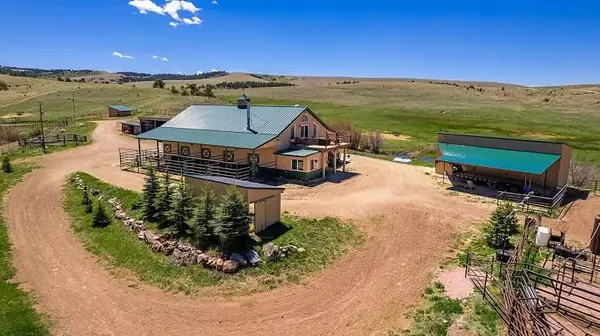
Imagine you find a 20-acre property with a farmhouse, a large pasture, and an existing barn. The listing mentions protected open space and presents the property as ideal for horses.
You plan to add a second home, build a larger indoor arena, and eventually divide the property so your family can live nearby.
The property may suit your current needs but not your future plans. The easement could restrict additional residences, new building footprints, subdivision, or particular forms of construction.
This is why I recommend evaluating the property's actual permitted uses before getting too attached to the setting or existing improvements.
What matters most depends on your goals. A conservation easement may be compatible with one buyer's plans and a significant obstacle for another.
What Can You Do on Land With a Conservation Easement?
The answer depends on the specific terms of the recorded agreement. Some easements preserve substantial flexibility for continued agricultural use, while others impose tighter controls on development and land management.
Here are several common activities buyers should investigate.
Can You Build a Home or Additional Structures?
Some conservation easements allow one or more residences within designated building envelopes. Others prohibit new residential construction or limit development to structures that existed when the easement was recorded.
A building envelope is a designated area where certain construction may be permitted under the agreement.
Before purchasing, determine whether you can:
- Build a primary residence, guesthouse, or accessory dwelling unit.
- Construct a barn, equipment shed, or detached garage.
- Add an indoor riding arena or covered livestock shelter.
- Expand an existing home or outbuilding.
- Install fences, driveways, or other site improvements.
Do not assume that an existing building means you can replace it, enlarge it, or construct another one in the same location.
Also, easement approval and county approval are separate considerations. A project might be consistent with county zoning but prohibited by the conservation agreement. Conversely, the easement may allow a structure that still requires zoning approval, building permits, or other authorizations.
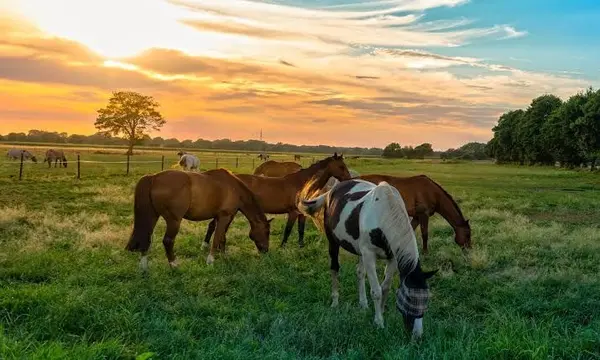
Can You Keep Horses on a Conserved Property?
For equestrian buyers, this question deserves special attention.
Some conservation easements expressly permit horse ownership, grazing, equestrian use, and agricultural infrastructure. Others distinguish between ordinary livestock use, commercial boarding, intensive equestrian operations, and recreational riding facilities.
If horses are part of your plans, review the easement for provisions affecting:
- Number or types of animals.
- Pasture management and grazing.
- Barn construction and expansion.
- Outdoor and indoor arenas.
- Manure storage and disposal.
- Fencing, paddocks, and sacrifice areas.
- Commercial boarding, lessons, or training.
- Additional parking, lighting, and access improvements.
For instance, a property might permit a private horse barn and several paddocks but restrict a commercial boarding operation or a large indoor arena.
That distinction matters if you intend to operate a training business or generate income from the property.
You should also confirm county land-use requirements, applicable animal regulations, drainage conditions, and water availability. Permission to keep horses does not necessarily establish that the property has adequate resources to support them.
Can You Farm or Operate an Agricultural Business?
Agricultural preservation is one reason conservation easements are used in Colorado. Depending on the agreement, permitted activities may include crop production, grazing, hay production, or other established agricultural uses.
However, not every business associated with farming is automatically permitted.
A buyer considering a market garden, livestock operation, farm store, event venue, or agritourism business should determine whether the proposed use falls within the easement's definition of agriculture.
The agreement may also restrict additional buildings, commercial activities, changes to irrigation infrastructure, or conversion of pasture to other uses.
If you plan to make agriculture a significant part of your income, have the proposed operation reviewed before closing.
How Do Conservation Easements Affect Property Value and Resale?
A conservation easement can influence a property's marketability and value, but the effect is not the same for every property.
The outcome depends on the restrictions, location, permitted uses, acreage, improvements, comparable sales, and the preferences of future buyers.
Could a Conservation Easement Make Property Less Expensive?
In some situations, restrictions on development or subdivision can reduce the number of potential buyers or limit the property's development potential. That may affect market value compared with similar unrestricted land.
However, price differences cannot be assumed from the presence of an easement alone.
A buyer who prioritizes protected open space, agricultural continuity, or a particular rural lifestyle may find the property's permitted uses attractive. Another buyer who wants to subdivide or build multiple homes may not consider it suitable.
The useful comparison is between properties with similar characteristics and similar rights, not simply between properties with and without an easement.
Will a Conservation Easement Make the Property Harder to Sell?
It can narrow the buyer pool when restrictions conflict with common plans for the area. For example, a parcel with limited building rights may appeal to fewer buyers seeking development opportunities.
On the other hand, a property with an existing residence, functional agricultural improvements, and clearly documented permitted uses may remain appealing to buyers whose plans align with the restrictions.
Before purchasing, consider who your likely future buyer might be. Would the property primarily appeal to an owner-occupant, an equestrian buyer, a working farmer, or someone seeking development potential?
You cannot predict future demand with certainty, but understanding the property's likely audience can help you make a more informed decision.
What About Financing, Insurance, and Property Taxes?
Do not assume that a conservation easement automatically changes your mortgage options, insurance requirements, or property tax bill in a particular direction.
Lenders may need to review the easement and its effect on the collateral. Insurance providers will evaluate the property and its structures under their own underwriting requirements. Property taxes depend on applicable assessment rules, property classification, and other relevant factors.
Colorado properties may also involve agricultural classifications, conservation-related tax considerations, or other programs with separate eligibility requirements.
Ask your lender, insurance provider, county assessor, and qualified tax professional to evaluate the specific property. If you are purchasing for investment purposes, include these questions in your financial analysis rather than relying on general assumptions.
What Should You Review Before Buying a Property With a Conservation Easement?
Due diligence is where buyers can turn an unfamiliar legal restriction into a clearer understanding of what they are purchasing.
I recommend working through the following steps before your inspection and contractual deadlines expire.
1. Obtain and Read the Recorded Easement
Request the complete recorded conservation easement and any recorded amendments. Review the legal description, permitted uses, prohibited activities, reserved rights, and provisions governing future changes.
Pay particular attention to development rights, subdivision restrictions, building envelopes, and approval requirements.
A listing summary is useful background, but it is not a substitute for the actual agreement.
2. Identify the Easement Holder
Find out which organization or government entity holds the easement.
The easement holder may have rights to monitor the property, review certain proposed activities, or enforce the agreement. Contact the holder to understand the applicable review process and ask questions about your proposed uses.
Get important explanations and approvals in writing where appropriate. An informal conversation should not replace the agreement's formal requirements.
3. Verify County Zoning and Land-Use Rules
Colorado land-use rules vary by county and municipality. A property near Parker may be subject to different requirements than acreage near Elizabeth or Brighton.
Contact the appropriate planning or land-use department to verify:
- Permitted residential and agricultural uses.
- Minimum lot sizes and subdivision rules.
- Setbacks and building requirements.
- Regulations for barns, arenas, and accessory structures.
- Requirements for commercial equestrian activities.
- Applicable access, drainage, and development approvals.
Remember that satisfying zoning requirements does not override a conservation easement.
4. Check Water Rights, Wells, and Irrigation
Water deserves particular attention when buying rural Colorado property.
Do not assume that a conservation easement provides water rights, guarantees irrigation access, or authorizes a new well.
Review the property's water rights and any associated decrees, ditch shares, irrigation agreements, well permits, and recorded restrictions. Confirm whether existing water supplies are adequate for your intended use.
If you plan to irrigate pasture, grow crops, or support horses, ask qualified professionals to evaluate both legal availability and practical capacity.
The property's water situation can be just as important as the acreage itself.
5. Confirm Access, Utilities, and Existing Improvements
Review recorded access easements, road maintenance arrangements, and any restrictions on new roads or driveways.
Also investigate electricity, internet, septic systems, well infrastructure, drainage, and the condition and legal status of existing buildings.
For horse properties, look closely at fencing, pasture layout, shelter, manure management, and the condition of barns and arenas.
A structure that exists today may not necessarily be replaceable or expandable under the easement.
6. Consider an Attorney and a Qualified Land Professional
A Colorado real estate attorney familiar with conservation easements can help interpret the agreement and identify restrictions that may affect your plans.
Depending on the property, you may also need input from a surveyor, land-use planner, water-rights attorney, agricultural specialist, or appraiser experienced in rural land.
This is particularly important if your purchase depends on a future improvement, a subdivision possibility, or a specific business use.
If you are still comparing options, you can start here: Your Wunder Home. The goal is to identify the right questions early, before committing to a property that may not support your plans.
Is a Conservation Easement a Good Fit for Rural or Equestrian Living?
There is no universal answer. The right fit depends on how you want to use the property today and what you may want to do with it in the future.
When Might a Conservation Easement Fit Your Goals?
A conserved property may be worth exploring if you want to maintain an existing home, enjoy open space, keep horses within permitted limits, or continue an established agricultural operation.
For some buyers, knowing that certain development rights have been permanently restricted is part of the appeal. The surrounding landscape may be less likely to experience particular types of development that the easement prohibits on the protected property.
Still, the easement does not guarantee that neighboring properties will remain undeveloped. Separate land-use decisions, zoning rules, and other conservation agreements determine what can happen nearby.
When Should You Be More Cautious?
Take extra care if your plans depend on adding several structures, subdividing acreage, expanding a commercial horse operation, or changing the property's use significantly.
For example, someone purchasing 35 acres outside Denver might initially plan to build a second residence for family members. If the easement prohibits additional dwellings, that plan may not be feasible even if the parcel appears large enough.
Before purchasing, separate your immediate needs from your long-term possibilities. Make a list of the improvements and activities you consider essential, then confirm that each is permitted.
For a broader look at available properties and different ownership options, you can explore available listings.
What Colorado-Specific Issues Should Buyers Understand?
Conservation easements are only one part of the due diligence process when buying rural land in Colorado.
Several additional considerations can influence whether a property fits your plans.
Water rights and availability: Colorado water law is complex. The ability to use water for household purposes, livestock, irrigation, or other activities depends on the applicable rights, permits, and legal requirements.
Zoning and land use: Counties establish rules for residential development, agriculture, animals, accessory structures, and commercial operations. Confirm the property's current zoning and applicable regulations directly with the relevant county.
Septic systems and wells: Existing systems should be evaluated for condition, capacity, and regulatory compliance. A property's existing well or septic system does not automatically establish that it can support additional homes or expanded use.
Wildlife and habitat: Some properties contain sensitive habitat or other environmental features that may create additional considerations for construction and land management.
Property taxes: Agricultural classification and other tax considerations depend on applicable requirements. A conservation easement alone does not guarantee a particular assessment or tax benefit.
These details matter whether you are buying a horse property near Franktown, agricultural acreage near Brighton, or a rural residence farther from the Denver metro area.
If you are evaluating a property for a specific lifestyle or investment strategy, it can also help to review client experiences and reviews to understand how Gabrielle and Ryan approach real estate decisions with their clients.
What Questions Should You Ask Before Making an Offer?
Before moving forward, make sure you can answer these practical questions:
- What uses does the recorded conservation easement expressly allow?
- Are there restrictions on additional homes, barns, arenas, or other structures?
- Can the property be subdivided, or are subdivision rights restricted?
- Is the planned horse, agricultural, or commercial use permitted?
- Who holds the easement, and what approvals are required?
- Are the water rights, well permits, access rights, and irrigation arrangements appropriate for your intended use?
- What county permits or land-use approvals would be required for planned improvements?
- Could the restrictions affect financing, insurance, marketability, or resale?
- Have qualified professionals reviewed the easement before the relevant contractual deadlines?
You do not need to have every answer on your own. The goal is to identify uncertainties early and bring in the right professionals to resolve them.
Final Thoughts: How Should You Approach Buying Land With a Conservation Easement?
Buying land in Colorado involves more than evaluating acreage, views, and existing improvements. It also means understanding the legal rights that come with the property and the limitations that may shape its future.
A conservation easement can preserve important land features while restricting certain development and land-use options. Whether that arrangement suits you depends on your priorities, your intended use, and your comfort with those restrictions.
Take time to review the recorded agreement, speak with the easement holder, verify county requirements, and investigate water, access, infrastructure, and future building possibilities. When your plans depend on a particular use, confirm that use before you buy.
Gabrielle and Ryan Wunderlich believe buyers should have the information they need to make decisions that fit their lives, whether they are exploring an equestrian property, agricultural acreage, rural homes, or residential real estate around Denver.
If you are thinking about buying or selling, we are happy to be a resource. No pressure, just guidance when you need it.
Start the conversation at Your Wunder Home.
FAQ: Conservation Easements in Colorado
- What should buyers know before purchasing land with a conservation easement in Colorado?
Buyers should understand the recorded easement's restrictions, permitted uses, development rights, and approval requirements. They should also investigate zoning, water rights, access, utilities, and existing improvements. Have a qualified Colorado real estate attorney review the agreement if its terms could affect your intended use.
- Can you build a home or horse facilities on Colorado land with a conservation easement?
Possibly. Some easements allow construction within designated building envelopes or permit specific agricultural and equestrian structures. Others restrict new buildings or expansions. Confirm the easement's terms with the holder and check applicable county requirements before relying on a proposed building plan.
- Does a conservation easement reduce property value in Colorado?
Not necessarily. Restrictions on development or subdivision may limit the property's appeal to certain buyers, while other buyers may value the protected landscape and permitted uses. Market value depends on the specific property, its rights and restrictions, comparable sales, and buyer demand.
- Can you subdivide property with a conservation easement?
Subdivision may be prohibited or limited by the agreement. Some easements retain narrowly defined subdivision rights, while others eliminate them. Review the recorded document and confirm the property's legal options with the easement holder, county planning department, and a qualified real estate attorney.
- Who enforces conservation easements in Colorado?
Enforcement generally rests with the easement holder identified in the recorded agreement, often a qualified land trust or government entity. The agreement establishes the holder's rights and responsibilities, which may include monitoring the property and addressing violations. Buyers should identify the holder and understand the process for obtaining approvals before closing.
Categories
Recent Posts