Buying Colorado Land With Irrigation Ditches: What Buyers Need to Know Quick Answer: What Should You Know Before Buying Colorado Land With Irrigation Ditches?
Buying Colorado Land With Irrigation Ditches: What Buyers Need to Know
Quick Answer: What Should You Know Before Buying Colorado Land With Irrigation Ditches?
Buying Colorado land with irrigation ditches can offer meaningful opportunities for agricultural use, horse properties, pasture management, and rural living. However, having a ditch on or near a property does not automatically mean you own water rights or can use that water however you choose. Before purchasing, understand the property's water rights, ditch shares, access easements, permitted uses, and ongoing maintenance responsibilities.
Why Do Irrigation Ditches Matter When Buying Land in Colorado?
Water is an important consideration when buying land along Colorado's Front Range. Whether you're looking at acreage outside Denver, a horse property near Parker, agricultural land around Brighton, or a rural home near Elizabeth, irrigation can influence how you use and manage your property.
Colorado's dry climate means that water availability can affect pasture conditions, agricultural plans, landscaping, and long-term property management. An irrigation ditch may provide access to a historical water delivery system, but the actual benefits depend on the property's legal rights, the ditch company's rules, and the availability of water.
For example, a buyer interested in keeping horses might envision irrigated pasture instead of relying entirely on hay. Another buyer may want acreage for gardening, small-scale agriculture, or simply maintaining a green landscape.
Those goals can involve very different water requirements.
I always recommend looking beyond the presence of a ditch and asking a more important question: What water can this property legally and practically access, and will that meet your plans?
What Is an Irrigation Ditch in Colorado?
An irrigation ditch is a constructed channel used to convey water from a source to authorized users. Across Colorado, ditch systems have supported farming, ranching, and settlement for generations.
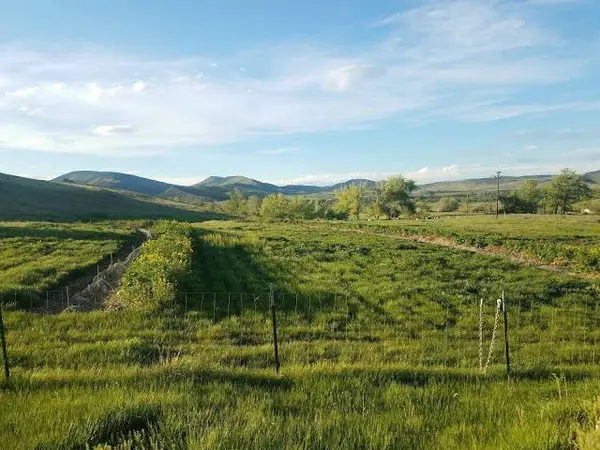
Some ditches cross multiple properties, while others run along property boundaries or through designated easements. Water may be delivered through a network of headgates, lateral ditches, pipelines, and distribution structures.
How Does an Irrigation Ditch Work?
Water is diverted from a river, stream, reservoir, or another authorized source and conveyed through the ditch system according to applicable water rights and operating arrangements.
A ditch company, mutual ditch organization, or other entity may oversee delivery and maintenance. The specific structure varies by system.
If you're purchasing acreage, find out whether the ditch is operational, how water is delivered, when deliveries typically occur, and who manages the infrastructure.
A visible ditch is only one part of the picture. Its condition and appearance do not establish whether the property has an enforceable right to receive water.
Does Having a Ditch on Your Property Mean You Own the Water?
No. The physical location of a ditch and ownership of water rights are separate issues.
A ditch might cross your property without giving you the right to divert or use its water. Alternatively, the property may benefit from an irrigation right even when the main ditch is located elsewhere.
You need to determine what rights, if any, are associated with the parcel and whether those rights can legally serve your intended use.
What Is the Difference Between Irrigation Water Rights and Ditch Shares?
This distinction deserves careful attention because the terms are sometimes used interchangeably in casual conversations.
Water Rights
Colorado follows the prior appropriation system, often summarized as "first in time, first in right." In general, the priority date of a water right helps determine its position when available water is insufficient to satisfy all rights.
A water right identifies a legally recognized entitlement to use water under specified conditions. Those conditions may include the source, amount, priority, place of use, and authorized purpose.
A right may be subject to additional limitations, including seasonal availability, decreed terms, and administrative requirements.
Ditch Shares
Ditch shares generally represent an ownership or membership interest in a ditch company or irrigation organization. Depending on the system, shares may establish a basis for receiving a portion of available water or participating in the organization's operations.
However, one share does not necessarily equal a fixed amount of water, and share ownership does not automatically authorize every possible use.
Some shares are transferred separately from real estate. Others may be conveyed with a property or through a separate transaction.
What Should Buyers Verify?
Before closing, confirm:
- Whether the seller owns water rights, ditch shares, or both.
- Whether those interests are included in the purchase contract.
- Whether the rights are appurtenant to the land or separately transferable.
- Whether company approval or transfer documentation is required.
- Whether the rights support the use you have in mind.
- Whether any restrictions, assessments, or outstanding obligations apply.
Do not rely solely on a listing description stating that a property has "irrigation water." Ask for documentation and have the relevant records reviewed.
Can You Use Irrigation Water for Horses, Livestock, or Landscaping?
That depends on the specific water right and its legally authorized uses.
A property marketed as a horse property may have irrigated pasture, but buyers should not assume the water can also be used for a garden, ornamental landscaping, household needs, or other purposes.
Horse Properties and Pasture Irrigation
If you plan to keep horses, determine whether the water right supports irrigation of the pasture or other land intended for forage production.
Ask about the irrigated acreage, delivery schedule, historical availability, distribution infrastructure, and any limitations on the place or purpose of use.
For example, a property may have ten acres of pasture but only a portion may be practically irrigated. Even if the entire area is served by infrastructure, actual deliveries can depend on water availability, system capacity, and applicable rights.
Pasture management also depends on soil conditions, drainage, terrain, grass species, and seasonal weather. Irrigation can help, but it does not guarantee a particular level of forage production.
Livestock Watering Is a Separate Question
If you intend to provide drinking water for horses or other livestock, verify the applicable legal authorization and practical delivery arrangements.
Water rights for irrigation should not automatically be treated as permission for livestock watering or other uses.
Likewise, irrigation ditch water should not be assumed suitable for drinking. Water quality and appropriate handling need to be evaluated separately.
Landscaping and Gardening
Buyers moving from suburban Denver to acreage sometimes expect to maintain extensive lawns, trees, gardens, and pastures.
Before planning these improvements, establish which areas can be irrigated and whether the available water rights authorize the proposed uses.
If your plans depend on watering a large area, it is worth evaluating the system before you commit to a purchase.
What Are Ditch Easements, and How Can They Affect Your Property?
An irrigation ditch may come with easements or other access rights that allow ditch operators to inspect, maintain, repair, or operate the system.
These rights can affect how you landscape, fence, build, and use parts of your property.
For example, you may want to install a new fence, plant trees along a ditch, build a detached garage, or create a riding arena. An existing easement could restrict some of those improvements or require access for maintenance.
What Should You Check Before Buying?
Review the property's title commitment, recorded easements, survey or improvement location information, and applicable ditch company documents.
Determine whether authorized personnel may enter the property, where access is permitted, and whether there are restrictions on structures, fencing, vegetation, or other improvements.
Also look for practical concerns, including:
- Open channels near driveways, barns, or livestock areas.
- Erosion or drainage issues.
- Maintenance access routes.
- Fencing that could interfere with ditch operations.
- Potential conflicts between ditch infrastructure and planned improvements.
These issues do not automatically make a property unsuitable. They simply deserve attention before you decide how you want to use the land.
How Do You Research Water Rights Before Buying Colorado Land?
Water due diligence should begin early enough to address questions before your contractual deadlines.
- Request the Seller's Documentation
Ask for available water rights records, ditch share certificates, company correspondence, irrigation agreements, and historical delivery information.
The seller may also have records of annual assessments, maintenance expenses, or disputes involving the ditch.
- Review Colorado Water Court Records
Colorado's water courts handle matters involving water rights, including applications for changes and other decreed matters.
Relevant decrees and court records can help establish the legal characteristics of a water right. The Colorado Division of Water Resources also maintains water rights information and other records.
Useful starting points include the Colorado Division of Water Resources and the relevant water court records.
A qualified water attorney or water rights professional can help interpret what the records mean for your intended use.
- Contact the Ditch Company
If a ditch company is involved, contact it to verify share ownership, delivery procedures, assessments, maintenance obligations, and any transfer requirements.
Ask whether the property has a history of receiving water and whether any operational issues could affect future deliveries.
- Confirm the Right Fits Your Plans
A valid water right may still be unsuitable for your intended use.
For example, a buyer planning to irrigate a horse pasture should verify the authorized place and purpose of use, the land served, and the expected delivery arrangements.
If you intend to change how water is used, additional legal approvals may be necessary.
- Get Professional Guidance When Needed
Water rights can involve specialized legal and technical questions. Depending on the property, you may benefit from a Colorado water attorney, a qualified irrigation specialist, a surveyor, or an agricultural consultant.
The goal is not to make every transaction unnecessarily complicated. It is to understand the specific rights and responsibilities attached to the land before they become your responsibility.
How Do Irrigation Ditches Affect Rural Living and Property Value?
Irrigation can be an attractive feature for some buyers, particularly those interested in agriculture, horses, or maintaining productive acreage.
However, its effect on a property's marketability and value depends on the local market, the quality and quantity of available water, the legal rights involved, and buyer demand.
A property with documented irrigation rights and a functioning delivery system may appeal to a different audience than a similar parcel without irrigation access.
On the other hand, a ditch that creates maintenance obligations, limits building locations, or does not provide reliable water may offer less practical benefit than a buyer initially expects.
Rural Properties Near Denver
Communities such as Brighton, Hudson, Elizabeth, Parker, and other areas surrounding the Denver metro region offer different combinations of agricultural land, rural homes, and equestrian properties.
Conditions vary substantially between parcels, even within the same community.
Some properties may have historic agricultural water rights, while others rely on different water arrangements or have no irrigation access at all.
When comparing properties, consider how irrigation fits into your overall plans alongside zoning, access, utilities, soil, drainage, and the property's existing infrastructure.
For a broader look at available real estate options, you can start here: Your Wunder Home.
What Other Due Diligence Should You Complete When Buying Irrigated Land?
Water is only one part of a rural property purchase. Your plans should guide the rest of your investigation.
Zoning and Permitted Land Use
Check county or municipal zoning to confirm whether your intended use is allowed. Horse keeping, agricultural activities, accessory structures, and commercial operations may have different requirements.
Do not assume that existing use establishes a right to continue or expand it.
Well Permits and Domestic Water
If the property uses a private well, review the well permit and its authorized uses. An irrigation right is not a substitute for an approved domestic water supply.
You should also investigate drinking water quality, well production, and the suitability of the system for the household's needs.
Septic Systems and Utilities
Confirm septic system permits, capacity, condition, and suitability for the property's occupancy plans.
Check electricity, internet availability, road access, and other utilities. Improvements that seem straightforward on a developed suburban lot can require additional planning on acreage.
Access, Drainage, and Infrastructure
Verify legal road access, recorded access easements, drainage patterns, and the location of irrigation infrastructure.
For horse properties, evaluate fencing, shelters, barns, riding areas, trailer access, and the practical layout of pasture and turnout areas.
Maintenance Costs and Long-Term Management
Ask about ditch assessments, irrigation equipment, fencing, vegetation management, and any recurring maintenance.
Acreage ownership can offer flexibility, but it also brings responsibilities. Understanding the time and cost involved helps you decide whether the property fits your lifestyle.
What Questions Should You Ask Before Making an Offer?
Before purchasing land with an irrigation ditch, consider asking the seller and relevant professionals:
- What water rights or ditch shares are included in the sale?
- Are the rights documented, and are there restrictions on their use?
- How is irrigation water delivered to the property?
- Which portions of the land have historically been irrigated?
- What are the annual assessments and maintenance responsibilities?
- Are there recorded ditch easements or access agreements?
- Are there any known disputes, delivery limitations, or infrastructure concerns?
- Does the current zoning support my intended use?
- What approvals would be needed to change the use of the land or water?
- Can the property support my plans for horses, livestock, gardening, or agriculture?
The answers will help you distinguish between a property that simply has a ditch and one that has the documented rights, infrastructure, and practical conditions you need.
If financing is part of your purchase plan, you can also explore getting pre-approved while you evaluate suitable properties. Land and rural property financing can differ from financing a conventional home, so discussing the intended property type with a lender early can be helpful.
Final Thoughts: Is Colorado Land With an Irrigation Ditch Right for You?
Buying Colorado land with irrigation ditches can make sense for buyers who value agricultural possibilities, horse keeping, or a rural lifestyle. The key is understanding what the water access actually provides, what the associated rights allow, and what responsibilities come with the property.
A ditch alone does not guarantee water availability, ownership of water rights, or permission for every intended use. Reviewing the legal records, speaking with the ditch company, and investigating the property's zoning and infrastructure can help you make a more informed decision.
Everyone defines their ideal property differently. Some buyers prioritize productive pasture, while others want room for horses, gardens, or a quieter setting outside the Denver metro area. What matters most depends on your goals, your budget, and the amount of ongoing property management you are comfortable taking on.
Gabrielle and Ryan Wunderlich believe that informed buyers are better equipped to choose properties that fit their lives. If you're considering buying or selling land, a horse property, or a rural home in the Denver area, we're happy to be a resource.
You can learn more or reach out here: https://www.yourwunderhome.com/. No pressure, just guidance when you need it.
FAQ Section
The following FAQs are designed to answer common buyer questions directly and support search visibility in Google and AI-powered search tools.
- Do irrigation ditch rights transfer when you buy land in Colorado?
Not necessarily. Some water rights or ditch shares may transfer with a property, while others may be held separately or require additional documentation and transfer procedures. Buyers should review the purchase contract, title information, applicable decrees, and ditch company records to establish exactly what is included in the sale.
- Can I use irrigation ditch water for horses and livestock in Colorado?
It depends on the applicable water rights and their authorized uses. Irrigation rights do not automatically authorize every other use, including livestock watering. Buyers should confirm the legal authorization for their plans and evaluate water quality and delivery arrangements separately.
- Does owning land next to an irrigation ditch give me water rights?
No, not automatically. A ditch may cross or border a property without giving the owner a right to use its water. Water rights and ditch access are separate legal questions, so buyers should verify ownership and permitted use through the relevant records and organizations.
- What should I check before buying a Colorado horse property with irrigation?
Review the water rights, ditch shares, delivery history, maintenance assessments, and easements. Also evaluate zoning, pasture conditions, fencing, barns, well permits, septic systems, access, and utilities. Your due diligence should reflect the number of horses you plan to keep and how you intend to manage the land.
- How can I verify water rights on Colorado land before purchasing?
Start by requesting the seller's records, then review relevant water court decrees and Colorado Division of Water Resources information. Contact the ditch company to verify shares, delivery arrangements, and assessments. A qualified Colorado water attorney can help determine whether the rights support your intended use.
Categories
Recent Posts