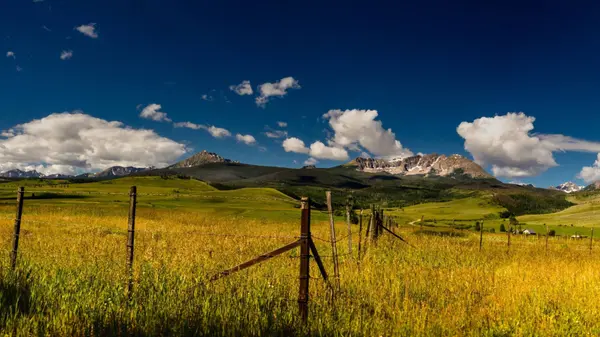
Building a Custom Home on Colorado Acreage: From Land Purchase to Move-In Quick Answer
Building a Custom Home on Colorado Acreage: From Land Purchase to Move-In
Quick Answer
Building a custom home on Colorado acreage starts long before construction. You need to find land that supports your intended use, confirm zoning and building requirements, understand water access and wastewater options, and create a realistic budget for both the property and the home. For buyers around Denver, the right approach is to evaluate the land as carefully as the house you want to build.
Why Are More Buyers Exploring Custom Homes on Colorado Acreage?
For some buyers, the goal is a home with room to breathe. For others, it is a property where horses can graze, a garden can grow, or a workshop can sit a comfortable distance from the house.
Across the Denver metro area and surrounding communities, acreage offers a different way to think about homeownership. Instead of choosing an existing floor plan in an established neighborhood, you can explore how a home, land, and outdoor space might work together.
Areas such as Elizabeth, Kiowa, Bennett, Strasburg, Castle Rock, and parts of unincorporated Douglas, Elbert, and Weld counties may appeal to buyers looking for more space. Each area has its own development patterns, land-use rules, commute considerations, and access to services.
However, buying acreage is not simply a matter of finding enough land. Two parcels with the same number of acres can have very different building potential.
A property might have a beautiful building site but challenging access, limited utility availability, drainage concerns, or restrictions on additional structures. Another parcel might look less impressive at first but offer more practical options for a home, barn, garden, or future improvements.
The goal is to understand what the land can realistically support before committing to a purchase.
Step 1: What Should You Look for When Buying Land to Build a House in Colorado?
Start with your intended lifestyle, then work backward to the property requirements.
If you want a three-bedroom home with a large garage, your needs may be relatively straightforward. If you want a home, horse facilities, fenced pastures, an arena, and space for equipment, the search becomes more involved.
Before touring properties, write down your priorities.
Consider:
- Home requirements: Desired square footage, number of bedrooms, garage space, and potential for future additions.
- Land use: Gardening, livestock, horses, recreation, or agricultural activities.
- Location: Commute times, access to schools, healthcare, shopping, and employment.
- Infrastructure: Electricity, internet, road access, water, and wastewater options.
- Long-term plans: Additional outbuildings, guest accommodations, or changes in how you use the property.
A parcel's advertised acreage does not necessarily tell you how much land is usable for your plans. Slopes, drainage areas, easements, setbacks, access routes, and required septic areas can all influence the practical building area.
For example, a buyer looking for a horse property may need enough room for a house, barn, turnout areas, manure management, and safe vehicle access. The usable layout matters as much as the total acreage.
It is also worth comparing rural and suburban living honestly. Rural properties may offer more privacy and flexibility, depending on local regulations, but they can require longer drives, more maintenance, and additional responsibility for roads, utilities, fencing, and land management.
Step 2: How Do Zoning and Land-Use Rules Affect Your Building Plans?
Zoning is one of the first things to investigate before purchasing Colorado acreage.
Zoning and other land-use regulations help determine what can be built, where it can be placed, and how a property may be used. Depending on the jurisdiction, rules may address minimum lot dimensions, building setbacks, home size, accessory structures, livestock, agricultural activities, and other uses.
Do not assume that land marketed as agricultural, rural, or suitable for horses automatically permits every activity you have in mind.
For example, a property might allow a single-family home but have separate requirements for a detached garage, barn, commercial equestrian operation, or additional dwelling. A parcel outside city limits may still be subject to county zoning, subdivision restrictions, recorded covenants, or other requirements.
Before closing, contact the planning or community development department responsible for the specific property. Ask about:
- Whether a new home is permitted on the parcel.
- Applicable setbacks, height limits, and building envelopes.
- Rules for barns, arenas, fencing, and livestock.
- Any recorded plat restrictions or applicable covenants.
- Floodplain, wildfire, drainage, or other site-specific requirements.
- Whether proposed development requires additional reviews or approvals.
Also distinguish between zoning approval and building approval. A use may be allowed under zoning but still require engineered plans, building permits, septic approval, access permits, or other authorizations.
For properties around Elizabeth, Bennett, Castle Rock, and the eastern plains, the governing authority can vary. Confirm jurisdiction rather than relying on a nearby town's rules or a listing description.
Step 3: Why Are Water Rights and Water Access So Important in Colorado Acreage?
Water deserves special attention when buying land in Colorado.
A property may have a well, a shared water system, a water tap, or another permitted water source. These arrangements are not interchangeable, and the details can influence whether a parcel supports your plans.
In rural areas, a private well may supply household water, but the applicable permit determines what uses are authorized. Do not assume a domestic well automatically permits irrigation, livestock watering, or other expanded uses.
Colorado water rights are also a separate consideration. Owning land near a creek or pond does not automatically mean you have the right to use that water. Likewise, water rights associated with a property may have specific legal limitations or historical conditions.
Before buying, investigate:
- Whether a well exists and whether its permit can be verified.
- The authorized uses and conditions of any well permit.
- Whether a new well can be permitted for the intended development.
- Whether a municipal or district water connection is available and what it costs.
- Whether separate irrigation or other water rights are included in the sale.
- Whether the available water arrangements fit your household and land-use plans.
For agricultural and horse properties, water planning can become especially important. Household consumption, animal watering, landscaping, and pasture irrigation can have different requirements.
The Colorado Division of Water Resources and the appropriate local water provider are useful starting points for verifying permits and water arrangements. For complex water-right questions, consult a qualified Colorado water attorney or other appropriate specialist.
Step 4: What Should You Know About Septic Systems, Utilities, and Property Access?
Land can be affordable to purchase but expensive to prepare for construction. Infrastructure is one of the main reasons.
Wastewater and septic systems
If municipal sewer is unavailable, you may need an onsite wastewater treatment system, commonly called a septic system.
A suitable system depends on site conditions, soil characteristics, system design, and applicable regulations. The proposed home location, well location, property boundaries, and available space can affect where a system and its replacement area can go.
Ask whether the parcel has an existing system, prior soil or site evaluations, or previous wastewater approvals. Confirm their relevance to your proposed home rather than assuming older documentation guarantees approval.
Electricity, internet, and other utilities
Determine whether electricity is already available at the intended building site or whether an extension is necessary. Ask utility providers for estimates and timelines.
Internet availability also deserves attention if you work remotely. Service advertised for a general area may not be available at the exact property address.
Depending on the location, you may also need to plan for propane, heating fuel, water storage, or other infrastructure.
Roads and legal access
Confirm that the property has legal access and that the practical route can accommodate construction equipment, emergency vehicles, and everyday travel.
A driveway may need grading, drainage work, culverts, or an access permit. If access crosses another property, review the recorded easement and understand maintenance responsibilities.
These details are worth resolving before closing because they can affect both construction costs and the day-to-day experience of living on the property.
Step 5: How Much Does It Cost to Buy Land and Build a Custom Home Near Denver?
The total cost includes much more than the land purchase and the contractor's price per square foot.
A useful budget separates the project into several categories:
- Land purchase price and closing costs.
- Surveys, site evaluations, engineering, and architectural plans.
- Excavation, grading, drainage, and foundation preparation.
- Water, wastewater, electricity, and other utility connections.
- Driveway construction and access improvements.
- Building permits, plan reviews, and applicable fees.
- Home construction, finishes, appliances, and landscaping.
- Fencing, barns, arenas, or other acreage improvements.
- Financing costs, insurance, property taxes, and temporary housing.
- A contingency for unexpected expenses.
The cost of preparing a rural parcel can vary significantly. A relatively level property with nearby utilities may present a different budget from a sloped parcel that requires substantial earthwork, a long driveway, or extensive utility extensions.
Construction pricing also depends on home design, materials, labor availability, builder selection, and site conditions. A simple home on a straightforward parcel and a highly customized home with specialized equestrian facilities are very different projects.
Rather than relying on a single regional cost-per-square-foot estimate, ask builders to identify what their proposals include and exclude. Compare site preparation, allowances, utility work, finish levels, and change-order procedures.
It is also helpful to obtain preliminary estimates from relevant contractors and utility providers before your land-purchase deadlines expire.
If financing the land and construction together, speak with a lender early. Construction financing can involve different approval requirements, draw schedules, down payments, and builder qualifications than a conventional mortgage.
Some clients like to begin here when organizing their financing: Explore pre-approval resources.
Step 6: How Do You Choose the Right Building Site on Your Acreage?
Once you have identified a parcel with potential, evaluate where the home should sit.
The most attractive spot is not always the most practical one. A high point might offer beautiful views but require extensive excavation. A flat area may appear convenient but have drainage limitations or conflict with septic requirements.
Consider these factors:
Sunlight and orientation. Think about natural light, window placement, outdoor living areas, and seasonal exposure.
Topography and drainage. Understand how water moves across the land and whether grading or drainage improvements may be necessary.
Access and construction logistics. Consider driveway placement, construction vehicle access, and the distance to utilities.
Privacy and future development. Look at neighboring properties, nearby roads, existing easements, and surrounding land uses.
Outbuildings and animals. If horses are part of your plan, consider pasture layout, barn placement, manure management, fencing, and safe separation between animal areas and everyday vehicle traffic.
Wildfire and environmental conditions. Depending on the location, evaluate vegetation, defensible-space needs, flood exposure, and other site-specific risks.
A site plan can help you see how the house, driveway, septic system, well, barn, and outdoor areas might fit together. Ask qualified professionals to review the proposed layout before treating it as feasible.
Step 7: What Is the Typical Timeline From Land Purchase to Move-In?
Every project follows a different schedule, but most involve several stages.
- Land search and due diligence. Compare parcels, verify permitted uses, investigate water and wastewater options, and assess access and utilities.
- Design and budgeting. Select a builder, develop plans, refine specifications, and align the design with your budget.
- Permits and approvals. Submit plans and obtain the necessary approvals from the relevant authorities and service providers.
- Site preparation and construction. Complete approved earthwork, foundation work, utility installation, framing, and subsequent construction phases.
- Final inspections and move-in. Complete required inspections, resolve outstanding items, and obtain the approvals or occupancy authorization required by the jurisdiction.
These stages can overlap, and permitting or design changes may create delays. Weather, contractor availability, material lead times, and site conditions can also affect the schedule.
Before purchasing land, ask your builder which milestones must be completed before construction can begin. A realistic schedule should account for due diligence, design, permitting, and construction rather than focusing only on the months spent building the house.
Step 8: What Should You Consider Before Moving From Suburban Living to Acreage?
The lifestyle can be rewarding, but it comes with responsibilities that deserve an honest look.
On acreage, you may need to maintain a longer driveway, manage snow removal, service a private well or septic system, repair fencing, control weeds, and maintain equipment. Depending on the property, you may also need to coordinate road maintenance with neighbors or an association.
Horse ownership adds another layer of planning. Feed storage, pasture rotation, manure management, shelter, fencing repairs, and access to veterinary and farrier services all influence daily life.
Think about your typical week, not just the weekend experience. How far will you drive for groceries, school, work, or medical appointments? Are you comfortable handling property maintenance yourself, or will you budget for outside help?
There is no single right answer. Everyone defines the ideal property differently, and what matters most depends on your goals, resources, and willingness to take on ongoing responsibilities.
For a starting point when comparing your options, you can explore the Wunderlich Land and Home website.
Final Thoughts: How Can You Make a More Informed Decision?
Building a custom home on Colorado acreage can give you more control over your home design and the way you use your land. The key is to make decisions in the right order.
Start with your intended lifestyle. Find land that appears to support it. Verify zoning, water, wastewater, access, utilities, and site conditions. Then build a realistic budget and timeline with qualified professionals before moving forward.
A property that looks perfect in photographs may require more preparation than expected. Another parcel may offer a more practical foundation for your plans once you understand its limitations and possibilities.
If you are comparing acreage, horse properties, or residential options around Denver, take time to investigate the details that matter to you. A thoughtful purchase is not about finding a parcel without trade-offs. It is about understanding those trade-offs well enough to decide whether the property fits your life.
If you are thinking about buying or selling, Gabrielle and Ryan Wunderlich are happy to be a resource as you explore your options. No pressure, just guidance when you need it.
Start here: https://www.yourwunderhome.com/
FAQ Section
Is it cheaper to buy acreage and build a house in Colorado than to buy an existing home?
Not necessarily. Building allows you to customize the home, but the total cost includes land, site preparation, utilities, permits, construction, and landscaping. Existing homes may already have established infrastructure, although they can require renovations or other improvements. Compare the full project budget with the cost and condition of existing properties in your preferred area.
Can I build a house and keep horses on the same Colorado property?
Potentially, but it depends on the property's zoning, applicable land-use regulations, parcel characteristics, and any recorded restrictions. Before purchasing, verify whether residential construction and your intended horse-related activities are permitted. Also evaluate fencing, shelter, water access, pasture conditions, and space for manure management.
Do I need a well and septic system to build on rural land near Denver?
Not always. Some properties have access to public or district water and sewer services. Others rely on a permitted private well and an approved onsite wastewater treatment system. Availability varies by location, so confirm service options, connection costs, well-permit requirements, and wastewater feasibility before buying.
How long does it take to build a custom home on Colorado acreage?
The timeline depends on the design, permitting process, site conditions, builder availability, and construction complexity. Land due diligence, architectural planning, utility arrangements, and approvals can add considerable time before construction begins. Ask your builder for a project-specific schedule that includes these early stages.
What should I verify before buying acreage for a custom home in Colorado?
Start by confirming that the intended home and land uses are allowed. Investigate water rights and well permits where applicable, wastewater feasibility, legal access, utilities, easements, drainage, building setbacks, and potential site-preparation costs. A survey, appropriate site evaluations, and conversations with local planning officials and qualified professionals can help you understand the property's possibilities and limitations before closing.
Categories
Recent Posts