What Should You Investigate Before Buying Rural Land With Outbuildings? Quick Answer
What Should You Investigate Before Buying Rural Land With Outbuildings?
Quick Answer:
When buying rural land with outbuildings in Colorado, look beyond the acreage, views, and existing barns or sheds. Investigate zoning, permitted land use, building permits, water rights, well and septic systems, property access, utilities, drainage, and the actual condition of every structure. The right property depends on how you plan to use the land, whether that means keeping horses, starting a small agricultural operation, storing equipment, or simply enjoying more space outside Denver.
Why Does Buying Rural Land With Outbuildings Require Extra Due Diligence?
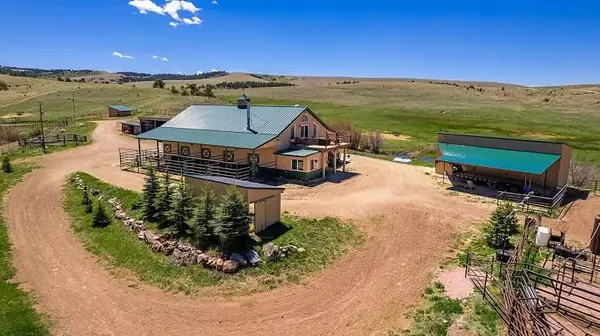
A rural property can look like everything you have been searching for. Maybe there is a barn ready for horses, a detached workshop for weekend projects, or a large equipment shed that makes the acreage feel immediately usable.
But appearances do not always tell the whole story.
When buying rural land with outbuildings, you are evaluating several connected pieces of property at once. The land itself, the structures, the utilities, and the legal permissions for using everything can affect whether the property fits your plans.
For example, a buyer looking for a horse property near Parker might find an attractive parcel with a barn, fencing, and pasture space. However, the number of horses allowed, the property's zoning, the condition of the fencing, and the availability of usable water may all influence how practical that property will be.
The same applies to rural homes near Elizabeth, Castle Rock, Bennett, or other communities surrounding the Denver metro area. Two properties with similar acreage can offer very different ownership experiences.
The goal is not to find a property without complications. It is to understand the property well enough to decide whether its opportunities and limitations align with your priorities.
What Does the Property's Zoning Allow You to Do?
Zoning is one of the first things to investigate when buying rural land in Colorado.
A listing may describe a property as agricultural, rural residential, or suitable for horses. Those descriptions are useful starting points, but they do not independently establish what you can legally do with the land.
Depending on the property's location and governing jurisdiction, zoning and land use rules may address:
- Whether horses, livestock, or other animals are permitted.
- How many animals may be kept on the property.
- Whether agricultural activities are allowed.
- Whether barns, workshops, and detached garages are permitted.
- Whether a business can operate from the property.
- Whether additional structures or a second dwelling may be possible.
- Setbacks, building height, and lot coverage requirements.
How Can You Verify Zoning Before Buying Rural Land?
Start by identifying the property's county or municipal jurisdiction. A property marketed with a Denver-area address may be governed by a county rather than a city, and requirements can vary between jurisdictions.
Contact the applicable planning or community development department. Ask for the current zoning designation, permitted uses, applicable animal limits, and any relevant overlays or land use restrictions.
If you intend to board horses, operate a small farm, build another barn, or run a home-based business, explain that specific plan. A general statement that a property is zoned agricultural may not answer your actual questions.
Also ask whether any special permits or approvals would be required.
Practical tip: If a property only works financially or practically when you can add a structure or expand your operation, verify that possibility before relying on it in your purchase decision.
Are the Existing Barns, Sheds, and Workshops Properly Permitted?
Outbuildings can add considerable practical usefulness to rural land. They can provide storage, shelter for animals, equipment space, or a dedicated workshop.
However, an existing structure is not automatically a legally permitted structure simply because it has been standing for years.
What Should You Check When Evaluating Outbuildings?
For every significant structure, ask about:
- Building permits and final inspections, where applicable.
- The structure's age and original intended use.
- Electrical installation and any associated permits.
- Plumbing, heating, or other installed systems.
- Foundation condition, roof integrity, and drainage.
- Previous additions, conversions, or repairs.
- Whether the current use complies with applicable requirements.
A shed used for equipment storage may have different requirements from a barn containing electrical systems, plumbing, or living quarters.
Pay particular attention to converted spaces. A finished room inside a barn may look like a guest suite, but that does not establish that it is approved for residential occupancy.
If records are missing, ask the relevant building department what documentation is available and whether the structure's status can be clarified.
Why Does This Matter for Future Plans?
Imagine purchasing a property because you want to convert an existing outbuilding into a workshop or additional living space. If the structure cannot legally support that use, your plans may require substantial modifications or may not be feasible.
Consider the cost of repairs and upgrades alongside the property's purchase price. A lower-priced property with several aging structures may still make sense, but the numbers should reflect the work involved.
What Condition Are the Outbuildings Really In?
Permits address one part of the picture. Physical condition is another.
A barn can appear sturdy from the driveway while concealing roof leaks, deteriorating posts, poor drainage, or electrical problems. A metal equipment shed may be functional but vulnerable to wind damage or water intrusion.
During your due diligence period, evaluate each structure based on its intended use.
For barns, look at the roof, framing, flooring, ventilation, doors, and any stalls or partitions. Check for signs of moisture, wood rot, pest activity, and uneven or damaged surfaces.
For workshops and garages, pay attention to the foundation, electrical service, lighting, outlets, insulation, and heating equipment.
For sheds and equipment buildings, inspect roof panels, fasteners, doors, drainage around the structure, and the condition of the supporting posts or foundation.
When appropriate, arrange inspections with qualified contractors or specialists familiar with the particular structure. A standard residential home inspection may not cover every issue associated with agricultural buildings or specialized equipment.
Ask for repair estimates rather than relying solely on visual impressions.
How Do Water Rights and Well Access Affect Rural Land Ownership in Colorado?
Water deserves special attention when buying rural land in Colorado.
A property may have a domestic well, irrigation infrastructure, a pond, or water rights associated with agricultural use. These are not interchangeable, and the presence of one does not automatically establish the availability of another.
What Should You Know About Wells and Water Rights?
If the property has a well, investigate the well permit, authorized uses, available records, and any applicable restrictions. Confirm whether the permitted use aligns with your plans for household needs, livestock, irrigation, or other activities.
Do not assume a domestic well permits unlimited outdoor watering, irrigation, or commercial agricultural use.
For a property with irrigation ditches or claimed irrigation rights, determine exactly what rights exist, who holds them, how they are documented, and what uses are authorized. Water rights can be legally separate from the land or subject to specific conditions.
The Colorado Division of Water Resources and the appropriate water court records can be useful starting points. Depending on the situation, you may need advice from a qualified water rights attorney or other water professional.
What About Well Testing and Water Availability?
Ask for available well records and recent water quality results. Consider appropriate water quality testing and, where relevant, a professional evaluation of well performance.
A well that supplies a household may not provide sufficient water for a larger livestock operation or extensive irrigation.
For horse owners and agricultural buyers, this is especially important. Water availability can influence daily chores, pasture management, operating costs, and the number of animals a property can realistically support.
Water rights and well permits can be technical, so verify the details rather than relying on a listing description or verbal assurance.
Is the Septic System Appropriate for the Property?
If the rural property is not connected to a municipal sewer system, its onsite wastewater treatment system deserves careful investigation.
A functioning septic system is not simply a matter of whether toilets flush during a showing.
Ask for available permits, installation records, inspection reports, pumping records, and documentation of any repairs or upgrades. The relevant county or local health department may maintain records and can explain the applicable requirements.
Depending on the property and system, an evaluation may include the tank, distribution components, drain field, and other relevant parts.
You should also consider the system's approved capacity and whether it supports the existing home and any proposed additions.
For example, if you plan to build a guesthouse, add living space, or convert an outbuilding into an occupied structure, the existing septic system may not be approved or adequately sized for that use.
Do not assume that additional acreage automatically means there is room for another septic system. Soil conditions, setbacks, groundwater, existing infrastructure, and local requirements can all influence feasibility.
If the property has no documented septic system or its condition is uncertain, make the necessary investigation part of your purchase planning.
Does the Property Have Reliable Legal Access and Usable Roads?
Access is easy to overlook when a property has a beautiful driveway and a welcoming entrance.
But rural land ownership requires understanding not only how you reach the property today, but also your legal rights and practical ability to continue using that route.
What Should You Investigate About Property Access?
Confirm whether access is provided by a public road, a private road, or an easement. If an easement is involved, review the recorded documents to understand its location, permitted uses, maintenance responsibilities, and any restrictions.
A visible road does not necessarily establish a legally enforceable right to use it.
Also consider the condition of the driveway and internal roads. Ask how they handle snow, heavy rain, and seasonal changes. Look for steep grades, soft soil, drainage issues, and areas that could be difficult for trailers or agricultural equipment.
For horse properties, access for a horse trailer, hay delivery, veterinary services, and emergency vehicles may be particularly important.
If a shared private road serves several owners, clarify who maintains it and how expenses are divided. A recorded road maintenance agreement, where applicable, can help explain those responsibilities.
For buyers considering acreage farther from Denver, travel time is only one part of accessibility. Year-round road conditions and the ability to move equipment safely may matter just as much.
What Utilities and Infrastructure Are Available on the Land?
Rural properties do not always have the same infrastructure as suburban homes.
Before purchasing, determine how the property receives electricity, internet, water, and wastewater services. If natural gas is unavailable, ask about the existing heating system and fuel arrangements.
Check These Practical Details
Electricity: Confirm the service capacity, condition of existing panels, and whether the property can accommodate planned equipment or additional buildings. Upgrades may require utility coordination and additional expense.
Internet and cell service: Verify coverage at the actual property. Service can vary significantly between locations, even within the same general community.
Heating and fuel: Understand whether the home uses electricity, propane, natural gas, wood, or another source. Ask about tanks, equipment condition, and service arrangements.
Fencing and gates: Check boundaries, gate access, fence condition, and suitability for the animals you intend to keep. Existing fencing may need modification depending on the species and management plan.
Drainage and grading: Observe how water moves around the home, barns, and access roads. Poor drainage can affect foundations, paddocks, driveways, and equipment storage.
If you plan to add a shop, arena, additional barn, or irrigation system, investigate utility capacity and installation costs before assuming those improvements are straightforward.
Is the Land Suitable for Horses or Agricultural Use?
Acreage alone does not tell you how much usable land a property offers.
A parcel may contain several acres, but some areas could be steep, rocky, poorly drained, heavily treed, or restricted by easements and setbacks.
For horse owners, evaluate pasture condition, fencing, shelter, water access, manure management, trailer access, and space for turnout. If you plan to ride regularly, consider whether an existing arena is functional and whether there is room for one if needed.
For agricultural buyers, look at soil conditions, slope, growing conditions, drainage, irrigation availability, and equipment access. The feasibility of growing crops or maintaining productive pasture depends on more than parcel size.
In the Denver region, conditions can differ substantially between the plains east of the metro area and properties closer to the foothills. Elevation, exposure, soil, precipitation, and water availability can all influence land use.
You should also investigate any applicable conservation easements, mineral rights, ditch easements, or other recorded restrictions that could affect how the land is used.
Ask yourself: Does the property support the activities you want to enjoy now, and are your future plans reasonably achievable under the applicable restrictions?
If you want to explore available properties while refining your priorities, you can start here: https://www.yourwunderhome.com/listing
How Should You Evaluate the Financial Side of Rural Property Ownership?
The purchase price is only one part of the financial picture.
Rural properties with multiple structures may involve expenses that are less common in a typical suburban home. These can include private road maintenance, well servicing, septic maintenance, fencing repairs, barn upkeep, equipment storage, snow removal, and specialized insurance.
Build a realistic budget that accounts for both immediate repairs and recurring costs.
It can also help to separate essential repairs from optional improvements. Repairing a failing roof may be a near-term priority, while adding a riding arena might be a longer-term goal.
If you are financing the purchase, ask your lender how the property type, acreage, outbuildings, water arrangements, and intended use may affect underwriting or appraisal requirements. Some properties may require specialized financing or additional documentation.
For investors, evaluate the likely demand for the property's intended use rather than assuming acreage or outbuildings will automatically increase rental income or resale value.
If financing is part of your planning, some buyers like to begin here: https://www.yourwunderhome.com/get-pre-approved
The objective is to understand the full cost of ownership before deciding whether the property makes financial sense for you.
What Should You Prioritize During Your Due Diligence Period?
Once you identify a property you are seriously considering, organize your investigation around the questions most likely to affect your decision.
Start with the property's legal use, water arrangements, access rights, and existing structures. These issues can influence whether your intended use is possible at all.
Then investigate the condition of the home and outbuildings, the well and septic systems, utilities, drainage, and estimated repair costs.
A practical due diligence checklist includes:
- Confirm zoning and permitted uses with the appropriate jurisdiction.
- Request available building permits and structure records.
- Investigate well permits, water quality, and applicable water rights.
- Arrange appropriate septic system evaluations.
- Review recorded easements and legal access.
- Inspect barns, sheds, workshops, and other significant structures.
- Verify utilities and internet availability.
- Evaluate usable acreage, fencing, drainage, and land conditions.
- Obtain estimates for necessary repairs and planned improvements.
- Review applicable insurance, financing, and ownership costs.
Keep track of unanswered questions and identify which ones need professional guidance. Your real estate agent can help coordinate information gathering and communicate with the seller, while attorneys, inspectors, engineers, contractors, and water professionals can address specialized questions within their areas of expertise.
For additional perspective on working with Gabrielle and Ryan Wunderlich, you can read client experiences here: https://www.yourwunderhome.com/reviews
Final Thoughts: How Do You Know Whether Rural Land Is Right for You?
Buying rural land with outbuildings can open the door to a different way of living. It may offer space for horses, room for projects, opportunities for agricultural activities, or simply a little more distance from the pace of suburban life.
The important part is understanding what you are purchasing, not just what the property looks like during a showing.
A property with an older barn, limited water availability, or a long gravel driveway is not automatically the wrong choice. Those details may be manageable for one buyer and deal-breakers for another. Everyone defines their ideal property differently.
What matters most depends on your goals, your budget, and the amount of time and maintenance you are comfortable taking on.
If you are thinking about buying or selling rural land, a horse property, or a home in the Denver area, Gabrielle and Ryan Wunderlich are happy to be a resource as you explore your options.
Start with the information that matters to you, ask questions, and take the time to make a confident decision. You can learn more here: https://www.yourwunderhome.com/
No pressure, just guidance when you need it.
Frequently Asked Questions About Buying Rural Land With Outbuildings in Colorado
What should I inspect before buying rural land with outbuildings in Colorado?
Inspect the property's zoning, permitted land uses, building permits, barns and sheds, well and septic systems, legal access, utilities, drainage, and recorded easements. If you plan to keep horses or operate an agricultural business, verify that the property supports those specific activities.
Can I use an existing barn or shed for any purpose I want?
No. The permitted use depends on the property's zoning, applicable building requirements, the structure's approvals, and other restrictions. A building used for storage may not be approved for residential occupancy, commercial activity, or livestock housing. Confirm the intended use with the relevant local authorities before purchasing.
How many horses can I keep on rural land near Denver?
The number of horses permitted depends on the property's jurisdiction, zoning, applicable animal regulations, and other restrictions. Usable acreage, pasture conditions, water availability, manure management, and fencing also affect practical capacity. Contact the relevant planning department to verify the rules for the specific parcel.
Do I need to check water rights when buying rural property in Colorado?
Yes, particularly if you intend to irrigate pasture, grow crops, or use water beyond ordinary household needs. Investigate the property's well permit, authorized uses, available water records, and any associated water rights. Do not assume that a domestic well or irrigation ditch provides unrestricted access to water for every intended use.
Is buying rural land with outbuildings more expensive to maintain than a suburban property?
It can be, depending on the property's condition, infrastructure, acreage, and intended use. Owners may need to budget for barn repairs, fencing, private roads, well and septic maintenance, snow removal, equipment, and specialized insurance. Comparing estimated annual expenses alongside the purchase price can help you decide whether the property fits your budget.
Categories
Recent Posts