What Landowners Should Know About Property Boundaries in Colorado Quick Answer
What Landowners Should Know About Property Boundaries in Colorado
Quick Answer
Property boundaries in Colorado are generally established through legal property descriptions, recorded documents, survey evidence, and the location of recognized property corners. Existing fences, landscaping, online maps, and county assessor records can provide useful clues, but they do not necessarily establish the exact legal boundary. If you plan to build a fence, buy acreage, install improvements, or resolve a disagreement with a neighbor, consider having a Colorado-licensed professional land surveyor evaluate the property.
Why Do Property Boundaries Matter More Than You Might Think?
Property lines determine the extent of the land you own, but they can also affect how you use that land.
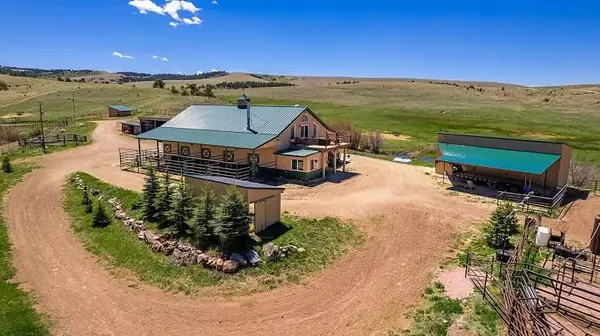
On a typical suburban lot in the Denver metro area, a boundary question might involve a fence, retaining wall, driveway, or tree. On a rural property, the same question could affect pasture access, irrigation infrastructure, livestock containment, private roads, or the location of a future barn.
Imagine purchasing five acres outside Elizabeth with plans to build a horse arena. The open field looks large enough, and an existing fence seems to provide a clear perimeter. After closing, you discover that the fence does not align with the boundary shown by a survey. The usable space for the arena may be different from what you expected.
That does not automatically mean the property is a poor fit. It means the information matters before you commit to a particular use.
Understanding boundaries can help you:
- Plan fences, barns, arenas, driveways, and other improvements.
- Identify possible encroachments before buying or selling.
- Understand where neighboring access rights may apply.
- Evaluate whether your intended use fits the property's physical and legal constraints.
- Reduce the chance of an avoidable disagreement with an adjacent landowner.
The goal is not to become an expert in surveying. It is to know when a closer look is worthwhile.
How Can You Find the Exact Property Boundaries of Your Land in Colorado?
Several sources can help you understand where your property begins and ends. They serve different purposes, so it helps to know what each one can tell you.
- Review your deed and legal property description
Your deed generally identifies the property being conveyed through a legal description. Depending on the parcel, that description may refer to a recorded subdivision plat, lot and block numbers, or a metes-and-bounds description using distances, directions, and reference points.
Start by locating your closing documents and recorded deed. If the description is difficult to interpret, a title professional or land surveyor can help explain what additional records may be needed.
- Check recorded plats and county records
For properties in Denver and surrounding counties, recorded subdivision plats and other land records may help clarify the parcel's layout.
County assessor websites can also provide parcel maps and ownership-related information. These maps are useful for initial research, especially when comparing nearby parcels or trying to understand the general shape of a property.
However, assessor maps are typically intended for assessment and reference purposes. They should not be treated as a substitute for a boundary survey.
- Look for existing survey documents
A previous owner may have obtained a survey, and a seller might have copies of older plats or related records.
These documents can be a useful starting point, but check what type of work was completed, when it was performed, and whether it addresses the questions you have today. An improvement location certificate, for example, is not the same as a boundary survey.
- Hire a Colorado-licensed professional land surveyor when needed
A professional land surveyor can research relevant records, evaluate evidence in the field, locate or establish property corners as appropriate, and prepare the type of survey needed for your situation.
If you are uncertain about a fence location, planning substantial improvements, or dealing with conflicting boundary evidence, professional guidance is generally more reliable than trying to measure the property yourself.
Is a Fence the Same Thing as a Property Line?
Not necessarily. A fence may follow the legal boundary, but it can also be set back from the line, extend onto a neighboring parcel, or reflect an older understanding of where the boundary was located.
This matters throughout Colorado, where properties may have been divided, improved, or fenced many years ago.
For example, a rural fence might have been installed to keep horses away from a drainage area rather than to mark the precise edge of ownership. A suburban fence might have been placed inside the property line to leave room for maintenance.
Neither situation automatically means something is wrong.
The important distinction is that a physical fence is evidence to investigate, not definitive proof of ownership. If you plan to replace a fence, move a gate, or install a new enclosure, verify the boundary before beginning work.
Colorado also has specific statutes addressing lawful fences, livestock, and certain shared fencing responsibilities. Those rules can matter when adjoining landowners maintain a partition fence, particularly on agricultural properties.
For background, Colorado State University Extension provides a helpful overview of fencing and livestock considerations.
What Are Colorado's Fence Laws for Rural and Horse Properties?
Fence questions can become more complicated when livestock is involved. Colorado's fence laws address matters such as lawful fences, livestock, and responsibilities involving certain partition fences.
Under Colorado's fencing statutes, adjoining owners may have shared responsibilities for qualifying partition fences. The details depend on the applicable law and circumstances, so do not assume that every fence must be paid for equally or that every fence must meet the same standard.
For horse property owners, practical questions include:
- Is the fence designed for the animals you intend to keep?
- Does it sit on the actual boundary or somewhere inside it?
- Who is responsible for maintenance under the circumstances?
- Are gates, access points, and shared fence sections documented or understood?
- Do local requirements or recorded agreements affect what you can install?
A fence that works well for a small backyard may not be suitable for horses, and a fence that contains livestock may still raise a boundary question.
Before replacing a long stretch of fencing, discuss the proposed location with your neighbor when appropriate and verify the line if there is any uncertainty. If the disagreement involves legal responsibility, livestock liability, or disputed ownership, consult a Colorado attorney familiar with property law.
How Do Easements Affect Property Boundaries and Land Use?
An easement gives someone a defined right to use another person's property for a particular purpose, subject to the terms and legal basis of that right. It does not ordinarily transfer ownership of the land itself.
Easements are especially important for rural Colorado properties, where roads, utilities, drainage, and irrigation infrastructure may cross parcel lines.
Common examples include:
- Access easements: Allowing travel across land to reach another parcel.
- Utility easements: Providing rights for utility installation, access, or maintenance.
- Drainage easements: Addressing the movement or management of water.
- Irrigation-related rights or easements: Supporting certain water delivery or infrastructure arrangements.
Consider a property outside Brighton with a gravel road crossing one corner of the acreage. You may own the ground beneath the road, but another property owner could have a recorded right to use that route.
That distinction can affect privacy, maintenance expectations, fencing, and future construction plans.
When reviewing a property, examine the title commitment, recorded easement documents, and relevant survey information. Ask how any identified easement could affect your intended use. A survey may show recorded or apparent easements, but the scope of the survey and the records reviewed matter.
Remember that water rights and irrigation rights can involve separate legal questions. Owning land near a ditch or pond does not, by itself, establish ownership of the water or a right to use it.
What Should Buyers Check Before Purchasing Acreage or Horse Property?
A property can look ideal during a showing and still require additional research before you know how well it fits your plans.
For buyers considering acreage around Elizabeth, Kiowa, Castle Rock, or other communities on the outskirts of Denver, boundary research should be part of a broader property review.
Confirm the acreage and legal description
Compare the listing information with available legal documents and survey records. If the advertised acreage is important to your plans, ask what supports that figure and whether a new survey is appropriate.
A stated acreage figure does not necessarily mean every portion is equally usable.
Check access and road rights
Determine how you will reach the property and whether access depends on a public road, a private road, or an easement across someone else's land.
For horse owners, access can matter when transporting trailers, bringing in hay, or accommodating veterinary and emergency services.
Review zoning and permitted uses
Property boundaries tell you where the land is. Zoning and other land-use rules help determine what you may be allowed to do with it.
Before assuming you can build a barn, operate a boarding facility, add a dwelling, or divide a parcel, confirm the applicable county or municipal requirements. Rules can differ significantly between incorporated communities and unincorporated areas.
Evaluate improvements and neighboring uses
Look at fences, outbuildings, driveways, irrigation features, and other improvements near the apparent property line. Ask whether there are known disputes or possible encroachments.
If an improvement appears close to a boundary, professional review may help clarify the situation before closing.
Build enough time into your due diligence
Survey work, document review, and discussions with local authorities can take time. If boundary certainty is important to your purchase, address the issue early and understand the deadlines in your contract.
If you want to explore available properties while keeping these questions in mind, you can start here: Browse properties with Your Wunder Home.
What Should Sellers Do About Boundary Questions Before Listing?
Sellers do not always need a new survey before putting a property on the market. Whether one makes sense depends on the property's history, the available records, the planned marketing, and any known concerns.
A little preparation can make the transaction more straightforward.
Gather existing records. Collect your deed, prior surveys, recorded easement documents, and information about any past boundary discussions.
Identify visible uncertainties. If a fence crosses an area you have always treated as your property line, or a neighbor uses part of the driveway, avoid making assumptions about ownership or rights.
Be accurate about acreage and improvements. If the property includes pasture, a barn, an arena, or irrigation infrastructure, distinguish what exists physically from what has been verified legally.
Consider professional advice early. A surveyor may help clarify physical boundaries, while a real estate attorney can advise on legal disputes or ownership questions.
For sellers of rural or equestrian properties, clear documentation can help buyers understand what they are purchasing. It can also help everyone identify questions that need attention before they become urgent.
If you are preparing for a sale and want to understand the process, some clients like to begin here: Explore the selling process.
What Should You Do If a Neighbor Disputes Your Property Line?
Start by gathering information rather than moving a fence or escalating the disagreement.
A practical first step is to locate your deed, prior survey documents, recorded plats, and any relevant easement records. Take notes about the specific area in question and keep copies of communications.
If the documents do not resolve the issue, consider hiring a professional land surveyor to evaluate the boundary evidence.
Avoid removing a fence, blocking an established access route, or making substantial changes to the disputed area before understanding your rights. Even a disagreement that seems minor can involve long-standing use, recorded rights, or other legal issues.
Colorado law also recognizes certain boundary-related claims involving long-standing use or mutual recognition of a boundary. For example, Colorado Revised Statutes section 38-44-109 addresses boundaries established through court proceedings and certain boundaries recognized and acquiesced in for twenty years. Adverse possession is a separate legal doctrine with its own requirements.
These rules are fact-specific. The existence of an old fence does not automatically mean either neighbor owns the land on the other side of it.
If ownership, access rights, or liability is disputed, a Colorado real estate attorney can help you evaluate the legal options. A surveyor can assist with the technical question of where the boundary evidence places the line.
The best next step depends on the documents, the property's history, and what each party is claiming.
A Practical Property Boundary Checklist for Colorado Landowners
Before buying, selling, building, or changing a fence, work through these questions:
- Do I have the deed and legal property description?
- Have I reviewed available plats, surveys, and recorded easements?
- Am I relying on an assessor map or fence as though it establishes the legal boundary?
- Could a boundary affect my plans for a barn, arena, driveway, or pasture?
- Do I understand any shared access or fencing arrangements?
- Have I checked zoning and applicable land-use requirements?
- Would a professional boundary survey help answer an important unresolved question?
- Do I need advice from a Colorado real estate attorney about a disagreement or recorded right?
You do not necessarily need to complete every step for every property. The checklist helps you identify what matters for your situation and where additional information may be useful.
Final Thoughts: Know Your Land Before Making Your Next Move
Property boundaries are easy to overlook when a property appears straightforward. But whether you own a Denver-area home with a shared fence, several acres near Elizabeth, or a horse property with pasture and private access, knowing what you own and how you can use it can make planning easier.
Start with the documents you have. Identify the questions that matter to your goals, and bring in a surveyor, title professional, local planning department, or attorney when the situation calls for more specialized guidance.
For some owners, reviewing an existing survey will be enough to move forward confidently. Others may need additional research before building, fencing, or purchasing land. Everyone's priorities are different, and the right next step depends on the property and your plans for it.
Gabrielle and Ryan Wunderlich believe that informed real estate decisions begin with good questions and a clear understanding of the details that matter to you.
If you're thinking about buying or selling a home, acreage, or horse property in the Denver area, we're happy to be a resource. You can learn more here: Your Wunder Home.
No pressure, just guidance when you need it.
FAQ About Property Boundaries in Colorado
How do I find the exact property boundaries of my land in Colorado?
Start with your deed, legal property description, recorded plats, and any existing survey documents. County assessor maps can help you locate the parcel, but they are not definitive proof of the legal boundary. If you need to establish the line for fencing, construction, or a dispute, consider hiring a Colorado-licensed professional land surveyor.
Do I need a property survey before buying rural or horse property in Colorado?
Not every purchase requires a new survey, but it may be worth considering when boundaries are uncertain, acreage is central to your plans, or fences and improvements sit near property lines. A survey can help clarify the parcel's boundaries and identify certain potential encroachments. The appropriate survey depends on the questions you need answered, so discuss the scope with a qualified surveyor.
Does an existing fence establish the legal property line in Colorado?
No, not necessarily. A fence may follow the boundary, but it could also be set back or cross the legal line. Long-standing boundary arrangements can have legal significance in some circumstances, so do not assume that a fence proves ownership or that moving it is automatically appropriate. Verify the boundary and seek legal advice if ownership is disputed.
Who is responsible for maintaining a shared fence in Colorado?
Responsibility can depend on Colorado's fencing statutes, the type and location of the fence, applicable agreements, and the circumstances. Certain partition fences between adjoining landowners are subject to statutory requirements. Before requesting payment or arranging repairs, review the applicable rules and consider speaking with a Colorado attorney if the responsibility is unclear.
Can my neighbor use part of my property because they have done so for years?
Long-term use does not automatically establish ownership or a right to continue using someone else's land. However, Colorado law recognizes certain claims involving adverse possession, easements, and boundaries mutually recognized over time. The requirements differ by legal doctrine and depend on the facts. If a neighbor's use raises concerns about access or ownership, consult a Colorado real estate attorney before taking action.
Categories
Recent Posts