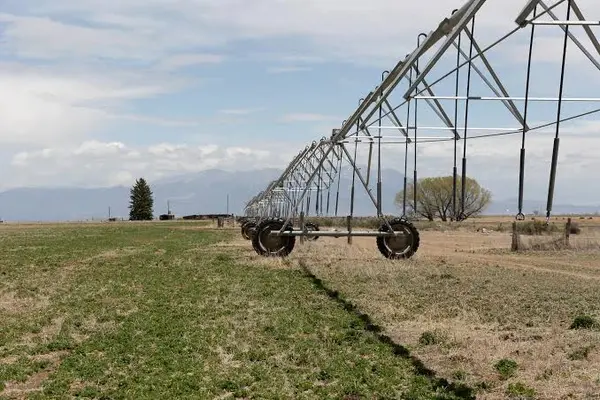
Colorado Homes With Acreage: The Questions You Should Ask Before Falling in Love With the Property
Quick Answer: Before buying a home with acreage in Colorado, look beyond the house and evaluate how the land can actually be used. Ask about zoning, water rights, well and septic systems, access, utilities, drainage, property boundaries, and any restrictions on livestock, horses, or future improvements. The right property depends on your lifestyle, budget, and long-term plans, not simply the number of acres on the listing.
Why Do Colorado Homes With Acreage Require a Different Kind of Due Diligence?
There is something appealing about owning a home with room to spread out. Maybe you picture horses grazing in the pasture, a garden behind the house, a workshop for weekend projects, or simply a little more privacy from the neighbors.
For buyers around Denver, that lifestyle can be found in communities such as Elizabeth, Bennett, Strasburg, Kiowa, Franktown, and parts of Parker and Castle Rock. Each area offers a different combination of property sizes, commuting options, infrastructure, and rural character.
But acreage changes the buying process.
With a typical suburban home, buyers often focus on the house, neighborhood, and comparable sales. With rural property, the land itself can introduce questions that are just as important as the condition of the home.
A five-acre property with usable pasture, dependable water, and suitable access may serve your plans differently than a five-acre property with steep slopes, drainage challenges, or restrictions on how you can use it.
The goal is not to find a property without compromises. It is to understand those compromises before you commit.
What Can You Legally Do With the Land?
One of the first questions to ask is whether the property allows the activities you have in mind.
A listing might describe a property as a horse property, hobby farm, or agricultural parcel. Those descriptions can help communicate its character, but they do not automatically establish which uses are legally permitted.
How Does Zoning Affect Colorado Homes With Acreage?
Zoning rules vary by county, municipality, and sometimes by the specific parcel. A property outside Denver city limits may be subject to county regulations, municipal rules, or other applicable land use requirements.
Depending on the location, you may need to investigate:
- Whether horses, chickens, goats, or other livestock are permitted.
- How many animals may be kept on the property.
- Whether barns, detached garages, arenas, or workshops are allowed.
- Setbacks from property lines, roads, and neighboring uses.
- Whether a second dwelling or accessory dwelling unit is permitted.
- Restrictions on commercial agricultural activities or boarding horses.
For example, a buyer might find a property with an existing barn and assume they can add a riding arena and board horses for other owners. Those are separate questions. Existing improvements do not necessarily establish permission for every future use.
Ask the relevant planning or zoning department to confirm the property's zoning designation, applicable use standards, and any required permits in writing when possible.
Also check for recorded covenants, conditions, and restrictions, commonly called CC&Rs, and any applicable HOA rules. These can impose additional limits beyond zoning.
Practical tip: Write down your intended uses before touring properties. Keeping two horses, operating a boarding business, and growing produce for personal use can involve very different requirements.
Does the property have the water you actually need?
Water deserves special attention when buying land in Colorado.
A property may have a well, irrigation infrastructure, a pond, or access to a ditch, but these features do not automatically mean you have unlimited rights to use the water.
What Is the Difference Between a Well and Water Rights?
A well provides access to groundwater under the terms of the applicable permit and legal requirements. A well permit may restrict the type of use, the number of dwellings served, or other activities.
For example, some domestic well permits allow household use and limited watering of animals or gardens, while others have different conditions. You should review the actual permit rather than assume what is allowed.
Water rights are a separate legal matter. They can govern the use of surface water or groundwater under Colorado's water law framework. Rights may have specific priorities, limitations, and conditions, and they may not automatically transfer with a property in the way a buyer expects.
If you plan to irrigate pasture, grow crops, maintain a large garden, or support livestock, ask:
- Is the property served by a well, a municipal system, or another source?
- What does the well permit?
- Is the well production adequate for the intended use?
- Are there documented water rights, shares, or ditch company interests?
- Are there limitations on irrigation or outdoor watering?
- What maintenance, testing, or water quality records are available?
For larger acreage, ask whether the property's existing water arrangements support your intended agricultural or equestrian use.
Water availability and legal authorization are not interchangeable. A qualified water attorney or other appropriate professional can help evaluate complex water rights questions.
Is the Land Suitable for Horses, Livestock, or Agriculture?
Acreage is only one part of evaluating a rural property. The quality, layout, and usability of the land can matter just as much.
A property with ten acres does not necessarily offer ten usable acres. Some portions may be wooded, steep, rocky, seasonally wet, or unsuitable for grazing or building.
What Should You Look for in a Colorado Horse Property?
If horses are part of your plans, look at the entire setup rather than focusing on the barn or riding arena.
Consider:
- Pasture and forage: Is there established grass? How does the land hold up during dry periods?
- Fencing: Is the fencing appropriate for your animals, and will it require repairs or replacement?
- Shelter: Are stalls, run-in shelters, and turnout areas suitable for your intended use?
- Water access: Are water sources available where animals will need them?
- Manure management: Is there a practical place to store or manage manure in accordance with applicable requirements?
- Trailer access: Can a horse trailer safely enter, turn around, and exit?
- Mud and drainage: Do gates, paddocks, and high-traffic areas become difficult to use during wet weather?
- Feed and hay storage: Is there enough appropriate space to store supplies?
There is no single acreage number that works for every horse owner. The amount of land needed depends on stocking levels, pasture productivity, feeding practices, local requirements, and how much turnout space you want.
A small acreage property may work well for some owners who purchase hay and manage turnout carefully. Someone planning to support several horses primarily on pasture may need a different setup.
Colorado's dry climate also matters. Pasture productivity can vary with rainfall, soil conditions, irrigation access, and seasonal weather. Do not assume that existing grass will provide enough forage year-round.
For agricultural buyers, soil conditions, growing season, irrigation, equipment access, and the intended crop or livestock operation should all be part of the evaluation.
What Should You Know About Wells, Septic Systems, and Utilities?
Some properties outside established neighborhoods rely on private infrastructure. These systems can provide flexibility, but buyers should understand their condition, capacity, and maintenance requirements.
Has the Septic System Been Inspected and Approved?
If the property uses a septic system, request available permits, inspection records, maintenance history, and information about the system's design capacity.
Ask whether the system is appropriately sized for the existing home and whether proposed additions could affect its suitability. Adding a bedroom, creating another living space, or building an accessory dwelling may require further review.
A septic professional should evaluate the system, and the relevant county health department can clarify applicable requirements.
Also investigate the location of the septic tank, leach field, and any replacement area. These locations may affect where you can build, plant trees, install fencing, or expand other improvements.
Are Electricity, Internet, and Road Access Reliable?
A property can feel close to Denver on a map but function very differently from a home in a developed subdivision.
Before purchasing, investigate:
- Whether electrical service is available and sufficient for your needs.
- The availability of reliable internet and mobile coverage.
- Whether roads are publicly maintained or privately maintained.
- Who is responsible for snow removal and road repairs.
- Whether an access easement is recorded and legally adequate.
- Whether outbuildings have power, water, or heating where needed.
If you plan to operate a home office, use electric equipment in a workshop, or run water systems for livestock, confirm that the existing infrastructure can support those activities.
For properties with private roads or shared driveways, review maintenance agreements and understand who pays for repairs.
Are There Easements, Property Boundaries, or Other Restrictions?
The physical appearance of a property does not always tell the whole story about ownership and use.
A driveway might cross another parcel. A utility company may have an easement through the property. A neighboring landowner may have documented access rights. Fences may not follow the actual property lines.
Why Should You Review a Survey and Title Documents?
Ask for the available survey, title commitment, recorded easements, and other relevant property documents.
A survey can help identify boundaries and the location of improvements, although the type and scope of survey matter. A title commitment can identify recorded interests and exceptions that may affect ownership or use.
These documents can help answer practical questions:
- Does the fence appear to follow the legal boundary?
- Is there a recorded right of access to the property?
- Can you build where you want to place a barn or arena?
- Are there utility or drainage easements across the land?
- Are there conservation easements or other recorded restrictions?
- Are there shared facilities or maintenance obligations?
Conservation easements deserve particular attention if you are considering a large rural property. Depending on their terms, they may restrict subdivision, construction, or certain land uses.
If something is unclear, ask the title company, surveyor, real estate professional, or a real estate attorney to help identify the right next step.
How Does Rural Living Compare With Suburban Living Near Denver?
The choice between rural and suburban living is personal. Neither is automatically better. What matters most depends on how you want to spend your time and what responsibilities you are comfortable taking on.
What Changes When You Own More Land?
Rural ownership can offer greater space, privacy, and opportunities for outdoor activities. It can also introduce additional work and expenses.
You may need to maintain longer driveways, manage snow removal, repair fences, service private systems, maintain pasture, or coordinate contractors who cover a larger service area.
Think about your normal week, not just the ideal weekend.
If you commute into Denver, calculate your drive during the hours you would actually travel. Consider access to groceries, schools, veterinary care, medical services, and other destinations you visit regularly.
A property near Parker or Castle Rock may offer a different balance of services and open space than a property farther east near Bennett or Strasburg. Conditions vary by specific address, so compare actual routes and available services rather than relying only on community names.
It is also worth considering how your needs may change. A property that works for two adults today might need different access, maintenance arrangements, or living space if your household grows or your work situation changes.
What Will It Really Cost to Own the Property?
The purchase price is only one part of the financial picture.
Homes with acreage may involve expenses that are less common in suburban neighborhoods. Some are predictable, while others depend on the condition of existing infrastructure and how you intend to use the land.
Which Costs Should You Estimate Before Making an Offer?
Build a realistic budget that accounts for:
- Property taxes and insurance.
- Well testing, septic inspections, and system maintenance.
- Fencing, gates, barns, and other outbuilding repairs.
- Hay, feed, veterinary care, and animal supplies, if applicable.
- Tractor, mower, and other equipment ownership or rental.
- Road maintenance, snow removal, and driveway repairs.
- Irrigation expenses and pasture management.
- Utility upgrades, internet installation, or backup power.
- Planned improvements and any required permits.
Insurance availability and coverage can vary depending on location, property characteristics, and intended uses. If you keep horses, operate an agricultural business, or plan to board animals, discuss those activities with an insurance professional before closing.
You should also understand how the property is assessed for property tax purposes. Agricultural classification or special valuation, where applicable, depends on the relevant legal requirements and actual circumstances. Do not assume that acreage alone qualifies a property for agricultural tax treatment.
A useful exercise is to estimate both the immediate costs and the annual operating costs. That can make it easier to compare a property that needs significant work with one that is more ready for your intended lifestyle.
What Should You Inspect Before Closing on a Home With Acreage?
A traditional home inspection is important, but it may not cover every concern associated with a rural property.
Depending on the property, consider additional evaluations from qualified professionals.
Which Specialists Might You Need?
Your due diligence may include:
- A home inspector for the house and visible systems.
- A well professional for well condition, production, and testing.
- A septic professional for the wastewater system.
- A surveyor for boundary or improvement questions.
- A structural professional for barns or other significant structures.
- A drainage or soils professional where site conditions warrant it.
- A water rights attorney for complicated water arrangements.
- The appropriate planning department for zoning and land use questions.
Not every property requires every specialist. The right inspections depend on the land, existing improvements, and your plans.
Review your contract deadlines carefully and arrange inspections early enough to evaluate the findings. Your options will depend on the purchase contract and applicable requirements.
For buyers still exploring possibilities, you can browse available properties here: https://www.yourwunderhome.com/listing
As you compare listings, keep notes on what each property offers, what needs verification, and which questions remain unanswered.
How Can You Decide Whether an Acreage Property Fits Your Long-Term Plans?
Before you make an offer, take a step back and evaluate the property against your priorities.
Start with three lists.
Your must-haves: These might include space for two horses, a permitted workshop, a specific commute, or a well-documented water arrangement.
Your preferences: These could include mountain views, mature trees, an existing arena, or proximity to a particular community.
Your acceptable trade-offs: You might be willing to renovate a barn if the property has suitable access, or take on more pasture maintenance in exchange for additional privacy.
This exercise helps separate features that photograph well from features that genuinely support your daily life.
It can also make conversations with your real estate agent more productive. Rather than searching for acreage alone, you can evaluate properties based on the uses, infrastructure, and responsibilities that matter to you.
Everyone defines the right property differently. The goal is to understand what you are buying, what it will take to maintain it, and whether it fits the life you want to build there.
If you want to explore your options or talk through questions about land and rural living, you can start here: https://www.yourwunderhome.com/
Final Thoughts: Look Beyond the Acreage
Colorado homes with acreage can offer opportunities for a different kind of lifestyle, from keeping horses and growing a garden to enjoying more space and privacy. But the number of acres is only the starting point.
Water, zoning, access, infrastructure, land usability, and long-term maintenance all help determine whether a property fits your goals.
Taking time to investigate these details can help you make a more informed decision and avoid assumptions that become expensive surprises later.
Gabrielle and Ryan Wunderlich believe that buying real estate should start with understanding your options, not feeling pressured to make a decision.
If you are thinking about buying or selling a home with acreage, a horse property, or another Colorado property, we are happy to be a resource. You can learn more or reach out here: https://www.yourwunderhome.com/
No pressure, just guidance when you need it.
Frequently Asked Questions About Buying Colorado Homes With Acreage
What should I check before buying a home with acreage in Colorado?
Review zoning, permitted land uses, water rights and well permits, septic capacity, property boundaries, easements, road access, utilities, drainage, and the condition of existing structures. If you plan to keep horses or farm the land, confirm that your intended activities are permitted and that the property has suitable infrastructure.
How much acreage do I need for horses in Colorado?
There is no single acreage requirement that works for every horse owner. The amount of land you need depends on local regulations, pasture quality, the number of horses, feeding practices, turnout arrangements, and your management plan. Confirm local requirements and assess whether the property can support your intended setup.
Can I build a barn or another home on my Colorado acreage?
Possibly, but permission depends on zoning, setbacks, building requirements, access, utilities, septic capacity, recorded restrictions, and other applicable rules. Check with the relevant county or municipal planning department before assuming an improvement can be built.
Does a private well mean I can irrigate my pasture?
Not necessarily. A well permit defines authorized uses and may contain specific limitations. Irrigation and other water uses can involve additional legal requirements or separate water rights. Review the actual permit and consult an appropriate water professional if you need clarification.
Are homes with acreage near Denver more expensive to maintain?
They can have additional costs compared with some suburban homes, particularly when they include private wells, septic systems, long driveways, fencing, barns, or pasture. Actual expenses depend on the property's condition, infrastructure, location, and intended use. Estimating both annual operating costs and upcoming repairs can help you compare options more realistically.
Categories
Recent Posts