Farm-to-Table Dreams vs. Reality: What It Takes to Grow Food on Colorado Land Quick Answer: Can You Grow Your Own Food on Colorado Land?
Farm-to-Table Dreams vs. Reality: What It Takes to Grow Food on Colorado Land
Quick Answer: Can You Grow Your Own Food on Colorado Land?
Yes, growing food on Colorado land is possible, but success depends on more than acreage. Soil quality, water access, growing-season length, sunlight, and local land-use rules all influence what you can grow and how much work it takes. If you're considering a rural property near Denver, understanding these factors before buying can help you choose land that fits your goals, whether that's a backyard vegetable garden, a small farm, or a horse property with room for a greenhouse.
Why Is Growing Food in Colorado Different From Other States?
The idea of walking outside to collect fresh eggs, pick tomatoes, and harvest vegetables for dinner is appealing. For many people exploring rural homes around Denver, that lifestyle is part of the dream.
But Colorado has its own growing conditions, and they can take some adjustment.
High elevation, low humidity, intense sunshine, drying winds, variable spring weather, and alkaline or clay-heavy soils can all affect a garden. The Front Range also experiences unpredictable temperature swings, so a warm afternoon doesn't necessarily mean the risk of frost has passed.
Location matters, too. A property near Brighton or Fort Lupton may offer different growing conditions from a mountain property near Evergreen or Conifer. Higher elevations generally have shorter growing seasons, while individual properties can have their own frost pockets, wind exposure, and soil challenges.
Colorado State University Extension provides region-specific gardening guidance because conditions vary considerably across the state.
The takeaway: Don't judge a property's agricultural potential by its appearance alone. A green lawn or a large open field doesn't automatically mean the land is ready to produce vegetables.
What Does It Take to Grow Food on Colorado Land?
Start With the Soil, Not the Acreage
When buyers picture a small farm, they often focus on how many acres they can afford. However, the amount of usable, productive ground may matter more than the total parcel size.
Some Colorado soils drain quickly and struggle to retain moisture. Others contain heavy clay that can compact easily or drain poorly. Soil fertility, organic matter, pH, and drainage all influence which crops are likely to thrive.
Before planning a large garden, consider a soil test. It can help identify nutrient levels and other characteristics that determine whether you need amendments.
Raised beds can be a practical starting point if the native soil is rocky, compacted, or difficult to work. Compost and suitable organic matter can also improve soil structure over time.
If you're evaluating acreage for a larger growing operation, look beyond the area immediately surrounding the house. Ask whether the ground is level enough for cultivation, whether machinery can access it, and whether drainage problems or erosion could limit its use.
A five-acre property with a manageable growing area may suit your plans better than a larger parcel with steep slopes, poor access, or limited water.
Understand Colorado's Growing Season
Colorado's growing season isn't identical everywhere.
Along parts of the Denver metro area and the eastern plains, gardeners can often grow a wider variety of vegetables than they can at higher elevations. Mountain communities may have considerably shorter frost-free periods, and even nearby properties can experience different conditions because of elevation and terrain.
Cool-season vegetables are often a sensible starting point. Lettuce, spinach, peas, radishes, and other frost-tolerant crops can work well in suitable locations. Warm-season crops such as tomatoes, peppers, cucumbers, and squash need warmer conditions and careful timing.
You can improve your chances by:
- Selecting varieties suited to your local climate.
- Checking average frost dates while recognizing that they aren't guaranteed.
- Using row covers or other season-extension methods where appropriate.
- Planting smaller batches at intervals rather than harvesting everything at once.
- Keeping a record of what grows well on your specific property.
If your goal is a productive garden for your household, you don't necessarily need a long list of crops. Starting with a few varieties that suit your site can be more manageable than attempting a full farm-to-table operation in the first year.
How Important Is Water When Buying Colorado Land?
Water deserves special attention when you're shopping for land in Colorado. A property may have acreage, a well, irrigation equipment, or even a ditch running nearby, but none of those features automatically establishes that you can use the water for every purpose you have in mind.
What Should You Know About Water Rights and Wells?
Colorado water law is complex, and the permitted uses associated with a particular property can make a meaningful difference to your plans.
If you're considering a property with a private well, review the well permit and confirm its authorized uses with the appropriate professionals and state records. Some permits restrict outdoor use, while others may authorize certain forms of irrigation. The permitted uses depend on the specific well and applicable rules.
Don't assume that a domestic well allows you to irrigate a large vegetable garden, water livestock, or grow crops commercially.
Likewise, a property with an irrigation ditch may be subject to specific water rights, delivery arrangements, and restrictions. A ditch's presence doesn't, by itself, prove that usable irrigation water is available to the property.
Before making an offer, consider asking:
- What water sources serve the property?
- What uses are authorized under the applicable permits or water rights?
- Are there seasonal restrictions or delivery limitations?
- Are the water rights included in the transaction, if applicable?
- What documentation is available for review?
For a small garden, a limited water supply may still be workable with appropriate planning. For a larger agricultural operation, water availability and legal use can be central to whether the project is practical.
This is an area where reviewing documents before closing is far more useful than relying on a listing description.
Can You Grow Food Without Wasting Water?
Water efficiency is especially important in Colorado's dry climate.
Drip irrigation and soaker hoses can direct water toward plant roots instead of wetting large areas of bare ground. Mulch can help reduce evaporation, and grouping plants according to their water needs can make irrigation easier to manage.
It's also worth separating your garden's water needs from those of your lawn or ornamental landscaping. A large lawn may consume resources that could be better allocated to the garden, depending on your priorities and available water.
The right setup depends on your soil, crops, water source, and permitted uses. Efficient equipment cannot compensate for a water source that isn't authorized or sufficient for your intended operation.
Can You Start a Small Farm on Rural Property Near Denver?
Yes, some rural properties near Denver may be suitable for small-scale food production, but the details of the parcel matter.
Areas around Brighton, Hudson, Bennett, and Fort Lupton may appeal to buyers who want more outdoor space or agricultural opportunities without moving deep into the mountains. However, properties in these areas can differ in zoning, water access, infrastructure, and permitted activities.
Check Zoning and Land-Use Rules Before You Buy
A property described as agricultural or rural isn't automatically approved for every agricultural activity.
Local zoning and land-use regulations may address crop production, livestock numbers, greenhouses, agricultural buildings, farm stands, commercial activity, and additional structures. Rules can differ between municipalities and unincorporated county areas.
Before purchasing, contact the relevant planning department and ask about your actual plans rather than relying on a general zoning label.
For example, growing vegetables for your household may involve different considerations from operating a commercial farm, selling produce on-site, or adding a greenhouse with utilities.
If you're considering a property outside Denver, identify the county and jurisdiction first. Then confirm which uses are permitted, which may require approval, and whether any recorded restrictions affect the parcel.
Look Beyond the Land Itself
Growing food involves more than planting seeds. Depending on the size of your operation, you may need fencing, storage, equipment access, composting space, electricity, and a convenient water connection.
Consider how far you'll need to carry supplies, whether delivery vehicles can reach the growing area, and where tools or harvested produce will be stored.
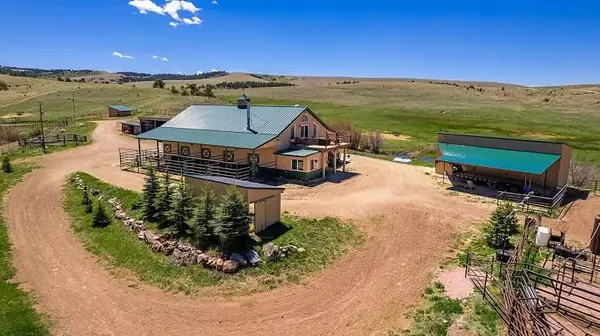
If you plan to live on the property while managing a garden or small farm, the layout of the house and land matters as well. A garden close to the kitchen may be easier to maintain than one located across a large acreage.
These practical details can make a bigger difference to your daily routine than the total number of acres on the listing.
What If You Want a Garden and a Horse Property?
For buyers who want horses and homegrown food, the two lifestyles can complement each other. However, they need to be planned together.
Separate Growing Areas From Horse Facilities
A horse property with acreage may offer room for raised beds, fruit trees, a greenhouse, or a small vegetable plot. But the available space must also accommodate turnout areas, shelters, fencing, manure management, and access routes.
Think carefully about where gardens will sit relative to paddocks and manure storage. Appropriate separation, drainage, fencing, and manure handling can help reduce contamination risks and protect crops.
Horse manure isn't automatically ready to use in a vegetable garden. Proper composting and handling matter, especially when growing food for consumption.
Also consider whether the property has enough usable land for both activities. Acreage occupied by buildings, driveways, steep slopes, drainage areas, or required setbacks may not be available for gardening or turnout.
For some households, a modest vegetable garden and well-planned horse facilities will be more practical than trying to cultivate a substantial amount of land.
Rural Living vs. Suburban Living: Which Fits Your Goals?
Neither option is inherently better. The right fit depends on how you want to spend your time, what you want to grow, and how much ongoing work you're comfortable taking on.
Suburban properties can offer easier access to services and may provide enough space for raised beds, fruit trees, and seasonal vegetables. Rural properties may offer more room for expansion, but they can also involve additional responsibilities related to wells, septic systems, private roads, fencing, and land maintenance.
A larger property may require more driving, equipment, and time outdoors. A smaller property may be easier to manage while still supporting a meaningful farm-to-table routine.
If you're exploring what might fit your lifestyle, you can start here: Your Wunder Home.
Browsing properties with your intended use in mind can help you compare practical features instead of focusing only on acreage or appearance.
How Can You Make a Farm-to-Table Lifestyle More Realistic?
You don't have to turn an entire property into a working farm to enjoy growing your own food.
Start with a realistic plan. Estimate how much produce your household uses, identify a sunny and accessible growing area, and choose a few crops suited to your location. Expand after you understand the property's water supply, soil, and seasonal patterns.
If you're buying land, keep a list of questions about soil, water rights, zoning, utilities, access, and existing improvements. Verify the answers through appropriate records, inspections, and local authorities.
If you're selling a property with agricultural features, accurate documentation can help prospective buyers understand what the land offers. Well permits, water-rights records, irrigation details, fencing information, and records of permitted structures may all be useful, depending on the property.
Some clients like to begin here: Explore available listings.
The goal isn't to find a property that promises a perfect lifestyle. It's to understand what a property can support and whether that matches your priorities.
The Reality Behind the Farm-to-Table Dream
Growing food on Colorado land can be rewarding, but the experience depends on practical details that aren't always visible in photographs.
Soil quality, irrigation, growing conditions, zoning, and the amount of time you're willing to invest all influence what is realistic. A manageable garden may be the right starting point for one household, while another may be prepared to take on a more involved agricultural project.
When exploring land around Denver, ask questions early, verify important details, and think about how the property will function in everyday life.
If you're thinking about buying or selling a rural home, acreage, or horse property, Gabrielle and Ryan Wunderlich are happy to be a resource as you explore your options. No pressure, just guidance when you need it.
Visit Your Wunder Home to learn more.
FAQ Section
What vegetables grow well on Colorado land?
Cool-season crops such as lettuce, spinach, peas, radishes, and some root vegetables can be good starting points, particularly in areas with shorter growing seasons. Tomatoes, peppers, cucumbers, and squash may also grow successfully in suitable Front Range locations with adequate warmth and care. Your elevation, soil, sunlight, and frost dates should guide crop selection.
How much land do you need to start a small farm in Colorado?
There is no single acreage requirement for every small farm. A home vegetable garden may fit on a typical residential lot, while a larger growing operation may require additional space for crops, equipment, access, and storage. Water availability, soil quality, zoning, and the type of production you have in mind are often more important than acreage alone.
Do you need water rights to grow vegetables on Colorado land?
The answer depends on your water source and the authorized uses associated with it. Private well permits can restrict outdoor watering, and irrigation water may be subject to specific rights and limitations. Before buying land, verify the well permit or applicable water rights and confirm that the proposed use is allowed. Don't assume that owning land or having a well automatically gives you unrestricted irrigation rights.
Can you grow food on a horse property near Denver?
Yes, some horse properties can accommodate vegetable gardens, fruit trees, or greenhouses alongside equestrian facilities. You'll need to evaluate usable acreage, water access, zoning, fencing, drainage, and the separation of food-growing areas from livestock and manure storage. The property's layout and permitted uses will help determine what's practical.
What should you check before buying Colorado farmland?
Start with soil quality, water access, water rights or well permits, zoning, legal access, utilities, drainage, and any recorded land-use restrictions. If you plan to keep horses or operate a small farm, confirm that the intended activities are permitted and that the property has suitable space and infrastructure. A qualified local real estate professional can help identify questions to investigate, while relevant authorities and specialists verify technical and legal details.
Categories
Recent Posts