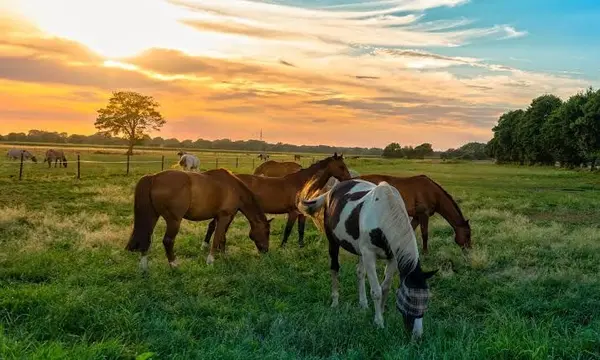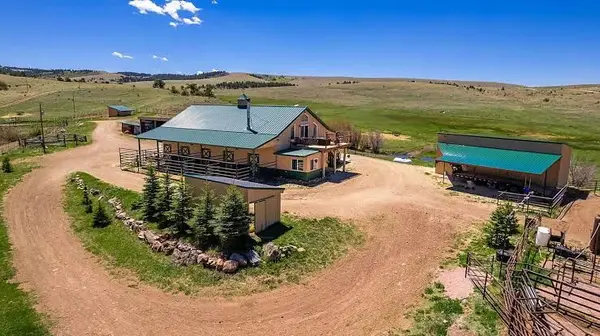
What Does “Usable Acreage” Really Mean in Colorado Real Estate?
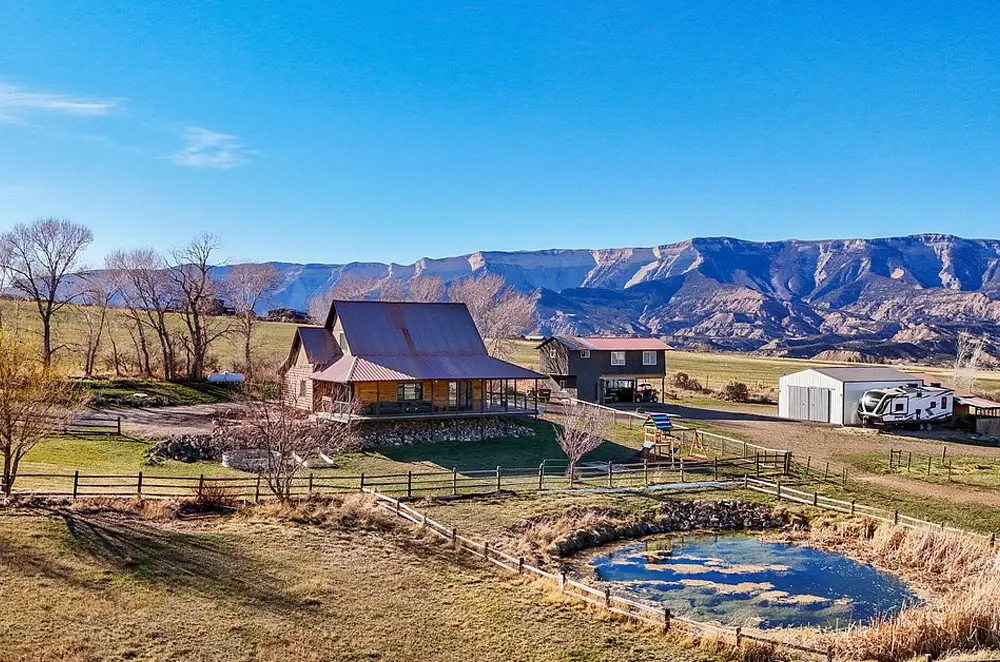
Usable acreage refers to the portion of a property that can realistically support the activities you have in mind, such as building, farming, keeping horses, grazing livestock, or enjoying outdoor space. A property's total acreage does not always tell you how much land will actually work for your plans.
In Colorado, terrain, zoning, water, drainage, easements, access, and other property characteristics can all influence how much of the land is practical to use. Understanding those details can help buyers look beyond the acreage number and evaluate the property as a whole.
Total Acreage and Usable Acreage Are Not the Same Thing
When buyers search for Colorado acreage, the first number they often notice is the total lot size.
Five acres sounds like five acres.
Twenty acres sounds like twenty acres.
But land doesn't always function as one large, usable space.
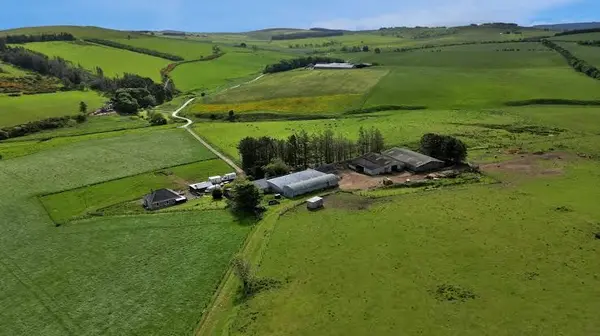
A 20-acre property could include a combination of open pasture, steep hillsides, wooded areas, drainage corridors, wetlands, rock formations, or other features that affect how the property can be used.
That doesn't necessarily make the property less desirable. It simply means the acreage should be evaluated in context.
For example, imagine two properties that are both 10 acres.
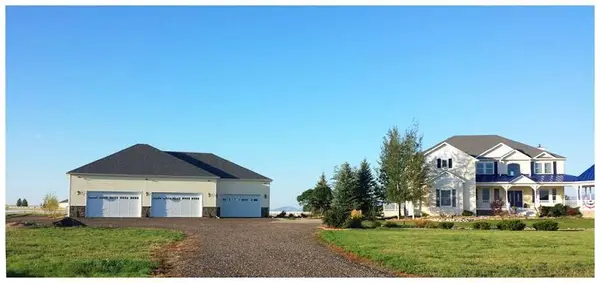
The first has relatively level pasture, an existing barn, fencing, driveway access, and utilities already serving the home.
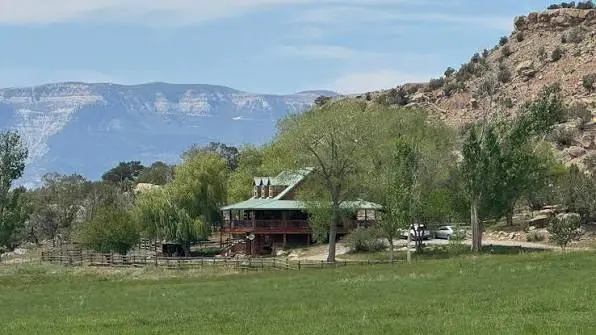
The second has 10 acres of beautiful rolling terrain, but a significant portion is steep and difficult to access.
For a buyer looking for a horse property, the first property might offer more practical pasture and facility space. For another buyer who values privacy, views, and natural landscape, the second property might be more appealing.
Everyone defines usable land differently.
What matters most depends on your goals.
What Makes Land More Usable in Colorado?
Several characteristics can influence how practical a parcel is for a particular buyer.
Topography and Slope
Colorado's varied terrain is one of the reasons people are drawn to acreage properties.
Rolling hills, mountain views, mature trees, and natural features can add tremendous character to a property.
At the same time, slope can affect construction, access, drainage, fencing, pasture management, and the placement of barns or other structures.
A relatively level portion of a property may be particularly useful for:
- A home
- Barns
- Horse paddocks
- Arenas
- Gardens
- Equipment storage
- Driveways
Steeper portions may still be valuable for recreation, privacy, views, or conservation.
The important distinction is between what the land offers aesthetically and how it functions for your intended use.
Drainage and Water Flow
Water naturally moves across land, and Colorado's weather can make drainage an important consideration.
Low areas may collect water during certain conditions. Seasonal drainage patterns can influence where buyers choose to place homes, barns, fencing, arenas, or septic systems.
A property that looks completely open during a dry showing may function differently after a significant rain or snowmelt.
This is one reason buyers evaluating acreage should look at more than photographs and a property description.
Soil and Ground Conditions
Soil characteristics can matter for agricultural buyers, horse owners, gardeners, and anyone considering future improvements.
Different soil conditions can influence:
- Pasture quality
- Drainage
- Landscaping
- Gardening
- Agricultural production
- Construction considerations
If agricultural use is part of your plan, understanding the land's characteristics can be particularly helpful.
How Zoning Affects Usable Acreage
Acreage can look perfectly suited to a particular use while zoning limits what can actually happen on the property.
Colorado land use regulations are generally handled at the local level, so requirements can vary significantly between counties and municipalities.
Depending on the property, zoning may affect:
- Residential construction
- Number of homes
- Horse ownership
- Livestock
- Agricultural activities
- Barns and accessory structures
- Commercial activities
- Short-term rentals
- Building setbacks
For example, a buyer may see a large open field and envision a riding arena, additional barn, or several horses.
Before assuming those plans are permitted, it's important to verify the applicable zoning and land use regulations.
This becomes especially important around the Denver metro area, where properties in Douglas County, Elbert County, Arapahoe County, Weld County, Jefferson County, and other surrounding areas can have different requirements.
How Water and Water Rights Influence Land Use
Water is another major piece of the usable acreage conversation in Colorado.
A property may have plenty of land but limited water resources for the buyer's intended use.
Depending on the property, buyers may encounter:
- Domestic wells
- Livestock wells
- Irrigation wells
- Shared water systems
- Irrigation rights
- Other water rights or agreements
Water rights can be complicated, and they should not be assumed simply because a property is described as agricultural or includes acreage.
For buyers interested in farming, gardening, livestock, or horses, understanding the property's water situation can be especially important.
I always recommend exploring the documentation and information available for a specific property rather than assuming that two acreage properties have the same water capabilities.
Usable Acreage for Colorado Horse Properties
Horse buyers often have a different definition of usable acreage than other rural property buyers.
For an equestrian buyer, the question isn't simply, "How many acres are there?"
It's more about how the land functions for horses and daily horse care.
Pasture and Turnout Areas
Usable pasture may be one of the most important considerations for a horse owner.
Buyers may want to evaluate:
- Pasture condition
- Fencing
- Water access
- Shade
- Drainage
- Terrain
- Cross-fencing
- Gate placement
A property with 15 acres may have less practical turnout space than the acreage number suggests.
On the other hand, a thoughtfully configured smaller property may fit a buyer's needs very well.
Barn and Facility Placement
The location of existing structures can also affect usability.
Consider where the property has space for:
- Barns
- Paddocks
- Arenas
- Round pens
- Hay storage
- Equipment
- Trailer parking
A property may have enough total acreage for these features but still have limitations based on setbacks, terrain, drainage, access, or existing structures.
How Easements and Access Affect Usable Land
An easement gives another party certain rights to use part of a property for a specific purpose.
Examples can include:
- Driveway access
- Utility access
- Water infrastructure
- Shared roads
An easement does not necessarily make land unusable, but it can affect how that portion of the property can be developed or modified.
For example, a utility easement running through an open section of land could influence where a future barn or other structure can be placed.
Access matters as well.
Rural properties may be served by county roads, private roads, shared driveways, or recorded access easements.
If you're buying acreage for horses, trailer access deserves particular attention. A property may have plenty of pasture but be difficult to navigate with a large horse trailer or equipment.
How Floodplains and Environmental Features Fit Into the Picture
Natural features are an important part of Colorado land ownership.
Floodplains, wetlands, waterways, protected areas, and other environmental considerations can influence development and land use.
These features are not necessarily negative.
A creek, mature trees, or natural open space may be a major reason someone chooses a property.
The key is understanding how those features interact with your plans.
If you want to build a home, add a barn, install fencing, or develop agricultural improvements, knowing where those features are located can help you evaluate the property's practical potential.
Usable Acreage for Rural and Agricultural Buyers
Agricultural buyers may evaluate acreage differently than someone purchasing a rural home for lifestyle purposes.
A farmer might focus on:
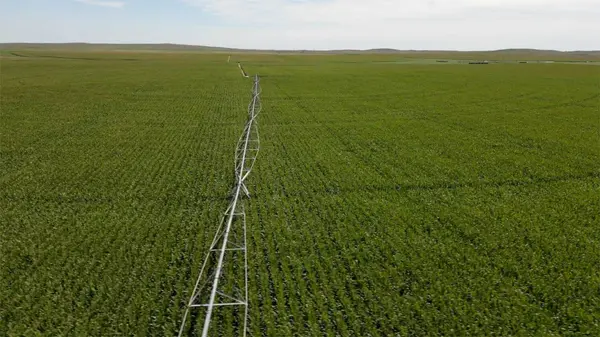
- Soil
- Irrigation
- Water availability
- Pasture
- Access
- Equipment storage
- Agricultural zoning
A hobby farmer may prioritize a garden, small livestock operation, and proximity to services.
A buyer interested in a rural lifestyle may care more about privacy, views, recreation, and space for future improvements.
There is no universal definition of usable acreage.
The right evaluation starts with understanding what you want the land to do for you.
Acreage, Infrastructure, and the Cost of Making Land Functional
Another important consideration is whether the property already has the infrastructure you need.
Raw or lightly improved land may require investment in:
- Roads
- Driveways
- Fencing
- Wells
- Septic systems
- Electricity
- Outbuildings
- Irrigation
- Landscaping
This doesn't automatically make raw land a poor choice.
Some buyers prefer starting with a blank slate and building according to their own plans.
Others would rather purchase a property where the major infrastructure is already established.
The important thing is to compare the total picture, not just the price per acre.
If you're considering purchasing land, some clients like to begin here:
Having a clear understanding of your financing can help when comparing properties with different levels of existing improvements.
A Practical Way to Evaluate Usable Acreage
When touring a Colorado acreage property, consider walking through the property with your intended use in mind.
Start with the question of what you want to do there.
Then evaluate the land accordingly.
For example, if your goal is a horse property, look at the acreage through an equestrian lens.
If you're planning to build, focus on potential building areas, access, utilities, septic considerations, and zoning.
If agriculture is your goal, pay closer attention to water, soil, pasture, and land use regulations.
A simple evaluation can include:
- Total acreage
- Level or gently sloped areas
- Pasture and open space
- Water availability
- Access
- Existing structures
- Zoning
- Easements
- Utilities
- Future improvement possibilities
This approach can provide a more useful picture than simply comparing the number of acres between listings.
Rural Living Near Denver and the Surrounding Communities
For many buyers, usable acreage is closely tied to lifestyle.
Living farther from central Denver may provide more land and privacy, but it can also mean longer drives, different utility systems, more property maintenance, and fewer nearby services.
Communities throughout the Denver region and surrounding areas offer different combinations of rural and suburban living.
Some buyers want acreage while staying within a reasonable commute.
Others are comfortable traveling farther in exchange for additional land and a more rural setting.
Neither approach is automatically right for everyone.
What matters most depends on how you want your everyday life to look.
If you want to explore available properties, you can browse current listings here:
Why Looking Beyond the Acreage Number Matters
Usable acreage is ultimately about function.
A property can have impressive acreage and still have limitations for a particular use. Another property with fewer acres may already have the infrastructure, layout, water, and zoning that make it a better fit for a specific lifestyle.
That is why I always recommend looking at the whole property rather than relying on one number.
For buyers considering Colorado land, horse properties, agricultural acreage, or rural homes, the most useful questions often involve how the land actually works.
Can you use it the way you envision?
Does the zoning support your plans?
Is there enough practical space for the improvements you want?
Are water and utilities adequate?
Does the property provide the lifestyle you're looking for?
Those answers can be much more meaningful than acreage alone.
If you're researching Colorado land and want another place to start, you can learn more here:
Final Thoughts
Usable acreage is not a standardized number that means the same thing to every buyer.
It is better understood as the portion of a property that realistically supports your intended use, taking into account terrain, zoning, water, access, infrastructure, easements, and other property-specific factors.
For a horse owner, usable acreage might mean functional pasture and space for an arena.
For an agricultural buyer, it could mean productive soil, irrigation, and workable fields.
For someone seeking a rural home, it may simply mean enough functional land for privacy, recreation, gardens, or future improvements.
Everyone defines this differently.
If you're thinking about buying or selling land, a horse property, agricultural property, or rural home in the Denver area, Gabrielle and Ryan Wunderlich are happy to be a resource.
No pressure, just guidance when you need it.
Learn More About Gabrielle and Ryan Wunderlich
FAQ
- What does usable acreage mean in Colorado real estate?
- Usable acreage generally refers to the portion of a property that can realistically support the buyer's intended use. Terrain, zoning, water, drainage, easements, access, and infrastructure can all influence how much of the land is practical to use.
- Is usable acreage the same as total acreage?
- No. Total acreage represents the overall size of the parcel. Usable acreage considers how much of that property can realistically be used for activities such as building, farming, grazing, keeping horses, or recreation.
- How is usable acreage important for a Colorado horse property?
- Horse buyers may evaluate pasture, fencing, water, terrain, barn placement, riding areas, and trailer access. A larger parcel is not necessarily more functional if significant portions of the land cannot support the buyer's intended equestrian use.
- Can zoning affect usable acreage?
- Yes. Zoning and other land use regulations can influence where and how a property can be developed or used. Building setbacks, livestock regulations, accessory structures, and other requirements may affect the practical use of a parcel.
- What should buyers evaluate before purchasing Colorado acreage?
- Buyers may want to review total and usable acreage, terrain, zoning, water, utilities, access, easements, drainage, existing improvements, and future plans for the surrounding area. The most important factors depend on the buyer's intended use and priorities.
Categories
Recent Posts