What Does It Really Mean to Own Agricultural Land in Colorado? Quick Answer
Owning agricultural land in Colorado generally means owning property where agricultural or rural uses may be allowed, but the exact rights and restrictions depend on the property's zoning, water situation, access, improvements, and county regulations. The important question is not simply whether a property is called "agricultural," but whether the property can support the lifestyle and uses you have in mind.
For buyers considering land around Denver and the surrounding communities, understanding those details before making an offer can make the difference between finding land that fits your plans and discovering limitations later.
What does agricultural land mean in Colorado?
Agricultural land is generally associated with farming, ranching, livestock, crops, grazing, or other agricultural activities. However, the word agricultural does not automatically tell you everything you can do with a property.
Colorado land use decisions are often handled at the county or local level. That means two properties with similar acreage can have very different permitted uses.
For example, one 10-acre property might work well for horses, a home, outbuildings, and limited agricultural activity. Another 10-acre parcel might have restrictions that make certain improvements or uses more complicated.
This is why I recommend looking beyond the listing description.
Before purchasing, buyers should explore questions such as:
- What is the property's zoning?
- What uses are permitted?
- Are livestock allowed?
- Are horses allowed, and are there limitations?
- Can another residence be built?
- Are accessory structures permitted?
- What are the minimum setbacks?
- Is agricultural activity currently taking place?
- What water rights or water sources come with the property?
- Are there easements or access restrictions?
- Are there conservation or other recorded restrictions?
What matters most depends on your goals. A buyer interested in keeping a few horses may evaluate the property very differently from someone hoping to operate a small farm.
Why does zoning matter when buying agricultural land in Colorado?
Zoning is one of the first things I would investigate before purchasing rural or agricultural property.
Zoning helps determine how land can be used and what types of structures or activities may be permitted. The specific rules vary by county and jurisdiction, so there is no single statewide answer that applies to every agricultural property.
For someone searching around the Denver area, that might mean looking at properties in places such as Douglas County, Arapahoe County, Jefferson County, Elbert County, Weld County, Adams County, or other surrounding areas.
The farther you move from the urban core, the more rural the property may feel, but that does not necessarily mean fewer regulations.
A property can look wide open and still have specific requirements governing:
- Residential development
- Agricultural buildings
- Livestock
- Fencing
- Roads and access
- Septic systems
- Wells
- Setbacks
- Subdivision
- Additional residences
- Commercial activities
The practical takeaway: Never assume that acreage equals unlimited flexibility.
If you have a specific plan, such as building a barn, keeping horses, starting a small agricultural operation, or adding another home, investigate whether that use is allowed before you rely on it in your purchase decision.
Can you build a home on agricultural land in Colorado?
Sometimes, but it depends on the property.
This is one of the most important distinctions for land buyers.
A parcel may be large enough to look ideal for a home, yet still have questions involving zoning, building envelopes, access, utilities, septic, water, or other development requirements.
If you are purchasing vacant agricultural land with the intention of building, I would think about the property as a development project rather than simply a piece of dirt.
Ask:
- Is residential construction permitted?
- Is there an existing legal building site?
- Where could the home potentially be located?
- Is legal access established?
- Is electricity available?
- What are the water options?
- Would a well be possible?
- Would the property require a septic system?
- Has the site been evaluated for septic suitability?
- Are there setbacks, easements, floodplain considerations, or other restrictions?
A beautiful piece of land can still require significant planning before construction begins.
What should you know about water rights on Colorado agricultural land?
Water is one of the biggest considerations when purchasing Colorado acreage.
Colorado follows a system of water rights that can be more complicated than simply asking whether a property has "water."
A property might have a domestic well, irrigation water, surface water rights, shares in an irrigation ditch or water company, or some combination of these. The actual rights associated with a property should be carefully investigated.
This matters particularly for agricultural buyers.
A buyer may be interested in growing crops, irrigating pasture, maintaining landscaping, or supporting livestock. Those uses can require different water considerations than simply having enough water for a household.
For example, a property having a well does not necessarily mean the well can be used for every purpose a buyer has in mind.
The well permit and associated documentation matter.
If water is an important part of your plans, I recommend reviewing the applicable records and confirming what the water source can legally be used for rather than relying solely on the listing description.
This is one area where working with the appropriate water professionals can be particularly valuable.
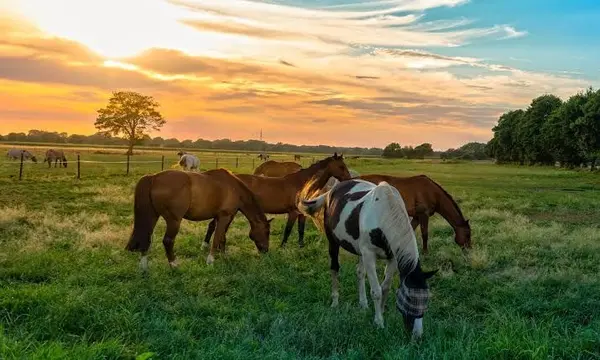
Can you keep horses on agricultural land in Colorado?
Potentially, but horse ownership should be evaluated separately from simply having acreage.
This is especially important for buyers moving from suburban neighborhoods to rural or semi-rural properties.
A horse property may need much more than a pasture.
Depending on your goals, you might want:
- Fencing
- A barn
- Stalls
- Tack storage
- Run-in shelters
- Water access
- Pasture
- Hay storage
- Trailer parking
- Riding areas
- Appropriate access for veterinarians and farriers
The property itself also matters.
A 5-acre parcel with limited usable ground may function very differently from a 5-acre property with level pasture, established fencing, and appropriate infrastructure.
Acreage is only one part of evaluating an equestrian property.
Terrain, drainage, soil, vegetation, water availability, fencing, existing improvements, and local regulations can all influence whether a property works for your particular horses and management style.
Everyone defines their ideal horse property differently. Someone who wants two pleasure horses may have very different priorities from someone operating a larger equestrian program.
What is the difference between rural and suburban living near Denver?
For many buyers, the appeal of agricultural land is not necessarily becoming a farmer.
Sometimes it is about having more space, privacy, animals, gardens, outbuildings, or a lifestyle that feels less urban.
That can make the transition from suburban to rural living especially appealing.
But there are tradeoffs.
Rural properties can involve longer drives, private roads, wells, septic systems, propane or other utility arrangements, fewer nearby services, and more responsibility for maintaining the property.
You may also encounter gravel roads, snow management, wildlife, agricultural odors, farm equipment, irrigation infrastructure, or neighboring properties with active agricultural operations.
These things are not necessarily negatives. They are simply part of understanding what rural ownership can look like.
What matters most depends on how you want to live.
Someone who works remotely and wants space for horses may view a 20-minute drive to town very differently from someone who needs a short commute every morning.
What should you look for when evaluating Colorado agricultural land?
I like to break land evaluation into several categories.
- Zoning and permitted use
Start by understanding what the property is legally allowed to do.
Do not stop at the listing's description. Review the applicable county regulations and confirm important uses.
- Water
Understand the property's water source and any associated rights.
If irrigation is important to you, investigate the irrigation system, water rights, ditch arrangements, and historical use where applicable.
- Access
A property needs more than a road that appears to reach it.
Look at legal access, recorded easements, road maintenance responsibilities, and seasonal conditions.
A beautiful rural property can become much less convenient if access is difficult during winter or if road maintenance is shared among multiple owners.
- Utilities
Determine how the property is served.
Depending on the location, you may encounter municipal water, wells, septic systems, propane, natural gas, electric service, private roads, or other arrangements.
Vacant land deserves especially careful due diligence because infrastructure may not be where you expect it to be.
- Usable acreage
Ten acres does not necessarily mean ten usable acres.
Consider topography, drainage, wetlands, trees, steep slopes, rocky ground, floodplain areas, easements, and other factors.
For a horse buyer, the amount of usable pasture may matter more than the total acreage.
- Existing improvements
A barn, fencing, arena, irrigation system, shop, or outbuilding can add significant practical value to a property.
But existing improvements should also be evaluated for condition, permitted use, maintenance requirements, and suitability for your plans.
Is agricultural land always a good investment?
There is no universal answer.
Land can be an appealing long-term asset for some buyers, but its financial potential depends on many factors, including location, zoning, water, development potential, market conditions, property condition, taxes, and the buyer's investment objectives.
It is also important to separate lifestyle value from financial value.
A property may be perfect for someone who wants room for horses and a garden without necessarily being the property with the greatest future development potential.
Conversely, a parcel with strong development characteristics may not provide the peaceful rural lifestyle a buyer actually wants.
I always recommend exploring data that aligns with your priorities rather than trying to identify a universally "best" property.
If you want to explore available properties and compare different types of homes and land, you can start here: Your Wunder Home
What are some common surprises for first-time rural land buyers?
One of the biggest surprises can be how much responsibility comes with owning more land.
In a suburban neighborhood, many services are handled collectively or by a municipality or homeowners association.
On rural property, the owner may have more responsibility for things such as:
- Maintaining fencing
- Managing pastures
- Clearing snow
- Maintaining private roads
- Servicing septic systems
- Maintaining wells
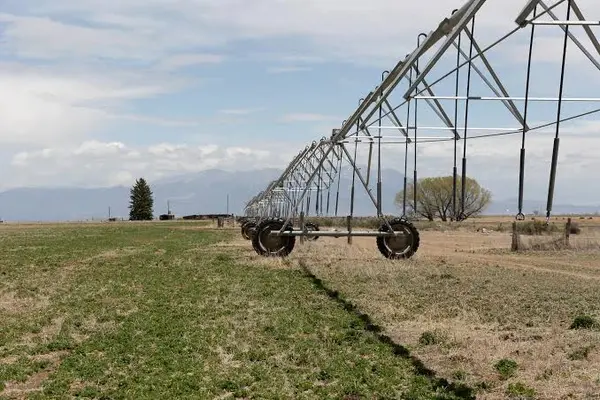
- Managing irrigation equipment
- Repairing outbuildings
- Controlling weeds
- Caring for trees and vegetation
None of this means rural ownership is a bad idea.
It simply means buyers should understand the lifestyle before committing to it.
I often encourage people to spend time on the property at different times of day if possible. Listen to the surroundings. Drive the access road. Think about winter. Consider how far you will travel for groceries, schools, work, veterinary care, feed, or other services.
The goal is not to find a property with no tradeoffs. The goal is to understand the tradeoffs well enough to decide whether they fit your life.
How should you approach buying agricultural land in Colorado?
Start with your intended use.
Instead of beginning with, "How many acres do I want?" consider asking:
What do I actually want to do with the land?
Maybe you want two horses.
Maybe you want a hobby farm.
Maybe you want privacy and open space.
Maybe you want to build a custom home.
Maybe you want an investment property.
Maybe you want a combination of several of these.
Once you understand the goal, you can evaluate properties based on the factors that actually matter.
For example, a horse buyer might prioritize usable pasture, fencing, water, barn infrastructure, trailer access, and zoning.
A future home builder might focus more heavily on building sites, water, septic, utilities, access, and development restrictions.
An investor might place greater emphasis on zoning, surrounding development, market trends, holding costs, and future land-use possibilities.
There is no single checklist that works for every land buyer.
Some clients like to begin by understanding the broader market and available properties before narrowing down their priorities. You can browse available homes and properties here: Browse Available Properties
What should sellers know about agricultural property?
Selling agricultural or rural property can require a little more preparation than selling a typical suburban home.
Buyers may ask detailed questions about:
- Water rights
- Well permits
- Irrigation
- Septic systems
- Zoning
- Agricultural leases
- Fencing
- Outbuildings
- Easements
- Road maintenance
- Livestock
- Mineral rights
- Conservation restrictions
Having documentation organized can make the process easier for everyone.
If you are considering selling land, a rural home, or a horse property, it can be helpful to identify the property's unique characteristics before deciding how it should be marketed.
The things that make rural property special are often the same things buyers will want to understand before making a decision.
If you are considering a sale and want to explore what preparation might look like, you can start here: Selling Your Property
What does owning agricultural land really come down to?
Ultimately, owning agricultural land in Colorado is about much more than acreage.
It is about the relationship between the land, its permitted uses, its water, its infrastructure, its location, and the lifestyle you want to create.
For buyers around Denver and the surrounding communities, the right property might be a small acreage home with a couple of horses. For someone else, it could be a larger agricultural parcel, a rural home with pasture, or vacant land for a future build.
The important part is understanding what you are actually buying.
Before making a decision, investigate the property's zoning, water, access, utilities, improvements, restrictions, and practical day-to-day requirements. Then compare those facts with your own goals.
Good land decisions are rarely about finding a property that checks every possible box. They are about knowing which boxes matter most to you.
Thinking About Buying or Selling Colorado Land?
Agricultural and rural property can be incredibly rewarding, but it deserves a thoughtful approach.
If you are considering a horse property, agricultural property, rural home, residential property, or land around Denver and the surrounding Colorado communities, Gabrielle and Ryan Wunderlich are happy to be a resource as you explore your options.
No pressure, just guidance when you need it.
FAQ: Agricultural Land in Colorado
What does it mean to own agricultural land in Colorado?
Owning agricultural land generally means owning property where certain agricultural or rural uses may be permitted. The exact uses depend on local zoning, county regulations, water rights, property restrictions, and other factors.
Can I build a house on agricultural land in Colorado?
Possibly. Whether you can build depends on the property's zoning, development rules, access, water, septic considerations, setbacks, and other requirements. Buyers should verify the specific property rather than assuming acreage automatically provides a residential building right.
Can I keep horses on agricultural property?
Potentially. Horse ownership can depend on zoning, local regulations, acreage, setbacks, animal restrictions, and the property's infrastructure. Buyers should also evaluate whether the land has enough usable space, water, fencing, and facilities for their intended use.
Do all Colorado agricultural properties have water rights?
No. Water situations vary significantly from property to property. A property may have a well, irrigation rights, surface water rights, ditch shares, or other arrangements, while another property may have very different water resources. The specific documentation should be reviewed as part of due diligence.
Is rural land near Denver a good investment?
It depends on the buyer's goals and the individual property. Location, zoning, water, development potential, market conditions, carrying costs, and lifestyle considerations can all influence the property's suitability as an investment. There is no single answer that applies to every parcel.
Categories
Recent Posts