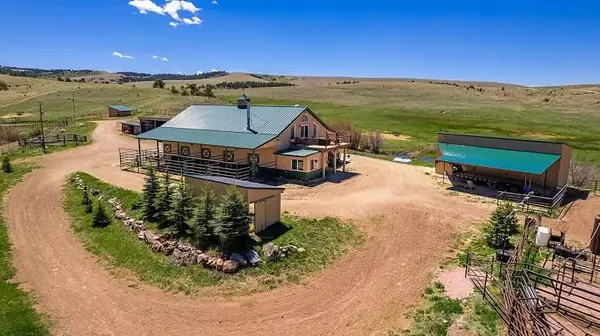
Can a Smaller Horse Property Work Better Than a Larger One? Quick Answer
Can a Smaller Horse Property Work Better Than a Larger One?
Quick Answer
Yes, a smaller horse property can sometimes work better than a larger one. The right property depends less on the number of acres and more on how well the land, zoning, water, fencing, access, home, and horse infrastructure match your goals. For buyers in Denver and surrounding Colorado communities, a well-planned smaller property may provide the lifestyle they want without the additional maintenance and costs that can come with significantly more land.
Why Bigger Isn't Always Better for a Horse Property
When people start shopping for a horse property, acreage is often one of the first things they look at.
It makes sense. More land can mean more room for horses, riding, pasture, privacy, gardens, outbuildings, or simply space between you and your neighbors.
But acreage is only one piece of the equation.
A 10-acre property with poor access, limited water, inadequate fencing, or restrictive land-use rules may be less practical for your goals than a thoughtfully designed 3-acre or 5-acre property.
Everyone defines the ideal horse property differently. For one buyer, having enough land to keep two horses at home may be the priority. Another buyer may want room for an arena and barn. Someone else may care most about privacy, a comfortable home, and easy access to Denver.
The question is not necessarily, "How many acres can I afford?"
A better question is, "How much usable property do I actually need?"
That distinction can change the entire search.
What Does a Smaller Horse Property Need to Work Well?
A smaller property can be very functional when the available space is organized around the owner's priorities.
For example, imagine a buyer looking for a property near the Denver metro area. They have two horses, want a modest riding area, need space for a barn and turnout, and would prefer to spend weekends riding rather than maintaining a large parcel.
A carefully designed 3-acre property could potentially meet those needs.
A larger property could offer more flexibility, but it could also introduce additional responsibilities. More fencing needs maintenance. Longer driveways may require more attention. Larger pastures can require more management. Additional acreage may also mean more complicated irrigation, drainage, access, or land-use considerations.
This is where the concept of usable acreage becomes important.
What Is Usable Acreage?
Usable acreage is essentially the portion of a property that realistically works for your intended use.
A property might have 10 acres on the listing, but that does not necessarily mean all 10 acres are equally useful.
Consider:
- Steep or rocky terrain
- Seasonal drainage areas
- Wet or poorly drained ground
- Existing easements
- Setbacks
- Required buffers
- Fenced areas that are difficult to access
- Areas unsuitable for structures
- Land with limited water availability
- Portions restricted by zoning or other land-use requirements
For horse owners, usable acreage can matter more than the headline acreage number.
How Many Acres Do You Actually Need for Horses?
There is no universal acreage number that works for every horse owner.
Horse needs depend on factors such as pasture quality, local climate, supplemental feeding, turnout practices, soil, irrigation, the number of horses, and how the property will be managed.
Colorado adds another layer to the conversation because conditions can vary significantly between areas around Denver, the Front Range, and more rural communities.
A property that looks like open pasture may not provide the same forage value throughout the year.
That means buyers should avoid assuming that a certain number of acres automatically equals a certain amount of grazing capacity.
If horses are a major reason for purchasing the property, it can be helpful to evaluate the land based on how you actually expect to use it.
Will horses primarily use the property for turnout?
Will you provide supplemental hay?
Do you want enough room for rotational grazing?
Will you board horses elsewhere?
Are you planning to build an arena?
Do you need a barn, run-in shelter, tack room, or additional storage?
The answers can change the amount and type of land that makes sense.
Can a Smaller Property Be Easier to Maintain?
For many owners, this is one of the biggest advantages of considering a smaller property.
Horse ownership already involves ongoing work. Feeding, watering, cleaning stalls, maintaining fencing, managing manure, caring for animals, and maintaining equipment all take time.
The property itself can add another layer of responsibility.
A larger parcel may require more fencing, gates, roads, vegetation management, irrigation maintenance, snow removal, and general upkeep.
That does not mean larger properties are a bad choice. Many owners love having extensive land and are comfortable with the responsibilities that come with it.
It simply means maintenance should be part of the buying decision.
A useful exercise is to imagine a normal Tuesday, not just the day you tour the property.
How far is it from the house to the barn?
How much fencing will you need to inspect?
How difficult will it be to access the property during winter weather?
Where will hay, bedding, and equipment be stored?
How will water reach the animals?
Thinking through those practical questions can reveal more than an acreage number on a listing.
What Should Horse Buyers Look for Besides Acreage?
- Zoning and Permitted Land Use
Before assuming you can keep horses, build an arena, add a barn, or construct another outbuilding, investigate the property's zoning and applicable land-use rules.
Colorado land-use regulations can vary by county and municipality. Properties that appear similar on a map may have very different requirements.
Ask questions about:
- Number of animals allowed
- Livestock or equestrian uses
- Accessory structures
- Barns and shelters
- Arenas
- Setbacks
- Fencing
- Boarding or commercial uses
- Future additions
Never assume that because a neighboring property has a particular structure or use, your property will automatically have the same rights.
- Water
Water deserves serious attention when evaluating rural and horse properties.
The property may have a well, municipal water, irrigation water, or another water arrangement. Those systems are not interchangeable, and the rights associated with water can be property-specific.
If you're buying land for horses, understand how water will be provided to the home and animals.
Ask for documentation and have the appropriate professionals help you evaluate the property's water situation.
A property can have plenty of acreage and still not provide the water resources you expected.
- Fencing and Gates
Good fencing can make a horse property dramatically more functional.
Look closely at the condition and layout of existing fencing.
Are pastures divided logically?
Are gates wide enough for trailers and equipment?
Can you safely move horses between areas?
Will the fencing work for your particular animals?
If you are planning to replace fencing, estimate the cost before deciding that a larger parcel is the better deal.
- Roads and Access
Rural living often means paying more attention to access.
Look at the driveway, road conditions, winter access, trailer access, and any private-road or shared-road arrangements.
If you will regularly haul horses, hay, feed, or equipment, access becomes especially important.
Also investigate easements and maintenance responsibilities. A property may have legal access, but buyers should understand what that access involves and who is responsible for maintaining shared roads or driveways.
- Existing Horse Infrastructure
A property with an existing barn, arena, fencing, shelters, water lines, and appropriate storage can sometimes be more useful than a larger parcel with none of those improvements.
However, existing infrastructure should not automatically be treated as an advantage.
Inspect it.
Determine its condition, age, functionality, and whether it was properly permitted where applicable.
A large barn that needs significant repairs may not be as valuable to you as a smaller, well-maintained setup.
Is Rural Living Better Than Suburban Living for Horse Owners?
That depends entirely on your lifestyle.
Some buyers want the quiet and space associated with rural living. Others prefer being closer to schools, shopping, restaurants, employment centers, and neighborhood amenities.
For Denver-area buyers, the location conversation can be especially important.
You may find horse properties farther from Denver with more acreage, but that can come with a longer commute and greater reliance on private infrastructure.
Closer-in properties may offer easier access to the metro area but less land or more restrictions.
There is no universally better choice.
The right balance depends on how often you commute, how much privacy you want, how you plan to use the property, and how much time you want to spend maintaining land.
Could a Smaller Horse Property Be More Affordable Overall?
Potentially, but purchase price is only one part of the calculation.
When comparing properties, consider the total cost of ownership.
That can include:
- Property taxes
- Utilities
- Well or water-system maintenance
- Septic maintenance
- Fencing
- Barn and outbuilding repairs
- Arena maintenance
- Road and driveway maintenance
- Landscaping or vegetation management
- Snow removal
- Equipment
- Hay and feed
- Insurance
A smaller property does not automatically mean lower costs. A poorly maintained smaller property can still require substantial investment.
The goal is to compare the whole picture rather than simply comparing price per acre.
If you want to explore options, you can start here: Your Wunder Home.
How Should You Compare a 3-Acre Property With a 10-Acre Property?
Instead of asking which property is "better," create a simple comparison based on your priorities.
For example:
The larger property may win if privacy and additional land are your priorities.
The smaller property may win if convenience, existing infrastructure, and lower maintenance matter more.
There is no right answer without knowing what you value.
What Questions Should You Ask Before Buying a Horse Property?
Before making an offer, consider creating a property-specific checklist.
Ask:
- Is the intended horse use allowed under current zoning?
- How many animals can legally be kept on the property?
- What water source serves the home and animals?
- What documentation exists for wells and water rights?
- What are the property's easements and access arrangements?
- What infrastructure is included?
- What needs immediate repair?
- What would it cost to add fencing, a barn, or an arena?
- How will the property function during winter?
- Does the property fit the lifestyle you actually want?
These questions can help turn an emotional property search into a practical decision.
When Does More Acreage Make Sense?
There are plenty of situations where additional acreage may be exactly what a buyer needs.
More land may make sense if you want:
- Multiple horses
- Larger turnout areas
- More separation between animals
- Expanded agricultural use
- Greater privacy
- Space for future improvements
- Room for recreational activities
- More flexibility for future plans
The important point is to buy acreage for a reason.
If you cannot identify how you would use the additional land, it may be worth comparing the financial and maintenance tradeoffs.
When Might a Smaller Property Make More Sense?
A smaller property may be worth considering when your priorities are focused.
For example, a buyer might want two horses, a comfortable home, a functional barn, a riding arena, and a manageable commute.
If a smaller property already provides those things, purchasing significantly more land may not improve the buyer's day-to-day life enough to justify the additional responsibilities.
Some clients like to begin here: browse available properties.
The goal is not to convince yourself that smaller is better.
The goal is to understand what you are actually buying.
What Are the Biggest Mistakes Buyers Make When Comparing Horse Properties?
One common mistake is falling in love with the acreage before understanding the property itself.
Ten acres sounds impressive.
But ten acres with inadequate water, poor access, restrictive zoning, deteriorating fencing, or expensive infrastructure needs may not support the lifestyle you imagined.
Conversely, a smaller property with the right layout, infrastructure, location, and permitted uses may fit beautifully.
When evaluating a horse property, I always recommend exploring the information that aligns with your priorities rather than relying on one number.
Acreage matters.
So do water, zoning, infrastructure, location, access, maintenance, and your actual plans for the property.
The Bottom Line for Colorado Horse Property Buyers
A smaller horse property can absolutely be worth considering.
For some buyers, fewer acres may mean less maintenance, a shorter commute, lower infrastructure demands, and a property that is easier to manage while still providing the desired equestrian lifestyle.
For others, additional acreage may be essential for grazing, privacy, multiple horses, agricultural use, or future plans.
Everyone defines the ideal property differently.
If you're comparing properties around Denver, Parker, Castle Rock, Elizabeth, Franktown, Brighton, Arvada, Golden, or other Colorado communities, look beyond the acreage number. Pay attention to zoning, water, access, infrastructure, land usability, and how the property fits your everyday life.
The best property is not necessarily the largest one.
It is the one that makes sense for your goals, your budget, your animals, and the way you actually want to live.
FAQ: Horse Property and Acreage
Can I keep horses on a small property in Colorado?
Possibly. The answer depends on the property's zoning, local land-use rules, animal limitations, available space, and how the horses will be managed. Always verify the specific property rather than assuming that acreage alone determines whether horses are permitted.
How many acres do I need for two horses?
There is no single acreage requirement that works for every situation. Pasture quality, irrigation, supplemental hay, turnout practices, zoning, and property layout all matter. Two horses may be comfortably managed on a smaller property with the right infrastructure, while another owner may need considerably more land.
Is a 5-acre horse property better than a 10-acre property?
Not necessarily. What matters most depends on your goals. A 5-acre property with good fencing, appropriate water, a functional barn, and convenient access could fit one buyer better than a 10-acre property that requires substantial improvements.
What should I investigate before buying rural land in Colorado?
Start with zoning and permitted uses, water, access, easements, utilities, septic considerations, fencing, existing structures, and any restrictions that could affect your plans. For a horse property, also investigate animal limitations and the condition of existing equestrian infrastructure.
Should I buy more land if I plan to own horses someday?
Maybe, but start with your actual plans. Think about how many horses you expect to have, whether you need pasture, whether you plan to build an arena or barn, and how much property you realistically want to maintain. Buying additional acreage can provide flexibility, but it also comes with additional ownership responsibilities.
If you're thinking about buying or selling a horse property, rural home, agricultural property, or residential property in Colorado, we're happy to be a resource. No pressure, just guidance when you need it.
Categories
Recent Posts