Septic Systems, Wells, and Utilities: What to Check Before Buying Rural Property in Colorado
Buying rural property in Colorado often means taking a closer look at infrastructure that may be easy to overlook in a suburban home. Wells, septic systems, electricity, internet, propane, road access, and water rights can all affect how a property functions and what it may cost to improve.
The right setup depends on your goals. A buyer looking for a horse property or agricultural acreage may have very different priorities than someone looking for a quiet rural home outside Denver.
Rural Property Comes With a Different Set of Questions
One of the reasons people are drawn to rural Colorado is the opportunity to have more space and a different pace of life.
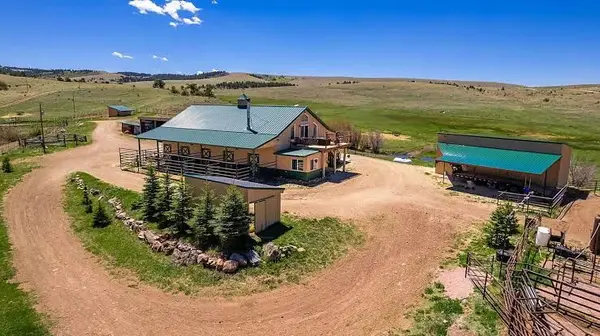
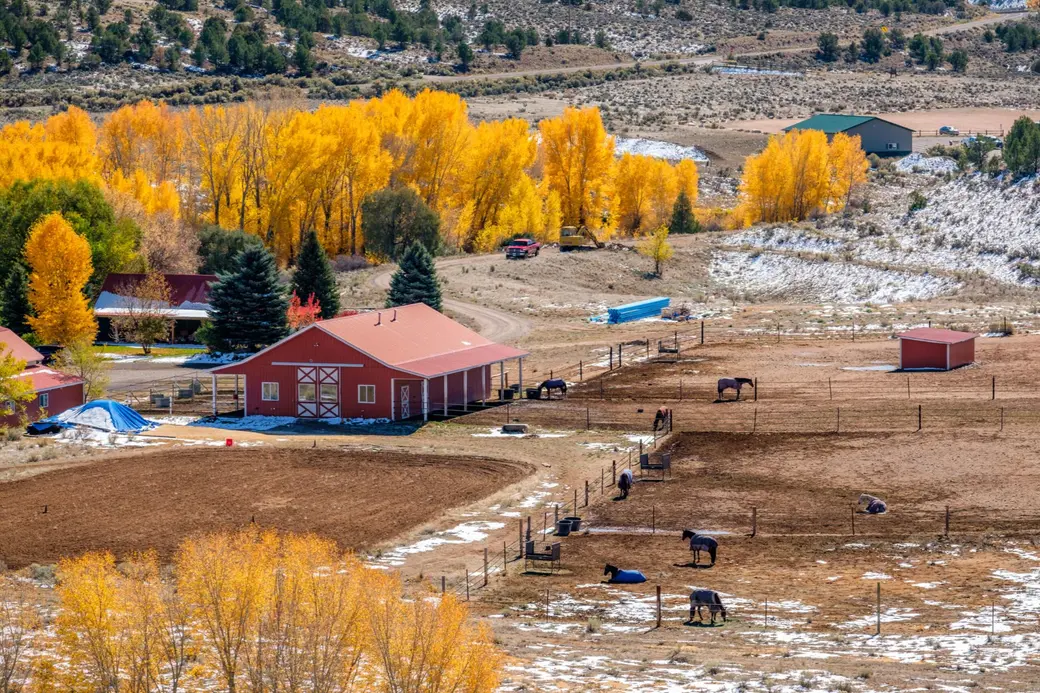
You may be looking at acreage in Douglas County, Elbert County, Weld County, Jefferson County, Adams County, or another community surrounding Denver. The property might have a barn, pasture, mountain views, or enough land for horses.
Then you start looking at the practical details.
Where does the water come from?
Where does the wastewater go?
Who maintains the road?
Is there reliable internet?
How old is the septic system?
Those questions may not be as exciting as the view from the back porch, but they can have a meaningful impact on your experience as a landowner.
Everyone defines value differently. What matters most depends on how you intend to use the property.
Understanding Private Wells on Colorado Properties
Many rural Colorado homes are not connected to a municipal water system. Instead, they rely on private wells.
A private well typically provides groundwater for the property, but the details surrounding that well matter.
Before buying, buyers may want to review:
- The well permit
- Permitted uses
- Historical production information, when available
- Well location
- Water quality information
- Pump and pressure system condition
- Whether the well serves one property or multiple properties
- Any recorded agreements associated with the water supply
A well that supplies a household may have different permitted uses than a well intended for broader agricultural or irrigation purposes.
That distinction can become especially important for horse owners, gardeners, hobby farmers, and buyers planning future improvements.
Well Permits and Permitted Uses
A common mistake is assuming that having a well means you can use the water for whatever purpose you choose.
The permit and applicable water rights determine how the water can legally be used.
For example, a buyer may be interested in purchasing acreage with horses and assume the existing well will support all household and livestock needs. The actual permitted use may be more limited.
This is one reason reviewing the property's water documentation during due diligence is so important.
Well Production and Household Needs
Water availability can also be a practical consideration.
A household with two people may have different needs than a large family with multiple livestock animals, gardens, or other water-intensive uses.
For horse properties, buyers may also want to understand how water reaches troughs, pastures, and barns.
The goal isn't simply to ask whether a property has a well. The more useful question is whether the existing water setup aligns with how you plan to use the property.
Septic Systems and Rural Wastewater
Without municipal sewer service, many rural properties rely on septic systems.
A septic system generally collects wastewater from the home and uses a tank and soil-based treatment area to process it.
The system's design, age, condition, and capacity are all worth understanding.
Septic System Age and Maintenance
A newer septic system is not automatically a better fit for every buyer, and an older system is not necessarily a reason to walk away.
What matters is understanding its condition and maintenance history.
During due diligence, buyers may want to review available records and consider an inspection by an appropriately qualified septic professional.
Questions worth exploring include:
- When was the system installed?
- What type of system is it?
- How many bedrooms was it designed to serve?
- When was it last serviced or pumped?
- Are maintenance records available?
- Where is the leach field?
- Are there any known repairs or concerns?
These details can help you understand what you're actually purchasing.
Septic Capacity and Future Plans
Septic capacity can become particularly important when buyers are considering additions.
For example, imagine purchasing a three-bedroom rural home with plans to add a guest suite, workshop, or additional living space.
The existing septic system may not automatically support those changes.
Before assuming an addition is possible, it's worth determining whether the septic system and local regulations support the intended expansion.
Electricity and Other Essential Utilities
Electricity is another infrastructure detail that deserves attention.
A rural property may already have electrical service, but the location and capacity of that service can vary.
Buyers considering a new build or major renovation may want to understand:
- Where the electrical service enters the property
- Whether the existing service is sufficient
- Who provides the service
- Whether additional infrastructure would be needed
- Where future structures could be located
For raw land, this becomes even more important.
A parcel may look like an attractive place to build, but extending electrical service across a large property can introduce additional costs and planning considerations.
Internet Access in Rural Colorado
For many buyers, the internet is no longer a minor convenience.
Remote work, streaming, online schooling, business operations, and smart-home systems can make reliable internet an important part of daily life.
Internet availability can vary significantly between rural properties.
A listing may say that internet is available in the area, but that doesn't necessarily tell you about the service available at the actual property.
If working from home is important to you, consider verifying:
- Available providers
- Connection type
- Download and upload speeds
- Service reliability
- Installation requirements
It's worth testing the actual property rather than relying solely on general availability maps.
Propane, Natural Gas, and Heating Systems
Rural homes may use propane instead of natural gas.
That can affect how you budget for heating and other household needs.
If a property has a propane tank, determine whether it is owned or leased and understand any applicable arrangements.
You may also want to review the home's:
- Furnace
- Water heater
- Fireplace
- Backup heating
- Generator
- Solar system, if applicable
These systems can vary considerably from one rural home to another.
Road Access and Maintenance Responsibilities
Utilities aren't the only infrastructure consideration.
Access matters too.
A rural property may be located along a county-maintained road, a private road, or a shared driveway.
Understanding who maintains the road can help you anticipate responsibilities that aren't always obvious from a listing.
Review whether there are:
- Recorded access easements
- Shared maintenance agreements
- Private road associations
- Seasonal access considerations
- Snow removal responsibilities
For horse properties, road access can have an additional practical dimension.
A driveway that works for a passenger vehicle may not be particularly convenient for a large horse trailer, hay delivery, livestock trailer, or farm equipment.
Water Rights and Rural Land Ownership
Water rights can be one of the more complicated parts of Colorado land ownership.
It's important to distinguish between having a well and owning specific water rights.
Depending on the property, you may encounter domestic wells, irrigation rights, augmentation plans, shares in water companies, or other water-related arrangements.
The details vary considerably by location and property.
If agricultural use, irrigation, livestock, or future development is part of your plan, understanding the property's water situation should be part of your due diligence.
I always recommend exploring information that aligns with your priorities rather than making assumptions based on the word "water" appearing in a listing.
Horse Properties Require Additional Infrastructure Planning
Horse properties often have infrastructure needs beyond those of a typical rural residence.
A property might have a barn and fencing, but buyers should look at how those improvements actually function.
Consider:
- Water access to barns and pastures
- Drainage around paddocks
- Electrical service to outbuildings
- Lighting
- Manure management
- Fencing condition
- Trailer access
- Arena location
- Hay storage
- Equipment storage
A property with five acres and thoughtful infrastructure may function very differently from five acres with limited improvements.
For horse owners, usability often matters as much as acreage.
Zoning and Land Use Still Matter
Infrastructure is only part of the picture.
Before purchasing rural land, it's also important to understand the property's zoning and permitted uses.
Depending on the jurisdiction, zoning may affect:
- Number of horses or livestock
- Agricultural activities
- Barns and accessory structures
- Guest accommodations
- Home businesses
- Additional residences
- Short-term rentals
- Future development
A property can have enough physical space for your plans while still having regulatory limitations.
If you're considering rural living primarily for horses, agriculture, or additional outbuildings, make sure the land use rules support your intended use.
Raw Land Requires Even More Due Diligence
Buying an existing rural home and buying raw land are two very different processes.
With an existing home, many infrastructure systems are already installed.
With raw land, you may need to determine whether the property can support:
- A well
- Septic system
- Electrical service
- Driveway access
- A future home
- Agricultural uses
- Outbuildings
Some clients like to begin here:
https://www.yourwunderhome.com/get-pre-approved
Understanding your budget before comparing improved properties with raw land can help you account for infrastructure costs as part of the overall purchase decision.
A Practical Rural Property Due Diligence Checklist
Before purchasing rural property, consider organizing your research around these categories:
- Water
- Confirm the water source, well documentation, permitted uses, and any applicable water rights.
- Septic
- Review installation records, system type, capacity, maintenance history, and inspection results.
- Utilities
- Verify electricity, internet, propane or natural gas, and other services important to your lifestyle.
- Access
- Understand road ownership, easements, maintenance responsibilities, and trailer or equipment access.
- Zoning
- Confirm permitted land uses, livestock allowances, setbacks, accessory structures, and potential restrictions.
- Future Plans
- Think about additions, barns, arenas, agricultural activities, guest spaces, or other improvements you may want later.
If you want to explore available properties, you can browse available homes here:
https://www.yourwunderhome.com/listing
Rural Living Versus Suburban Convenience
One of the biggest decisions isn't really about the house or acreage. It's about the lifestyle.
Living on acreage may provide more privacy, outdoor space, and flexibility.
It may also require more hands-on responsibility.
You could be responsible for maintaining a well, monitoring a septic system, managing fencing, arranging snow removal, maintaining a private road, or coordinating repairs to rural infrastructure.
For some buyers, that's part of the appeal.
For others, the convenience of municipal water, sewer, sidewalks, and nearby services may be more important.
Neither lifestyle is automatically right for everyone.
What matters most depends on how you want to spend your time and what responsibilities you're comfortable taking on.
Local Experience Can Help Put the Pieces Together
Rural properties around Denver can vary dramatically.
A property in Elbert County may have different infrastructure considerations than one in Douglas County or Weld County. Terrain, water, zoning, development patterns, and utility access can all change from one area to another.
The goal isn't to find a property with the fewest questions.
The goal is to understand the questions well enough to decide whether the property fits your priorities.
If you want to explore options, you can start here:
https://www.yourwunderhome.com/
You can also read what previous clients have shared about working with Gabrielle and Ryan here:
https://www.yourwunderhome.com/reviews
Final Thoughts
Buying rural property in Colorado can be an exciting opportunity to create a lifestyle with more space, privacy, animals, gardens, workshops, or simply room to breathe.
It also requires a little more homework.
Wells, septic systems, utilities, roads, water rights, zoning, and existing infrastructure all deserve attention before you commit to a property.
A beautiful acreage property can still have limitations, just as a property with an older septic system or private road may still fit a buyer's goals after the details are understood.
Everyone defines value differently.
I always recommend looking at the complete picture, not just the house, acreage, or listing price.
If you're thinking about buying or selling rural property, a horse property, agricultural land, or a home in the Denver area, we're happy to be a resource.
No pressure, just guidance when you need it.
You can learn more here:
https://www.yourwunderhome.com/
FAQ Section
- What should I check before buying rural property in Colorado?
- Start with the property's water source, septic system, utilities, road access, zoning, and any easements or restrictions. Then consider whether those systems support your intended lifestyle and future plans.
- How do I know if a rural property has a good well?
- Review the well permit, permitted uses, available production information, water quality information, and maintenance history. A qualified professional can help evaluate the well and related equipment during due diligence.
- How important is a septic inspection when buying rural property?
- A septic inspection can provide useful information about the system's condition, design, and functionality. Buyers may also want to review installation and maintenance records and understand the system's capacity.
- Can I add a barn or keep horses on rural property in Colorado?
- Possibly. The answer depends on local zoning, acreage, setbacks, permits, and other land use requirements. Existing infrastructure and water availability can also influence how practical the property is for horses.
- Is rural property more expensive to maintain than a suburban home?
- Maintenance costs vary widely by property. Rural owners may have additional responsibilities involving wells, septic systems, private roads, fencing, acreage, livestock facilities, or snow removal. Evaluating those responsibilities alongside the purchase price can help you understand the overall cost of ownership.
Categories
Recent Posts