Raw Land vs Improved Land: Which Is Right for Your Colorado Investment Goals?
Whether you're dreaming about building a custom home, starting a small farm, investing for the future, or purchasing a horse property, one of the first decisions you'll face is whether to buy raw land or improved land.
Raw land typically offers lower purchase prices and greater flexibility, while improved land usually comes with utilities, road access, or existing infrastructure that can make development easier. The right choice depends on your timeline, budget, long-term plans, and how involved you want to be in the development process.
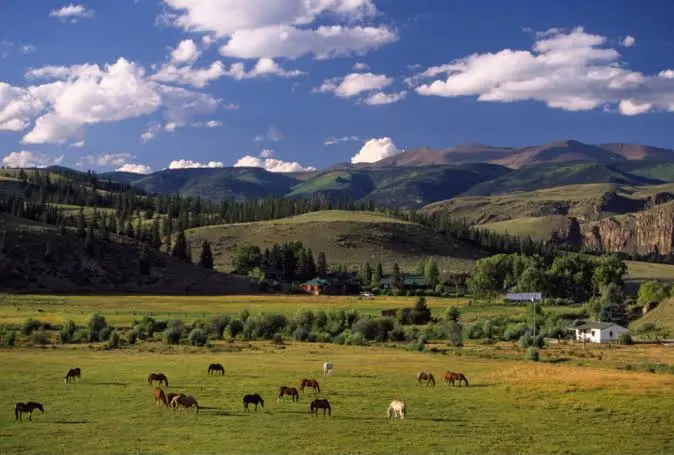
Colorado offers opportunities for both types of properties, from the foothills west of Denver to larger agricultural parcels on the Eastern Plains and horse properties throughout Douglas, Elbert, Jefferson, Adams, Weld, and Arapahoe counties. Understanding the differences can help you make a decision that aligns with your goals.
What Is Raw Land?
Raw land is property that has not been significantly developed. In many cases, it has no utilities, no driveway, no well, no septic system, and sometimes limited road access.
Some parcels are completely untouched, while others may have basic fencing or natural improvements.
Many buyers are drawn to raw land because it offers flexibility. You have the opportunity to create something that matches your vision instead of adapting to existing improvements.
Common reasons people buy raw land include:
- Building a custom home
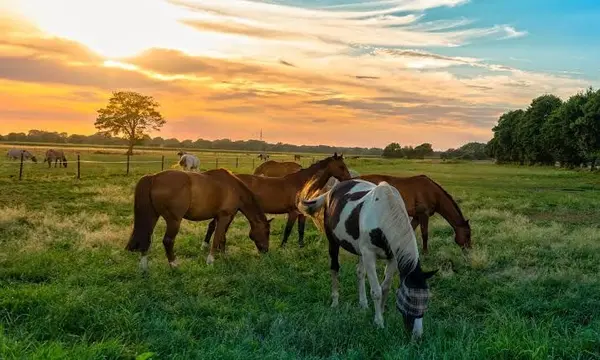
- Creating a horse property
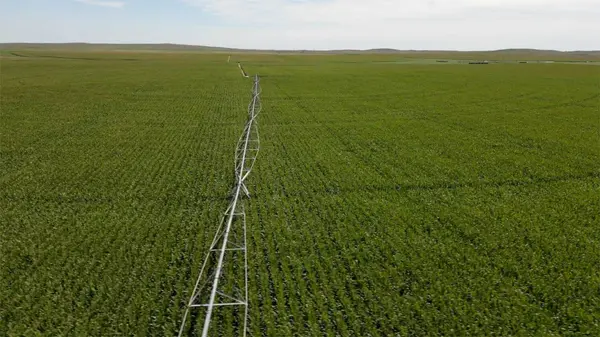
- Agricultural use
- Long-term investment
- Recreation and outdoor enjoyment
The tradeoff is that purchasing raw land often requires additional planning before construction or development can begin.
What Is Improved Land?
Improved land has already gone through at least some level of development.
Depending on the property, improvements may include:
- Electrical service
- Well
- Septic system
- Road or driveway access
- Grading
- Fencing
- Barns or outbuildings
- Existing homes
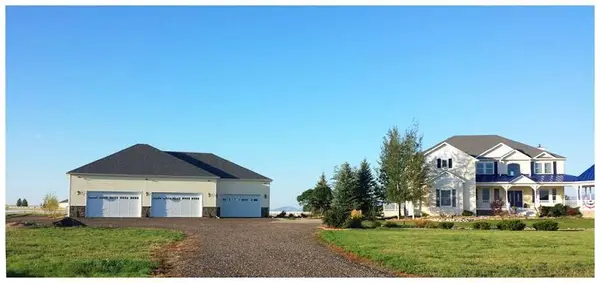
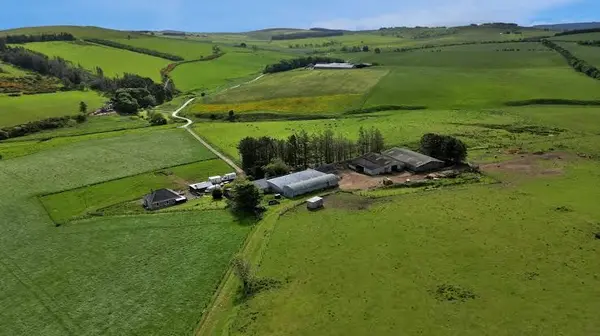
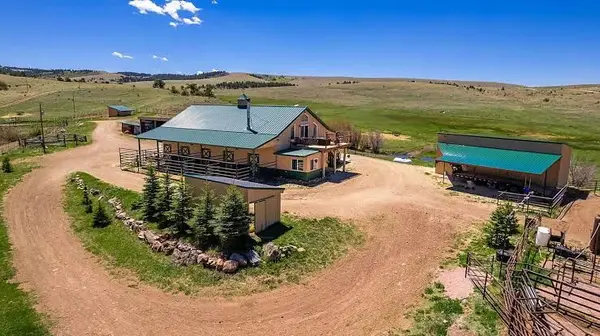
Some improved properties are nearly ready for construction, while others already function as working ranches or established horse properties.
Although improved land generally costs more upfront, buyers sometimes appreciate knowing that certain infrastructure is already in place.
What Is the Biggest Difference Between Raw and Improved Land?
The biggest difference is preparation.
Raw land gives you a blank slate.
Improved land provides a head start.
Neither option is automatically better.
Everyone defines value differently. Someone who enjoys designing every detail may prefer raw land, while another buyer may prioritize convenience and a faster timeline.
The best choice depends on your personal investment goals.
How Does Each Option Affect Your Budget?
Purchase price is only one piece of the overall investment.
Raw land often has:
- Lower purchase prices
- Lower property taxes in some situations
- Higher future development costs
- Additional permitting expenses
Improved land may include:
- Higher purchase prices
- Existing infrastructure
- Lower initial development expenses
- Faster project timelines
One buyer may save money purchasing raw acreage, then invest gradually over several years.
Another buyer may find that paying more upfront reduces uncertainty later.
Looking at the total project cost, rather than only the purchase price, often provides a more complete picture.
If you're beginning your planning process, some clients like to begin here:
https://www.yourwunderhome.com/get-pre-approved
Understanding your financing options early can help narrow your search before you start touring properties.
How Does Zoning Affect Land Purchases in Colorado?
Zoning is one of the most important considerations when buying land.
Colorado counties have different zoning regulations, and rules can vary significantly even between neighboring communities.
Before purchasing any parcel, it's worth researching:
- Residential zoning
- Agricultural zoning
- Horse allowances
- Livestock restrictions
- Minimum lot sizes
- Building setbacks
- Short-term rental regulations
- Future development plans
For example, a property marketed as rural may still have restrictions on the number of horses or agricultural activities allowed.
Every county has its own planning department, and reviewing local regulations early can help avoid surprises.
Can Raw Land Become a Horse Property?
Absolutely. Many horse owners specifically look for raw land because it allows them to design the property around their needs.
Potential improvements might include:
- Barn placement
- Indoor or outdoor arenas
- Pastures
- Cross fencing
- Equipment storage
- Riding trails
- Water systems
However, creating a horse property also requires evaluating practical considerations such as drainage, soil conditions, access, water availability, and zoning.
These factors vary widely across Colorado.
What works well in Douglas County may differ from what makes sense in Elbert County or Weld County.
What Should Investors Consider?
Investment goals vary from person to person.
Some buyers are focused on appreciation.
Others prioritize income potential.
Some simply want a place to build a future home.
Questions worth asking include:
How long do you plan to hold the property?
Raw land may appeal to buyers with longer investment timelines.
Improved land may better fit someone hoping to begin using the property sooner.
Will the property generate income?
Agricultural leases, horse boarding, rental homes, or future development opportunities can all influence investment decisions.
How much involvement do you want?
Developing raw land often requires coordinating contractors, permits, surveys, utilities, and inspections.
Some buyers enjoy that process.
Others prefer purchasing a property that's already functional.
What Colorado-Specific Factors Should Buyers Evaluate?
Colorado land purchases often involve considerations that buyers from other states may not expect.
Some of the most common include:
Water Rights
Water rights can influence agricultural operations, irrigation, livestock, and future land use.
Not every property includes transferable water rights, so it's important to understand what is included with the purchase.
Well Permits
Some rural properties require obtaining or transferring well permits.
The intended use of the property can affect permit eligibility.
Septic Systems
Many rural homes rely on septic systems rather than municipal sewer service.
Knowing the condition and capacity of an existing system can be valuable when evaluating improved land.
Road Access
Some parcels have county-maintained roads.
Others rely on private easements or shared access agreements.
Understanding year-round accessibility is especially helpful if you plan to build.
Utilities
Electricity, natural gas, fiber internet, and water availability vary widely throughout Colorado.
Extending utilities can become a significant part of a development budget.
Is Rural Living Right for You?
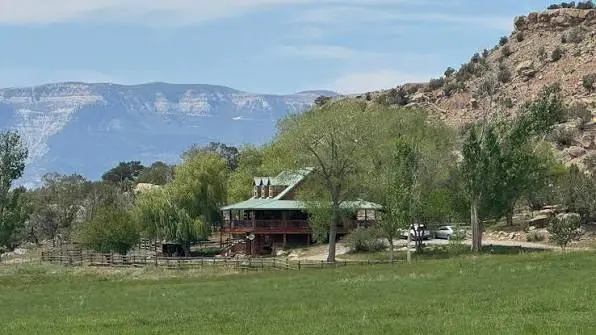
Many people are attracted to Colorado's rural lifestyle.
Open space.
Mountain views.
Room for horses.
Privacy.
At the same time, rural living often comes with different day-to-day considerations than suburban neighborhoods.
Commute times may be longer.
Snow removal may become your responsibility.
Internet availability can vary.
Emergency services may be farther away.
Everyone prioritizes these tradeoffs differently.
Some buyers happily exchange convenience for additional acreage.
Others prefer living closer to Denver while still enjoying larger lots.
If you'd like to explore available properties throughout Denver and surrounding communities, you can browse available homes here:
https://www.yourwunderhome.com/listing
How Do Buyers Usually Decide Between Raw and Improved Land?
Many of our conversations with buyers begin with lifestyle questions instead of property questions.
For example:
- Do you want to build immediately?
- Are horses part of your future plans?
- Would you rather renovate than build?
- How involved do you want to be during development?
- Is privacy more important than convenience?
The answers often point buyers toward one option more naturally than comparing price alone.
Real estate decisions rarely come down to one single factor.
Instead, they usually involve balancing budget, lifestyle, flexibility, and long-term plans.
What Mistakes Can Buyers Avoid?
Buying land is different from buying an existing home.
Some helpful steps include:
- Review zoning before making an offer.
- Verify utility availability.
- Understand access easements.
- Research water rights when applicable.
- Estimate development costs early.
- Talk with local builders if construction is part of your plan.
- Consider future resale potential.
Taking time to understand these details can help you make a more informed decision.
If you're still exploring different possibilities, you can start here:
https://www.yourwunderhome.com/
Many buyers begin by learning about the local market before narrowing their search.
Final Thoughts
Raw land and improved land each offer unique opportunities in Colorado.
Some buyers appreciate the flexibility that comes with a blank canvas.
Others prefer the convenience of existing infrastructure.
Neither approach is universally right or wrong.
What matters most depends on your investment goals, lifestyle, budget, and timeline.
Whether you're considering a horse property, agricultural acreage, a future custom home, or a long-term investment, taking the time to evaluate how each property supports your priorities can make the decision much clearer.
If you're thinking about buying or selling land or a home in the Denver area, we're always happy to be a resource.
No pressure, just guidance when you need it.
Learn more at:
https://www.yourwunderhome.com/
Frequently Asked Questions
- Is raw land or improved land a better investment in Colorado?
- There isn't one answer that fits everyone. Raw land may offer more flexibility and lower initial purchase prices, while improved land may reduce development time and infrastructure costs. The right choice depends on your goals, timeline, and intended use.
- Does improved land always cost more?
- Improved land often has a higher purchase price because utilities, access, or existing structures may already be in place. Looking at the total cost of ownership, including future development expenses, can provide a more complete comparison.
- Can I build a horse property on raw land?
- In many cases, yes. However, you'll want to review local zoning regulations, water availability, access, utilities, and any county-specific requirements before purchasing.
- What should I research before buying rural land in Colorado?
- Many buyers explore zoning, water rights, easements, utility availability, road access, well permits, septic requirements, and future land use plans. These details can vary depending on the county and the specific property.
- Should I work with a real estate agent when buying land?
- Land transactions often involve different considerations than purchasing an existing home. Having guidance from someone familiar with Colorado's rural and land markets can help you evaluate the factors that matter most for your goals.
Categories
Recent Posts