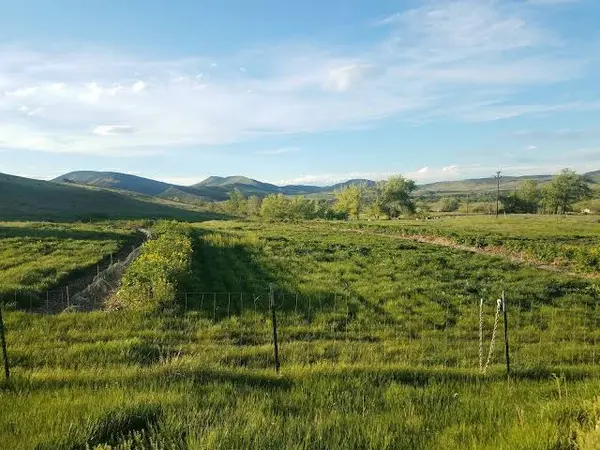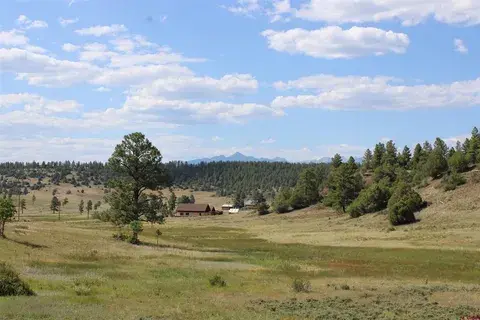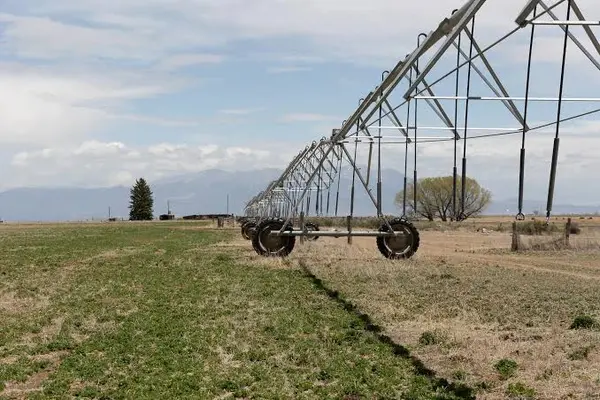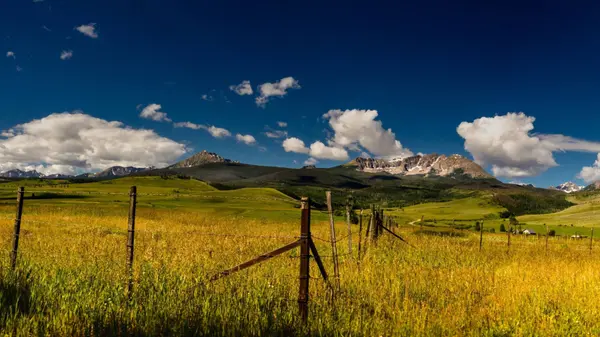
How to Tell if Colorado Land Will Actually Work for Your Lifestyle
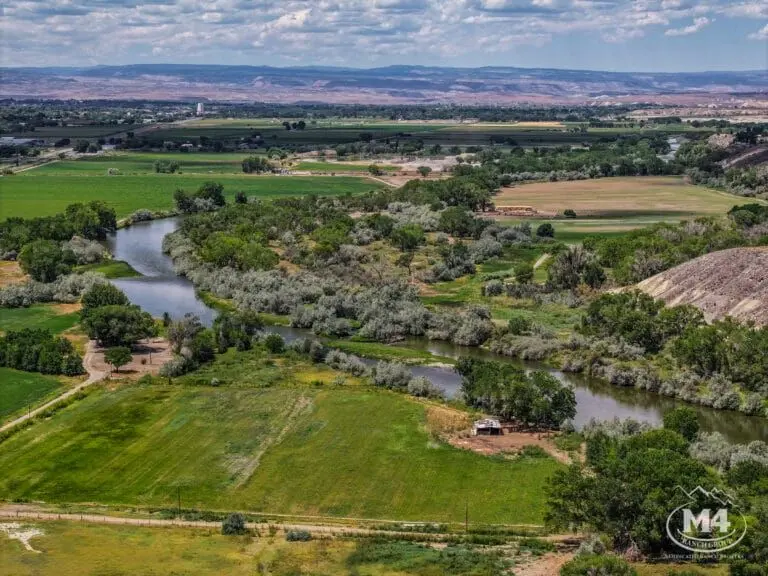
Buying land in Colorado is about more than finding enough acreage. The right property depends on how you plan to use it, whether that means keeping horses, raising animals, growing crops, enjoying privacy, building a home, or simply having more room to live.
Before buying, look closely at zoning, permitted land uses, water, access, utilities, topography, agricultural potential, and the practical realities of maintaining acreage. What works beautifully for one buyer may not make sense for another.
What does “the right piece of land” actually mean?
One of the most common mistakes we see buyers make is starting with acreage instead of lifestyle.
It is easy to think, “I want 10 acres,” and then begin searching for properties that meet that number. But acreage alone does not tell you whether a property will support the life you have in mind.
For example, two 10-acre properties could function very differently.
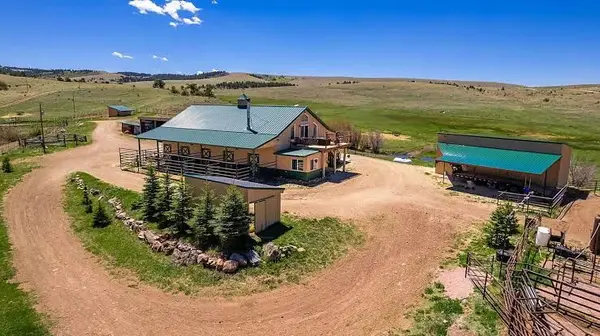
One might have relatively flat terrain, a productive well, usable fencing, outbuildings, good road access, and zoning that accommodates your plans. Another might have steep or rocky terrain, limited water, difficult access, or land-use restrictions that make your plans much more complicated.
Before looking at properties, ask yourself:
- Do I want horses?
- Do I want livestock or other animals?
- Am I interested in agriculture?
- Do I want to build a home?
- Do I need room for a shop, barn, arena, or additional structures?
- How important is privacy?
- How far am I willing to drive for work, school, groceries, and services?
- Do I want rural living, or would a larger suburban property accomplish most of the same goals?
- Am I buying primarily for lifestyle, investment, or a combination?
Those answers can change what you should prioritize.
How much land do you really need?
There is no universal acreage number that works for every Colorado buyer.
Someone who wants a few horses may have very different requirements from someone hoping to establish a small agricultural operation. A buyer who primarily wants privacy may care more about neighboring properties and the surrounding landscape than the exact acreage.
The usable portion of the property matters, too.
Ten acres of relatively level ground may provide more practical flexibility than a larger parcel with significant slopes, wetlands, rock, drainage concerns, or other physical limitations.
When evaluating acreage, look beyond the number on the listing. Consider:
- Usable land: How much can realistically be used for your intended purpose?
- Topography: Is the property flat, rolling, or steep?
- Soils: Could the land support the agricultural uses you have in mind?
- Fencing: Is existing fencing suitable for horses or livestock?
- Access: Can you comfortably reach the property year-round?
- Water: What water source serves the property, and what rights or permits are involved?
- Structures: Are barns, sheds, shops, or other improvements already present?
- Neighbors: How close are surrounding homes and what are the neighboring land uses?
A property can look ideal online and feel very different when you walk it.
Can you actually use the land the way you want?
This is one of the most important questions to answer before falling in love with a property.
Land is not automatically available for every use simply because you own it.
Colorado properties can be subject to county or municipal zoning, subdivision rules, building regulations, HOA or covenant restrictions, conservation easements, and other land-use requirements.
If your goal is to keep horses, operate an agricultural use, build additional structures, or establish a particular type of business, verify that intended use before assuming it will be allowed.
Why is zoning important when buying Colorado land?
Zoning helps determine what activities and structures may be permitted on a property.
The specific rules depend on the property's jurisdiction. A property in Douglas County may have different requirements from one in Jefferson County, Elbert County, Weld County, or another surrounding community.
Even properties relatively close to one another can have different regulations.
That is why we encourage buyers to ask specific questions rather than relying on a listing description.
Instead of simply asking, “Is this horse property?” consider asking:
- How many horses are permitted?
- Are there restrictions on livestock?
- Are barns or arenas allowed?
- What setbacks apply to structures?
- Are additional dwelling units permitted?
- Can I build a shop?
- Are there restrictions on agricultural activity?
- Are there HOA or covenant requirements?
- Does a conservation easement affect future improvements?
The answers can significantly affect whether the property fits your plans.
What should you know about water before buying Colorado land?
Water deserves special attention in Colorado.
A property may have a well, a shared water system, municipal water, surface water rights, irrigation water, or some combination of these. These are not necessarily interchangeable.
If you are considering acreage for horses, agriculture, landscaping, or a rural home, understand where the property's water comes from and what documentation applies.
For example, a buyer may assume that having a well means they can use unlimited water for whatever purpose they choose. That is not necessarily the case.
Well permits and water rights can place limits on use.
Before purchasing, buyers should investigate the applicable records and understand what the property's water supply is intended to support. Depending on the property, professional assistance from a title company, water attorney, well professional, engineer, or other qualified specialist may also be appropriate.
This is one area where careful due diligence can be particularly valuable.
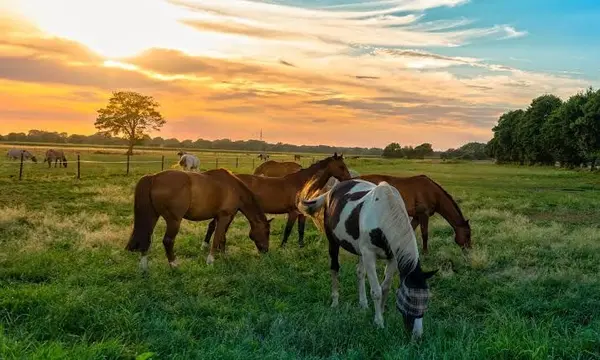
Will the property work for horses?
A horse property is more than a house with a few acres.
If horses are part of your plans, evaluate the entire property as an equestrian property.
Consider:
- Existing stalls and barn condition
- Fencing and gates
- Pasture quality
- Water availability
- Hay storage
- Manure management
- Trailer access
- Turnaround space
- Arena location
- Drainage
- Winter access
- Distance from the house to the barn
- Potential for future improvements
Colorado's climate also matters. Snow, wind, heat, mud, and seasonal pasture conditions can affect how a property functions throughout the year.
A beautiful pasture in June may present very different management considerations in January.
If you are buying your first horse property, it can be helpful to visit properties during different seasons or talk with professionals who understand equestrian infrastructure.
Is rural living near Denver right for you?
For many buyers, the appeal of Colorado acreage is having more space while remaining within reasonable reach of the Denver metro area.
Communities and areas surrounding Denver can offer very different versions of rural living.
Depending on your priorities, you might explore areas around Parker, Castle Rock, Elizabeth, Franktown, Bennett, Brighton, Mead, Erie, Golden, or other communities along the Front Range. Each area has its own mix of development patterns, land availability, commute considerations, services, and land-use regulations.
The important question is not simply, “How far is it from Denver?”
Instead, ask:
“What does an average Tuesday look like here?”
How long will it take to get to work?
Where will you buy groceries?
How far is the nearest veterinarian?
What happens when you need a contractor?
How much time will you spend maintaining the property?
How comfortable are you with snow removal, well systems, septic systems, private roads, and other rural infrastructure?
These practical details can matter just as much as the view.
What is different about rural versus suburban living?
Rural living can provide privacy, space, animals, views, and a stronger connection to the land. It can also come with responsibilities that buyers sometimes underestimate.
A suburban home might have municipal water, sewer, paved roads, sidewalks, and relatively predictable landscaping requirements.
A rural property may involve a private well, septic system, gravel roads, private maintenance agreements, irrigation equipment, fences, gates, snow removal, and larger areas to maintain.
Neither lifestyle is inherently better.
It depends on what you want your daily life to look like.
For some buyers, maintaining acreage is part of the appeal. For others, the ongoing work becomes a burden after the excitement of moving wears off.
That is why we recommend evaluating the lifestyle, not just the property.
What infrastructure should you investigate before buying land?
Infrastructure is easy to overlook when the property has beautiful mountain views or plenty of space.
Before purchasing, determine how the property is served by:
- Electricity
- Natural gas or propane
- Internet
- Water
- Septic or sewer
- Roads
- Drainage
- Trash service
- Snow removal
If you are considering raw or partially improved land, utility availability can become a major part of the overall cost and timeline for development.
Do not assume that because a utility exists nearby, connecting to it will be simple or inexpensive.
Ask the appropriate utility providers or qualified professionals for property-specific information.
How should you evaluate access and easements?
Legal access and practical access are both important.
A property may have an easement providing access across another parcel, for example. The existence of an easement does not necessarily answer every question about how that road is maintained or who is responsible for improvements.
Look into:
- Recorded access easements
- Road maintenance agreements
- Shared driveways
- Gate access
- Seasonal road conditions
- Emergency access
- Snow removal responsibilities
- Who maintains private roads
A driveway that feels perfectly manageable during a summer showing may present different challenges after a heavy Colorado snowstorm.
Reviewing title documents and recorded easements during due diligence can help you understand what you are actually purchasing.
What about agriculture and soil quality?
If agriculture is part of your vision, do not judge the property's potential based solely on acreage.
Soil, water, climate, topography, drainage, fencing, and access can all affect agricultural viability.
You may want to research soil information, historic land use, irrigation, water availability, and local agricultural regulations.
For example, a property marketed as having agricultural characteristics may not necessarily support the specific crops or livestock operation you have imagined.
If agricultural production is a significant part of your plan, consider speaking with an agricultural professional or other specialist who can evaluate the property according to your intended use.
If you want to explore available options, you can start here: Your Wunder Home
What due diligence should you complete before buying Colorado land?
Once you identify a property that appears to fit, slow down and investigate the details.
Depending on the property and intended use, due diligence may include reviewing:
- Zoning and land-use regulations
- Well permits and water information
- Septic records and system condition
- Survey and property boundaries
- Title commitment and recorded easements
- HOA or covenant documents
- Floodplain or drainage information
- Soils and agricultural information
- Utility availability
- Building restrictions and permitting requirements
Not every property requires the same level of investigation.
The right questions depend on what you plan to do with the land.
Some clients like to begin here when thinking through their next move: Browse Available Listings
What is the biggest mistake buyers make with Colorado acreage?
One of the biggest mistakes is buying the property they can imagine rather than the property they can realistically use.
It is easy to picture the barn, horses, garden, workshop, guest house, or dream home.
The important step is determining whether the property can legally and practically support those plans.
Before making an offer, separate your must-haves, nice-to-haves, and future ideas.
For example:
Must-have: Enough usable land for your horses.
Nice-to-have: Existing barn.
Future idea: Building an arena.
Then investigate each one separately.
That approach can prevent an exciting property from becoming an expensive lesson.
How do you know whether Colorado land fits your lifestyle?
Start with your daily life, then work backward toward the property.
Think about what you want to do on the land, how often you want to maintain it, how far you want to travel, and which compromises you are comfortable making.
Everyone defines the ideal Colorado lifestyle differently.
For one person, it might mean waking up to mountain views with horses in the pasture. For another, it might mean a large lot, a workshop, and a 30-minute commute. Someone else may discover that a suburban home with nearby trails gives them most of what they want without the responsibilities of acreage.
There is no single right answer.
What matters most depends on your goals, budget, timeline, and tolerance for property maintenance.
The best land search is usually not about finding the most acreage. It is about finding land that works with the life you actually want to live.
If you are considering buying or selling land, a horse property, agricultural property, rural home, or residential property around Denver, we are happy to be a resource. You can also learn more about what past clients have shared here: Client Reviews
FAQ
- What should I check first when buying land in Colorado?
- Start with your intended use, then verify zoning, water, access, utilities, and any HOA, covenant, or easement restrictions. If you want horses, livestock, agriculture, or additional structures, make sure those specific uses are permitted before assuming the property will work.
- Can I keep horses on Colorado acreage?
- Possibly, but the answer depends on the property's zoning, local regulations, recorded restrictions, and physical characteristics. Buyers should verify the number and type of animals permitted, along with requirements for barns, fencing, setbacks, manure management, and other improvements.
- Is more acreage always better for rural living?
- Not necessarily. More land can provide additional privacy and flexibility, but it can also mean more maintenance, higher infrastructure costs, and greater distances from services. Usable acreage and compatibility with your goals can be more important than the total number of acres.
- What should I know about wells and water rights before buying Colorado land?
- A well does not automatically mean unlimited water use. Well permits and water rights can affect how water may be used. Buyers should review the property's specific water documentation and consider appropriate professional advice when water is an important part of the property's intended use.
- Should I choose rural or suburban living near Denver?
- It depends on your priorities. Rural living may offer more space, privacy, and opportunities for animals or agriculture, while suburban living may provide easier access to services and less property maintenance. Consider your daily routine, commute, budget, and how much responsibility you want to take on with the land.
If you are thinking about buying or selling, Gabrielle and Ryan are happy to be a resource. No pressure, just guidance when you need it. Your Wunder Home
Categories
Recent Posts