How to Evaluate Acreage in Colorado Before You Buy
How to Evaluate Acreage in Colorado: What Buyers Often Overlook
Buying acreage in Colorado involves much more than comparing price and lot size. Factors like zoning, water rights, access, utilities, topography, and future land use often have a bigger impact on how you can enjoy and use the property than the number of acres alone.
For many buyers, acreage represents freedom, privacy, and room to create a lifestyle that fits their goals. Whether you're looking for a horse property, agricultural land, a future homesite, or simply more space, understanding what you're actually purchasing can help you make a more informed decision.
Why Doesn't Acreage Tell the Whole Story?
It's easy to assume that more acres automatically mean more value or more opportunity.
In reality, everyone defines value differently.
Two properties with the same acreage can offer very different experiences depending on how the land is laid out and what you hope to do with it.
For example:
- One 40-acre parcel may be mostly usable pasture.
- Another 40-acre parcel may include steep hillsides, rocky terrain, or protected open space.
- One property may already have utilities nearby.
- Another may require significant infrastructure before construction is possible.
The acreage number is simply one part of the bigger picture.
What Should You Look at Besides the Number of Acres?
When evaluating land, I always recommend exploring data that aligns with your priorities.
Several factors often deserve just as much attention as the acreage itself.
Usable Land
One of the first questions many buyers ask is:
"How much of the property can actually be used?"
Some land may include:
- Floodplain
- Wetlands
- Steep slopes
- Dense trees
- Rock outcroppings
- Drainage areas
These features aren't necessarily drawbacks. They simply affect how the land may be used.
If you're planning to build, keep horses, or farm, understanding usable acreage can be especially helpful.
Topography
Colorado offers incredible landscapes, but elevation changes can influence construction costs and future plans.
Gentle rolling land may be ideal for:
- Horse facilities
- Barns
- Arenas
- Gardens
- Future homesites
Steeper terrain may provide beautiful views while requiring additional grading or engineering before building.
Neither option is automatically better.
What matters most depends on your goals.
How Important Is Zoning?
Zoning is one of the most overlooked aspects of buying acreage.
Every county has its own land use regulations.
The same five-acre parcel may allow horses in one county but have different restrictions in another.
Before purchasing acreage, it's worth reviewing:
- Agricultural zoning
- Residential zoning
- Minimum lot sizes
- Livestock allowances
- Building setbacks
- Accessory buildings
- Home business regulations
- Short-term rental rules
Understanding these regulations early can help you evaluate whether a property fits your long-term plans.
Do Water Rights Matter?
For many rural properties in Colorado, they absolutely can.
Water rights often influence:
- Irrigation
- Agricultural production
- Livestock
- Future land improvements
Not every property includes transferable water rights.
Some include wells.
Others rely on shared water systems or different water sources.
Because every property is unique, reviewing the available documentation can provide valuable clarity before making an offer.
What About Utilities?
One of the biggest surprises for first-time land buyers is learning that utilities aren't always nearby.
It's worth confirming the availability of:
- Electricity
- Natural gas
- Internet service
- Water
- Septic options
Extending utilities can become a meaningful part of your overall budget.
For buyers planning a future custom home, these conversations are often worth having early in the process.
Some clients like to begin here:
https://www.yourwunderhome.com/get-pre-approved
Understanding financing and your overall budget can make it easier to evaluate properties with different infrastructure needs.
How Does Road Access Affect a Property?
Access is another factor that's easy to overlook until later.
Some acreage includes:
- County-maintained roads
- Private roads
- Shared driveways
- Recorded easements
It's also helpful to understand how the property is accessed during winter weather and whether maintenance responsibilities are shared or privately managed.
For buyers planning year-round living, these details can influence everyday convenience.
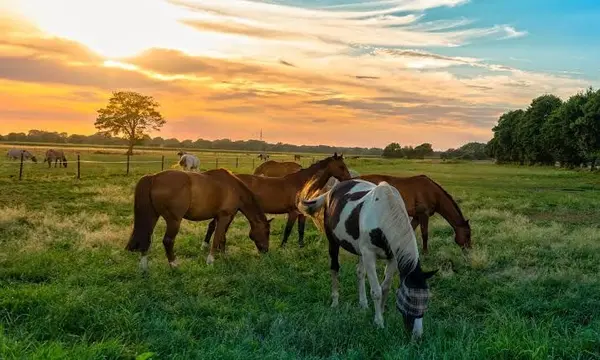
Can Every Acre Be Used for Horses?
Many buyers searching for horse properties focus on acreage first.
In reality, several additional factors matter.
Examples include:
- Soil quality
- Drainage
- Existing fencing
- Water availability
- Shelter
- Pasture layout
- Arena space
- Trailer access
A smaller parcel with thoughtful improvements may better support your equestrian goals than a larger parcel with significant limitations.
Everyone prioritizes these features differently.
How Does Rural Living Compare to Suburban Living?
Many buyers moving from Denver or nearby suburbs are excited about having more land.
At the same time, rural living often comes with different expectations.
Some differences include:
- Longer drive times
- Well and septic systems
- Snow removal responsibilities
- Wildlife encounters
- Limited utility providers
- Greater privacy
- More room for outdoor activities
Neither lifestyle is universally better.
What matters most depends on how you want to spend your time and what kind of daily routine feels right for you.
If you're beginning your search, you can browse available homes here:
https://www.yourwunderhome.com/listing
What Should Investors Consider When Evaluating Acreage?
Investment goals vary from buyer to buyer.
Some investors are looking for long-term appreciation.
Others want agricultural income or future development opportunities.
Questions worth considering include:
How long do you plan to own the property?
Long-term plans often influence which features deserve the most attention.
Could nearby development affect the property?
Future roads, neighborhoods, or commercial growth may influence how an area changes over time.
Will improvements increase your enjoyment or flexibility?
Adding fencing, barns, utilities, or a home may align with your goals depending on how you plan to use the property.
Exploring county planning documents can provide additional insight into future land use.
What Questions Should Buyers Ask Before Making an Offer?
Experienced land buyers often ask questions that go beyond square footage.
For example:
- Where are the property boundaries?
- Are there existing surveys?
- What utilities are available?
- Are there easements?
- Is the land buildable?
- What are the zoning restrictions?
- Does the property include water rights?
- Are there HOA requirements?
- Are there seasonal access concerns?
These questions often help buyers evaluate whether a property aligns with both their current needs and future plans.
What Do Buyers Often Overlook?
Many buyers understandably focus on views, price, and acreage.
Some of the details that deserve equal attention include:
Property Boundaries
Knowing exactly where property lines are located can prevent confusion later.
Drainage
Drainage patterns may affect future construction or pasture use.
Neighboring Land Uses
Surrounding agricultural operations, conservation land, future development, or commercial properties may influence your experience.
Building Costs
Raw land often requires additional planning before construction begins.
Internet Availability
Reliable internet service has become an important consideration for many buyers who work remotely.
Looking beyond the listing photos often provides a more complete understanding of the property.
Why Local Knowledge Makes a Difference
Colorado's land market is incredibly diverse.
Properties west of Denver often differ significantly from acreage east of the city or farther north toward Weld County.
Each area has its own combination of zoning, terrain, water considerations, and development patterns.
Working with someone familiar with these differences can help you ask questions that may not immediately come to mind.
If you want to explore options, you can start here:
https://www.yourwunderhome.com/
You'll also find reviews from past clients here:
https://www.yourwunderhome.com/reviews
Final Thoughts
Evaluating acreage is about much more than counting acres.
The most enjoyable property for one buyer may look completely different from the ideal property for someone else.
Everyone defines value differently.
Whether you're searching for a horse property, agricultural land, a future custom homesite, or simply more space outside Denver, taking time to understand zoning, utilities, water, access, and land use can help you make a confident decision.
If you're thinking about buying or selling in Denver or the surrounding Colorado communities, we're happy to be a resource.
No pressure, just guidance when you need it.
Learn more at:
https://www.yourwunderhome.com/
Frequently Asked Questions
- How do you evaluate acreage before buying land in Colorado?
- Start by looking beyond the acreage itself. Review zoning, usable land, topography, utilities, access, water rights, and any restrictions that could affect how you plan to use the property.
- Why is usable acreage more important than total acreage?
- Not every portion of a property may be suitable for building, farming, or keeping horses. Terrain, floodplains, and protected areas can influence how much of the land supports your goals.
- Can I keep horses on any acreage in Colorado?
- Not necessarily. Horse allowances often depend on local zoning regulations, lot size requirements, and county rules. Reviewing these details before purchasing can help avoid surprises.
- What should I ask before buying rural land?
- Questions about utilities, water rights, easements, property boundaries, road maintenance, zoning, and future development plans can provide valuable insight into the property's long-term potential.
- Is rural acreage a good investment?
- Investment goals vary from person to person. Some buyers prioritize long-term appreciation, while others focus on lifestyle, agricultural use, or building a custom home. Evaluating the property in the context of your own priorities is often the most helpful approach.
Categories
Recent Posts