Buying Land Near Denver vs Going Further Out: How the Lifestyle Changes
Buying land near Denver and buying acreage farther out in Colorado can create very different lifestyles, even when the properties look similar on paper. Land closer to Denver may offer easier access to jobs, services, and amenities, while going farther out may provide more acreage, privacy, and rural flexibility.
The right choice depends on what you want your land to do for you. For some buyers, a shorter commute is worth paying more for a smaller parcel. For others, having room for horses, agricultural use, outbuildings, or simply more open space may make the additional distance worthwhile.
The Distance From Denver Changes More Than the Commute
When buyers start looking for acreage around Denver, the first comparison is often price per acre.
That makes sense, but it only tells part of the story.
As you move farther from the Denver metro area, the relationship between land, infrastructure, services, and lifestyle can change considerably.
A property 30 minutes from Denver may feel very different from one that is an hour or more away. You may have different options for acreage, different zoning regulations, different road conditions, and different access to utilities and services.
This is particularly noticeable for buyers looking for horse properties or agricultural land.
Someone who wants two or three horses, a barn, and a manageable commute may have very different priorities from someone looking for 40 acres, significant pasture, and a more self-directed rural lifestyle.
Everyone defines rural living differently.
The goal isn't necessarily to find the property that offers the most land. It's to understand what you're gaining and giving up as you move farther from the city.
Land Near Denver Often Prioritizes Convenience
Acreage close to Denver can appeal to buyers who want a rural lifestyle without completely disconnecting from the metro area.
Depending on the location, buyers may find acreage in communities and areas surrounding Denver, including parts of Douglas County, Arapahoe County, Jefferson County, Adams County, and areas east and southeast of the metro.
These properties can offer a combination of open space and accessibility.
For example, a buyer may want enough land for horses but still need to commute into Denver several days a week. Another buyer may want a larger lot for privacy while keeping schools, shopping, medical services, and restaurants relatively accessible.
The closer-in acreage market can also include properties where existing infrastructure is already in place.
That might mean:
- An existing home
- A barn
- Fencing
- Established utilities
- A well
- A septic system
- Existing driveways
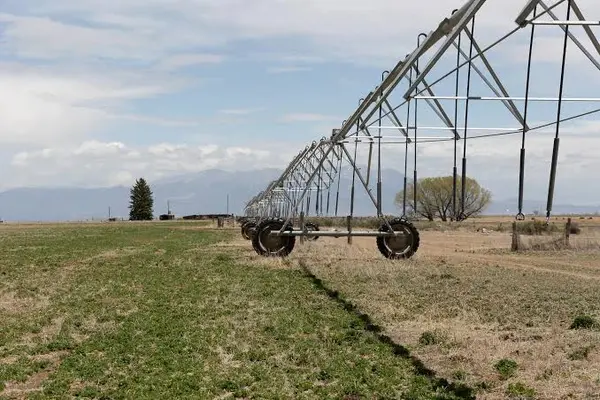
- Irrigation infrastructure
These improvements don't automatically make one property a better investment than another. They simply change what you're buying and what you may need to build or maintain after closing.
Going Farther Out Can Change the Meaning of Acreage
As buyers move farther from Denver, larger parcels may become more practical to consider.
Areas farther east and southeast of the metro, including portions of Elbert County, Lincoln County, and surrounding communities, can offer a different relationship with land.
For some buyers, the appeal is straightforward.
They want more room.
That could mean:
- More pasture
- More privacy
- Larger agricultural areas
- Space for multiple horses
- Room for barns and equipment
- Fewer nearby homes
- More flexibility for outdoor activities
But additional acreage can also mean additional responsibility.
A larger property may require more fencing, road maintenance, landscaping, snow removal, equipment, and general upkeep.
The important question isn't simply how much land you can purchase.
It's how much land you actually want to own and manage.
Horse Properties Require a Different Kind of Location Analysis
For horse owners, the location decision becomes even more specific.
A property farther from Denver may offer more acreage and potentially more room for pasture, but the location also affects everyday horse care.
Consider the distance to:
- Equine veterinarians
- Farriers
- Feed stores
- Hay suppliers
- Boarding facilities
- Training facilities
- Riding arenas
- Trail systems
- Horse shows and events
If you trailer frequently, road access becomes especially important.
A property that looks perfect on a map may become less convenient if getting a large trailer in and out involves narrow roads, steep driveways, or difficult turns.
On the other hand, some horse owners may happily accept a longer drive in exchange for additional pasture and privacy.
What matters most depends on how you actually use your horses.
Acreage, Usable Land, and Property Layout
Total acreage should always be considered alongside usable acreage.
A 20-acre property isn't necessarily 20 acres of usable pasture.
The land could include:
- Steep slopes
- Rocky areas
- Drainage areas
- Trees
- Wetlands
- Floodplain
- Easements
- Areas with limited access
None of these features automatically make a property undesirable.
They simply affect how the land can be used.
For a horse owner, the location of the barn, fencing, water, pasture, and riding areas may matter more than the total acreage.
For an agricultural buyer, soil, irrigation, water availability, and land configuration may deserve more attention.
For an investor, surrounding development and future land use may become more important.
I always recommend evaluating the property based on your intended use rather than relying on acreage alone.
Zoning and Land Use Become Increasingly Important
Colorado does not have one simple statewide definition of what you can do with agricultural or rural land.
Land use regulations are largely handled at the local level, so zoning can vary significantly between counties and municipalities.
That means a property near Denver may have different rules than a similar parcel farther east.
Before buying acreage, it's worth reviewing:
- Zoning classification
- Minimum lot size
- Livestock allowances
- Horse regulations
- Agricultural uses
- Accessory structures
- Barn requirements
- Building setbacks
- Home occupation rules
- Subdivision potential
- Additional dwelling regulations
If you have a specific plan, such as keeping horses, building a barn, operating a small agricultural business, or eventually constructing another home, that plan should be evaluated against the property's actual zoning.
A listing description isn't a substitute for confirming land use requirements.
Water Becomes a Major Part of the Conversation
Water deserves special attention when comparing Colorado acreage.
Depending on the property, buyers may encounter wells, irrigation systems, water rights, shared water systems, or other arrangements.
The availability and type of water can influence how the property functions.
For example, a buyer interested in horses may care about reliable livestock watering. Someone interested in agriculture may place greater importance on irrigation. A buyer planning a future home will also need to understand domestic water and wastewater options.
Water rights and well permits are not interchangeable, and the details can be complicated.
This is an area where reviewing the property's documentation and working with the appropriate professionals can be particularly helpful.
Utilities Can Change the True Cost of Rural Land
One of the biggest differences between suburban property and rural acreage is infrastructure.
A suburban home may already be connected to municipal water, sewer, electricity, natural gas, and other services.
A rural property may rely on:
- A private well
- Septic
- Propane
- Private roads
- Individual utility connections
- Alternative internet providers
A vacant parcel can require even more planning.
Electricity may need to be extended. A well may need to be permitted or drilled. A septic system may require soil testing and approval.
These costs vary significantly by property.
That's why comparing two parcels strictly by purchase price can sometimes create an incomplete picture.
Some clients like to begin with their financing options before comparing properties:
https://www.yourwunderhome.com/get-pre-approved
Understanding your overall budget can help you account for both the purchase and the improvements you may want to make afterward.
Rural Living Comes With More Independence and More Responsibility
Moving farther from Denver can provide a stronger sense of privacy and independence.
It can also mean taking on responsibilities that may be handled by others in a suburban neighborhood.
Depending on the property, those responsibilities can include:
- Snow removal
- Private road maintenance
- Well maintenance
- Septic maintenance
- Fence repairs
- Pasture management
- Tree maintenance
- Equipment upkeep
- Private driveway maintenance
For some buyers, this is part of the appeal.
They enjoy being responsible for their own property and having more control over how they use their land.
For others, maintaining a large rural property may become more work than they anticipated.
A realistic assessment of your time, budget, and interest in property maintenance can be just as important as the number of acres.
Commute Time Should Be Considered in Real-Life Terms
Buyers often say they are comfortable with a longer commute because they love the property.
That's understandable.
But it helps to think about the commute as part of your lifestyle rather than just a number on a map.
Consider how often you travel to Denver each week.
Then think about:
- Work
- School
- Sports
- Medical appointments
- Shopping
- Social activities
- Airport trips
- Horse-related activities
A 45-minute drive can feel very different when you're doing it occasionally versus twice a day.
This doesn't mean a longer commute is a bad choice.
It means the tradeoff should be intentional.
The Rural to Suburban Spectrum Is Bigger Than Many Buyers Expect
There isn't simply "Denver" and "the country."
There is a wide range of lifestyles in between.
A buyer might choose:
Acreage near the metro: More convenience, potentially smaller parcels, and easier access to services.
Semi-rural communities: More open space while remaining relatively connected to nearby towns and metro employment centers.
Rural acreage: Larger parcels, greater privacy, and potentially more agricultural or equestrian flexibility.
Remote rural land: Significant space and independence, but potentially more distance from services and infrastructure.
None of these options is automatically right or wrong.
The important part is knowing where you want to sit on that spectrum.
Investment Considerations Change With Location
Land can be both a lifestyle purchase and an investment, but those goals don't always point toward the same property.
A buyer focused on long-term appreciation may want to research population growth, infrastructure investment, surrounding development, and future land use.
A lifestyle buyer may care more about pasture, privacy, views, and the ability to keep horses.
An agricultural buyer may focus heavily on water, soils, access, and usable acreage.
Investors should also consider the costs associated with holding and improving land.
There can be property taxes, maintenance, fencing, insurance, utilities, and other expenses depending on the property.
I always recommend exploring data that aligns with your priorities rather than assuming that a lower price per acre automatically creates a stronger investment opportunity.
Examples of How Different Buyers Might Approach the Decision
Consider three hypothetical buyers.
The Denver Commuter With Horses
This buyer wants two horses and a rural feel but works in Denver most weekdays.
They may prefer a smaller property closer to the metro with an existing barn, good road access, and established utilities.
For them, convenience may be worth paying more for.
The Growing Horse Family
This buyer wants several horses, additional pasture, and room to build an arena or larger barn.
They may be more comfortable traveling farther from Denver if the property provides the land and flexibility they need.
The Agricultural Land Buyer
This buyer is interested in farming or ranching rather than simply having a large backyard.
Water rights, soils, zoning, agricultural use, and neighboring land uses may become more important than proximity to Denver.
These examples illustrate why there isn't one universal answer.
The property should be evaluated around the buyer's actual goals.
A Practical Checklist for Comparing Properties
When you're looking at land near Denver versus farther out, consider creating a simple comparison sheet.
Include:
Location
- Commute
- Nearby services
- Schools
- Veterinary care
- Feed and agricultural suppliers
Land
- Total acreage
- Usable acreage
- Topography
- Pasture
- Drainage
- Views and privacy
Infrastructure
- Electricity
- Well
- Septic
- Internet
- Roads
- Fencing
- Barns and outbuildings
Land Use
- Zoning
- Horse allowances
- Agricultural uses
- Building restrictions
- Easements
- HOA or deed restrictions
Future Plans
- Additional buildings
- Horses
- Agriculture
- Custom home
- Investment
- Resale
Putting these factors side by side can make it easier to see which tradeoffs actually matter to you.
If you want to explore available properties, you can browse available homes here:
https://www.yourwunderhome.com/listing
Making the Location Decision Based on Your Lifestyle
The best acreage decision isn't necessarily the property with the most land or the shortest commute.
It's the property that fits the life you're trying to create.
If you want a horse property but need to be in Denver regularly, proximity may carry more weight.
If your goal is to create a more self-sufficient agricultural lifestyle, additional acreage and rural infrastructure may matter more.
If you're purchasing as an investment, the surrounding area's future development and land use may deserve additional attention.
Everyone defines value differently.
Before making a decision, consider what you expect from the property five or ten years from now, not just what looks appealing during today's showing.
Final Thoughts
Buying land near Denver versus going farther out is ultimately a lifestyle decision as much as a real estate decision.
Closer-in acreage may provide a balance between open space and convenience. Going farther out may create opportunities for larger parcels, more privacy, and greater flexibility, while also bringing additional responsibilities and distance from everyday services.
There is no universal definition of the right rural property.
What matters most depends on your goals, your budget, your tolerance for maintenance, and how you plan to use the land.
If you're thinking about buying or selling acreage, a horse property, agricultural land, or a rural home in the Denver area or surrounding Colorado communities, we're happy to be a resource.
No pressure, just guidance when you need it.
You can learn more here:
https://www.yourwunderhome.com/
FAQ
- Is buying land farther from Denver less expensive?
- Price per acre can vary significantly by location and property characteristics. Going farther from Denver may provide access to larger parcels in some areas, but buyers should also consider infrastructure, water, access, improvements, and ongoing maintenance when comparing total costs.
- What areas near Denver are popular for acreage and horse properties?
- Acreage opportunities can be found in areas surrounding Denver, including portions of Douglas, Elbert, Arapahoe, Jefferson, Adams, and Weld counties. Each area has different characteristics, zoning regulations, infrastructure, and proximity to services.
- How does rural living change farther from Denver?
- Going farther out can provide more privacy, open space, and potentially larger parcels. It can also mean longer commutes, fewer nearby services, greater reliance on private infrastructure, and more responsibility for property maintenance.
- What should I check before buying rural land in Colorado?
- Buyers should review zoning, permitted land uses, water rights, well and septic considerations, legal access, easements, utilities, property boundaries, and future development plans. Horse owners should also review livestock regulations, fencing, pasture, barns, and trailer access.
- Is land farther from Denver a better investment?
- That depends on the investment strategy and the individual property. Buyers may want to consider factors such as surrounding development, infrastructure, zoning, water, holding costs, usable acreage, and long-term demand rather than relying on distance from Denver or price per acre alone.
Categories
Recent Posts