Buying Land in Colorado: First-Time Buyer Guide
Buying Land in Colorado: A Complete Guide for First-Time Land Buyers in Denver and Beyond
Buying land in Colorado involves more than just finding the right piece of property. You need to understand zoning, water access, utilities, and how you plan to use the land. What works best depends on your goals, whether you want to build, invest, or create a rural lifestyle.
Why Are More Buyers Looking at Land in Colorado?
Over the past few years, more buyers around Denver and surrounding areas have started looking beyond traditional homes.
Some are looking for:
- More space and privacy
- Flexibility to build
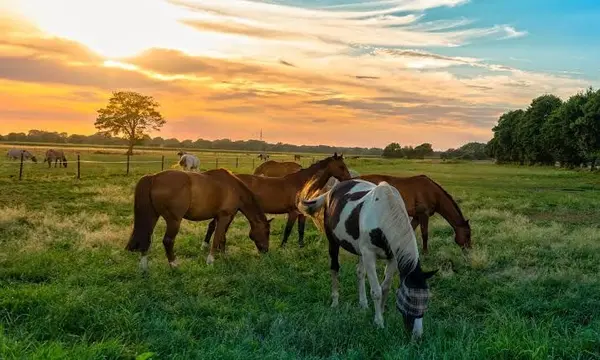
- Room for horses or agriculture
- Long-term investment opportunities
Others simply want a lifestyle change.
We often hear clients say they want a little more breathing room or a place that feels more connected to the outdoors.
Everyone defines that differently. What matters most depends on your goals and how you plan to use the land.
What Should You Know Before Buying Land in Colorado?
Buying land is not just about the property itself. It is about what you can actually do with it.
With a home, much of the functionality is already in place. With land, you are often creating that from the ground up.
That means doing a bit more research upfront.
How Does Zoning Affect What You Can Do With the Land?
Zoning is one of the first things we look at with clients.
It determines:
- Whether you can build a home
- Whether you can keep horses or livestock
- How the land can be used long term
In areas around Denver, zoning can vary widely even within short distances.
For example:
- Some parcels allow multiple structures
- Others may limit building size or use
- Agricultural zoning may allow horses but restrict certain developments
I always recommend confirming zoning early. It helps align the property with your plans.
Do You Need Water Rights or a Well?
Water is a major factor in Colorado land ownership.
Depending on the property, you may rely on:
- A private well
- Municipal water access
- Water rights for irrigation
For buyers interested in horse properties or agricultural land, this becomes even more important.
Some properties have existing wells. Others require permits and drilling.
Everyone prioritizes this differently, but it is something worth understanding before making a decision.
What About Utilities and Access?
Not all land is immediately ready for use.
You will want to look into:
- Electricity availability
- Septic system feasibility
- Internet access
- Road access
Access is especially important.
If a property does not have legal, recorded access, it can affect both usability and financing.
How Do You Choose the Right Type of Land?
What types of land are available around Denver and beyond?
Different types of land come with different opportunities and challenges.
Raw Land
This is undeveloped land with little to no infrastructure.
It can offer:
- Lower purchase price
- More flexibility
But it may also require:
- More upfront work
- Additional costs for utilities and access
Improved Land
Improved land has some infrastructure already in place.
This might include:
- Road access
- Utility connections nearby
- Existing wells or septic
For many first-time buyers, this can feel more manageable.
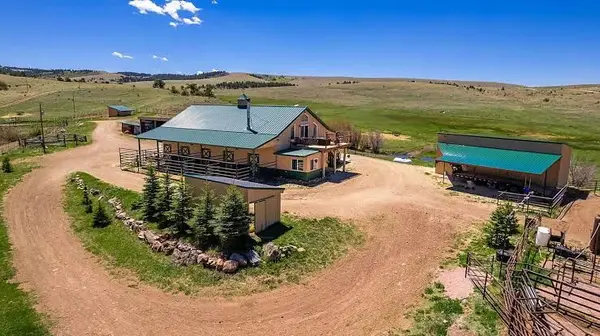
Horse Properties and Equestrian Land
This is where things get more specific.
Horse properties often include:
- Fencing
- Barns or outbuildings
- Adequate acreage for grazing
In the Denver area and surrounding counties, these properties are in high demand.
If this is your goal, zoning, water, and land layout all play a role.
How Much Does It Cost to Buy Land in Colorado?
The purchase price is just one part of the picture.
Additional costs may include:
- Well installation
- Septic system
- Utility connections
- Driveway or road improvements
- Site preparation for building
We have worked with buyers who found a great property but had not fully accounted for these costs.
Planning ahead can help you avoid surprises.
Do You Need a Larger Down Payment?
In many cases, yes.
Land purchases often require:
- 20 to 30 percent down for improved land
- 30 to 50 percent down for raw land
This can vary depending on the lender and the property.
If you want to explore financing options, you can start here:
https://www.yourwunderhome.com/get-pre-approved
Can You Build on Any Land in Colorado?
Not all land is immediately buildable.
Factors that affect this include:
- Zoning regulations
- Access to utilities
- Soil conditions
- Septic feasibility
- Setback requirements
Some properties may require additional approvals or engineering before building.
This is one area where having the right guidance can make a big difference.
What Is It Like Living on Rural Land vs Suburban Homes?
How do lifestyle differences impact your decision?
This is often where the decision becomes personal.
Rural Living
Can offer:
- More space
- Privacy
- Room for animals or agriculture
But may also involve:
- Longer drive times
- More responsibility for maintenance
- Limited access to certain services
Suburban or Semi-Rural Living
Often provides:
- Easier access to amenities
- More established infrastructure
- Shorter commutes
But typically:
- Less space
- More restrictions
Everyone defines lifestyle differently.
What matters most depends on how you want your day-to-day life to feel.
What Are Common Mistakes First-Time Land Buyers Make?
What should you watch out for?
Not Researching Zoning Early
This can limit what you are able to do with the land.
Underestimating Development Costs
Costs like wells, septic, and utilities can add up quickly.
Assuming All Land Is Buildable
Some properties require additional approvals or may not support certain types of construction.
Overlooking Access Issues
Legal access is essential for both use and financing.
Not Thinking About Long-Term Use
It helps to think beyond the purchase.
Ask yourself how the property fits your plans over time.
How Do You Start the Process of Buying Land?
What steps should you take first?
Clarify Your Goals
Think about:
- Building now or later
- Keeping horses or livestock
- Investment potential
Explore Available Properties
Seeing what is on the market can help refine your expectations.
You can browse available homes and land here:
https://www.yourwunderhome.com/listing
Connect With the Right Professionals
Land transactions can be more detailed than traditional home purchases.
Working with people who understand zoning, water, and rural property considerations can help you navigate the process.
Some clients like to begin here:
https://www.yourwunderhome.com/
Review Real Experiences
It can also help to hear from others who have gone through the process.
https://www.yourwunderhome.com/reviews
Final Thoughts
Buying land in Colorado opens up a lot of possibilities.
Whether you are thinking about building a home, creating a horse property, or investing in acreage, the process is a little different from buying a traditional home.
The key is understanding those differences early and aligning your decisions with your goals.
Everyone approaches land ownership differently. There is no single path that works for everyone.
If you are thinking about buying or just starting to explore, we are always happy to be a resource.
👉 https://www.yourwunderhome.com/
No pressure, just guidance when you need it.
FAQ Section
- What should I know before buying land in Colorado?
- You should understand zoning, water access, utilities, and legal access. These factors affect what you can do with the land and how easy it is to develop.
- Is buying land in Colorado a good investment?
- Everyone defines value differently. Some buyers focus on long-term appreciation, while others prioritize immediate use. It depends on your goals and timeline.
- Can you build a house on any land in Colorado?
- Not always. Zoning, utilities, soil conditions, and local regulations all affect whether land is buildable.
- Do you need water rights to buy land in Colorado?
- Not in every case, but water access can impact usability, especially for agricultural or horse properties.
- How much land do you need for a horse property in Colorado?
- It depends on local zoning and your intended use. Some areas require a minimum acreage per horse, so it is important to check local regulations.
Categories
Recent Posts