Can You Build a House on Vacant Land in Colorado? Quick Answer:
Can You Build a House on Vacant Land in Colorado?
Quick Answer:
Yes, you can build a house on vacant land in Colorado if the property allows residential construction and meets applicable zoning, access, water, wastewater, building code, and permitting requirements. However, owning a vacant parcel does not automatically mean you can build on it. Before purchasing land, verify its development potential with the local planning department and investigate the property's physical conditions, utility access, and total development costs.
If you have been browsing acreage around Denver, dreaming about a custom home near the foothills, or looking for land where you can keep horses, understanding these details early can help you make a more informed decision.
The goal is not simply to find a beautiful piece of land. It is to find land that can support the way you actually want to live.
Why Isn't All Vacant Land in Colorado Buildable?
One of the most common misconceptions about vacant land is that an empty lot must be available for residential construction. In reality, a property's development potential depends on several factors, and those factors can vary significantly from one parcel to another.
A piece of land might look perfect for a home but have zoning restrictions, inadequate legal access, limited water availability, or physical conditions that make construction difficult or expensive.
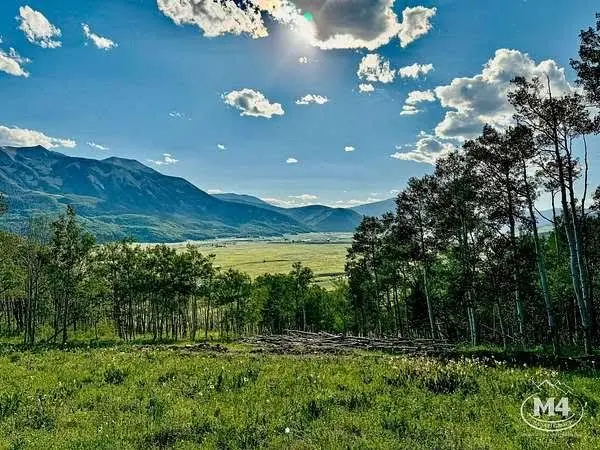
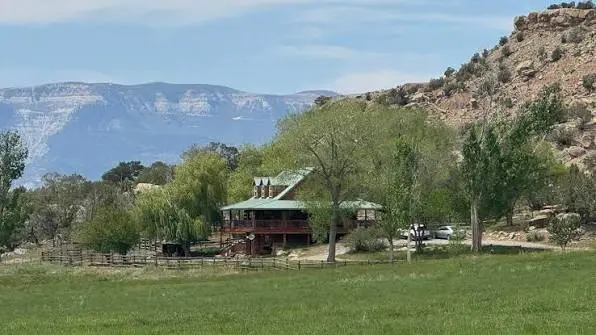
For example, a parcel outside Denver might offer open views, mature trees, and plenty of space for a home and barn. However, the property could be subject to agricultural zoning, minimum lot requirements, a conservation easement, or restrictions on where structures may be placed.
That does not necessarily mean the property cannot be developed. It means you need to understand what is permitted before making assumptions.
When evaluating vacant land, I recommend separating three questions:
- Is residential construction legally allowed? This involves zoning, land use regulations, recorded restrictions, and applicable approvals.
- Can a home physically be built on the property? This involves terrain, drainage, soil conditions, access, and the proposed building location.
- Can the project work financially? This involves construction expenses, utility connections, site preparation, permits, and other development costs.
A property needs to make sense across all three areas for your plans to move forward as intended.
What Should You Check Before Buying Vacant Land in Colorado?
Does the Zoning Allow You to Build a House?
Zoning is one of the first things to investigate when buying vacant land in Colorado.
Local governments use zoning and land use regulations to determine how properties may be used and what types of structures may be permitted. Depending on the jurisdiction, these rules can address residential use, building height, setbacks, lot coverage, minimum lot size, accessory structures, and animal keeping.
A parcel designated for agricultural use may allow certain residential uses, but the specific rules depend on the county or municipality. Similarly, land marketed as residential may still have restrictions that affect the size, placement, or design of a proposed home.
For properties around Denver, the relevant authority could be a city, a town, or a county. Land in unincorporated Douglas County, Jefferson County, Adams County, or Arapahoe County may be subject to different requirements than land within an incorporated municipality.
Do not rely solely on a listing description or a zoning label found on a property website.
Instead, contact the planning or community development department responsible for the parcel. Ask whether a single-family home is permitted, what approvals are required, and whether any known restrictions could affect your plans.
If you are considering a horse property, ask about livestock allowances, the number and type of animals permitted, setbacks for barns and shelters, and any applicable manure management or fencing requirements.
Are There Easements or Other Land Use Restrictions?
An easement gives another party certain rights to use a portion of a property for a specified purpose. Common examples include utility easements, drainage easements, and access easements.
Easements do not automatically prevent construction, but they can limit where you place a house, driveway, barn, fence, or other improvement.
Other restrictions may include recorded covenants, conservation easements, and private road agreements.
Conservation easements deserve particular attention when buying rural land. Depending on their terms, they may limit subdivision, new construction, agricultural activities, or changes to the property's landscape.
Before purchasing, review the title commitment, recorded documents, and available surveys. If a restriction is unclear, consult a qualified real estate attorney or the organization responsible for administering it.
A parcel with generous acreage may offer less usable building space than its total size suggests.
Does the Property Have Legal and Practical Access?
Access is another important part of vacant land due diligence.
A property may appear to connect to a road on a map without having the legal rights or physical improvements needed for reliable access. This is especially important for rural parcels, private roads, and land surrounded by other properties.
Confirm whether the property has legal access and determine whether a driveway permit, road improvement, or shared access agreement will be required.
You should also consider emergency vehicle access, road maintenance responsibilities, winter conditions, and whether a construction crew can reach the proposed building site.
In Colorado, snow, steep grades, and seasonal weather can affect the practicality and cost of accessing rural property.
For horse owners, access also affects everyday life. Consider whether trailers can enter and turn around safely, whether deliveries can reach the property, and whether the driveway will remain usable during different seasons.
Is There Enough Suitable Land for Your Home?
A parcel's total acreage does not tell you how much of it is suitable for construction.
Steep slopes, flood-prone areas, drainage channels, wetlands, rock outcroppings, and unstable soils can limit where a home can be placed. In some areas, wildfire exposure and site-specific fire protection requirements may also influence building plans.
Before committing to a purchase, investigate the proposed building area rather than evaluating the property only from the road.
Depending on the site, useful steps may include a boundary survey, topographic survey, soils investigation, drainage review, or consultation with a qualified engineer.
If your plans include a home, detached garage, barn, riding arena, and pasture, evaluate the entire layout together. The best location for the house may not be the best location for animal facilities, drainage, or vehicle access.
The key question is not just how much land you are buying, but how much of that land can support your intended use.
What Permits Do You Need to Build a House on Vacant Land in Colorado?
Building a home typically involves several approvals, and the exact requirements depend on the property's location and proposed development.
Common requirements may include:
- Land use approval or zoning confirmation.
- A building permit for the home.
- Driveway or access permits.
- Electrical, plumbing, and mechanical permits.
- Water service or well-related approvals.
- Wastewater or septic system approvals.
- Grading, drainage, or stormwater permits when applicable.
- Additional fire access or wildfire-related approvals where required.
Some projects may also require subdivision approval, a site plan, floodplain review, or other location-specific permits.
The local building department can explain the applicable building codes and permit process. However, a building permit does not necessarily resolve separate questions about water rights, septic feasibility, recorded restrictions, or access.
It is important to understand which agencies have authority over different parts of your project.
Can You Build Before All Utilities Are Installed?
Potentially, yes. Existing utility connections are not always a prerequisite for buying land or beginning the approval process. However, you must establish how the property will receive the services required for the proposed home and satisfy applicable regulations.
For example, a rural property may need an approved well or another authorized water source, an approved onsite wastewater system, and an electrical service extension.
Confirm the relevant approvals and installation requirements before assuming construction can proceed.
How Do Water Rights and Well Permits Affect Building on Colorado Land?
Water is one of the most important considerations when purchasing vacant land in Colorado.
Unlike some markets where buyers primarily focus on municipal water connections, rural Colorado properties may depend on private wells, water providers, or other legally authorized sources.
Can You Drill a Well on Vacant Land in Colorado?
Not necessarily. The ability to construct a well depends on applicable water law, the property's location, the proposed use, and the requirements of the Colorado Division of Water Resources.
A parcel's size alone does not establish that you can drill a well or use it for any purpose you choose.
Before purchasing, investigate whether an existing well is documented, whether a new well permit may be available, and what uses that permit authorizes.
Colorado well permits can contain specific limitations. A permitted domestic well, for example, should not be assumed to authorize unrestricted irrigation or commercial agricultural use.
If your plans include irrigating pasture, growing crops, or supporting multiple animals, investigate the water supply and permitted uses carefully.
What About Water Rights for Irrigation and Agriculture?
Water rights can be separate from ownership of the land itself. An irrigation ditch crossing a property, an old headgate, or a listing that mentions irrigation does not automatically establish that usable water rights will transfer with the sale.
Ask what water rights, ditch shares, well permits, or water delivery arrangements are included, and verify the details with the appropriate records and professionals.
For buyers interested in horse properties or small agricultural operations, reliable water access can affect pasture management, livestock care, and long-term operating costs.
A qualified water attorney or other appropriate specialist can help assess questions that require legal or technical interpretation.
Will You Need a Septic System or Can You Connect to Sewer?
Wastewater disposal is another major consideration when building outside established neighborhoods.
If municipal sewer service is unavailable, an onsite wastewater treatment system, commonly called a septic system, may be an option. Approval depends on site conditions and local requirements.
The relevant county or environmental health department may evaluate soil characteristics, drainage, groundwater conditions, system design, and required separation distances.
A property that appears spacious may still have limited room for a septic system and its required reserve area.
This matters even more if you intend to build a large home, guest house, barn with plumbing, or other structures that could affect the available site layout.
Before purchasing, confirm whether sewer service is available and what it would cost to connect. If septic is necessary, investigate whether the parcel appears suitable and what evaluations or approvals are required.
Do not assume that a septic system serving a neighboring property means your parcel will qualify for the same type of system.
How Much Does It Cost to Prepare Vacant Land for a House in Colorado?
The purchase price is only one part of the cost of building on vacant land.
Depending on the property, development expenses may include:
- Surveying and engineering.
- Soil testing and geotechnical evaluations.
- Clearing, grading, and excavation.
- Driveway construction and road improvements.
- Well installation or water service connections.
- Septic installation or sewer connections.
- Electrical service extensions.
- Drainage improvements and erosion control.
- Building permits and design fees.
- Fire mitigation or access improvements, where required.
The cost difference between two parcels can be substantial even if they have similar acreage and asking prices.
For example, consider two properties outside the Denver metro area. One has relatively level terrain, nearby electrical service, and an established road. The other has a steep building site, a long driveway, and utilities far from the proposed home.
The second property may require significantly more upfront work. The actual difference would depend on contractor estimates, site conditions, local requirements, and the design of the home.
Before purchasing, request preliminary estimates from qualified local professionals. Ask utility providers about connection costs, and include a contingency for unexpected site conditions.
If financing is part of your plan, speak with a lender early. Vacant land financing and construction financing may involve different requirements from a conventional mortgage on an existing home.
Some clients like to begin here when exploring financing options: Get pre-approved.
Is Buying Rural Land Near Denver Different From Buying Suburban Land?
Yes, the due diligence can look quite different.
Suburban lots may already have established roads, municipal water and sewer, nearby utilities, and a more familiar permitting process. However, those services should still be verified for each property.
Rural parcels often require more independent investigation into infrastructure, access, water, wastewater, and land use.
Around Denver, buyers exploring areas such as Parker, Elizabeth, Castle Rock, Brighton, Bennett, and communities farther along the Front Range may encounter a wide range of property conditions. Requirements vary by jurisdiction and parcel, so the community name alone does not determine what you can build.
Consider how each option fits your daily routine.
A rural property may provide room for horses, gardens, workshops, or greater separation from neighbors. It may also involve longer commutes, additional maintenance, more complicated utility arrangements, and greater responsibility for private infrastructure.
A suburban property may simplify some aspects of daily living, but it may not offer the acreage, animal allowances, or flexibility you want.
Neither choice is automatically better. Everyone defines their ideal lifestyle differently, and what matters most depends on your goals, budget, and willingness to manage the property.
If you want to explore options, you can start here: Your Wunder Home.
What Should Horse Property Buyers Consider Before Building?
For buyers planning to keep horses, building a home is only one part of the project.
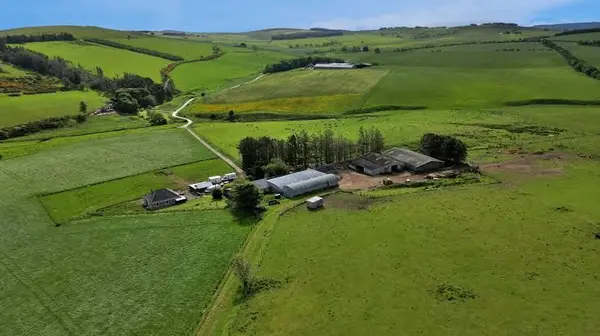
You may also need space and approvals for stalls, shelters, hay storage, manure management, fencing, paddocks, and an arena. Depending on the property, you may need to account for trailer parking, feed deliveries, and safe movement between turnout areas.
Before purchasing, investigate:
Animal allowances. Confirm the number and types of animals permitted, including any applicable lot-size requirements or local restrictions.
Water supply. Determine whether the available water source can support your intended household and livestock uses under the applicable permit or service agreement.
Pasture and drainage. Evaluate soil, vegetation, drainage, and the amount of land suitable for turnout. Acreage alone does not guarantee productive pasture.
Facility placement. Check setbacks and any restrictions affecting barns, shelters, arenas, fencing, and manure storage.
Access and utilities. Consider where you can place driveways, electrical service, water lines, and other infrastructure without interfering with your planned layout.
Ongoing maintenance. Budget for fencing, pasture management, manure removal, snow management, and road maintenance where applicable.
If you are purchasing agricultural or equestrian land as an investment, investigate the intended use separately from its potential resale value. A property that suits your personal needs may not appeal to every future buyer, and development possibilities should be verified rather than assumed.
How Can You Reduce the Risk of Buying Land You Cannot Build On?
The most useful step is to complete due diligence before your contractual deadlines expire.
Start by identifying the exact parcel and the government agencies responsible for zoning, building permits, access, water, and wastewater. Then ask specific questions about your intended project.
A practical checklist includes:
- Verify the zoning and whether your intended home is allowed.
- Review recorded easements, covenants, and conservation restrictions.
- Confirm legal access and driveway requirements.
- Investigate water availability, well permits, and applicable water rights.
- Determine whether sewer service or an approved septic system is feasible.
- Evaluate terrain, drainage, soils, and potential building locations.
- Obtain preliminary utility and site preparation estimates.
- Confirm any additional requirements for barns, livestock, or agricultural uses.
- Review financing options and your total project budget.
- Use appropriate contractual contingencies and professional inspections or consultations.
Whenever possible, describe your actual plans when contacting local officials. Asking whether land is generally buildable may not produce the same answer as asking whether you can construct a specific home with a detached garage, a barn, and a septic system.
Keep written records of your research and verify important information through the appropriate agency or qualified professional.
If you are comparing properties, it can also help to create a simple spreadsheet listing each parcel's purchase price, confirmed land use, water source, wastewater plan, utility availability, and estimated development expenses. This makes it easier to compare the full picture rather than focusing on acreage alone.
What Is the Bottom Line for Building on Vacant Land in Colorado?
Building a home on vacant land in Colorado can be a rewarding way to create a property around your lifestyle, whether that means a custom home near Denver, a small agricultural operation, or a place where you can keep horses.
The key is to investigate the land before committing to the vision.
Zoning, water, access, wastewater, physical site conditions, and development costs can all influence whether a property works for your plans. The details vary by location, and no listing description can replace parcel-specific due diligence.
Take time to ask questions, verify what is permitted, and understand the likely costs before moving forward.
If you are thinking about buying or selling land, a horse property, or a home in the Denver area, Gabrielle and Ryan Wunderlich are happy to be a resource as you explore your options. You can learn more at Your Wunder Home. No pressure, just guidance when you need it.
FAQ Section
Can you build a house on vacant land in Colorado without existing utilities?
Potentially, yes. A property may be suitable for development without existing utility connections, but you must determine how the home will receive required services. Depending on the location, that could involve extending electricity, obtaining an authorized water source, and installing an approved septic system. Verify local requirements and costs before buying.
What permits do you need to build a house on vacant land in Colorado?
Requirements depend on the parcel and project. Common approvals include zoning or land use approvals, a building permit, and applicable electrical, plumbing, mechanical, driveway, water, and wastewater permits. Grading, drainage, fire access, and other approvals may also apply. Contact the local planning and building departments to identify the requirements for your specific property.
How do you know if vacant land in Colorado is buildable?
Start by confirming the zoning and permitted residential uses with the local planning department. Then investigate legal access, recorded restrictions, water availability, septic or sewer feasibility, terrain, drainage, and utility access. A survey, soils evaluation, or engineering review may be appropriate. Buildability should be verified for the intended project rather than assumed from the parcel's size or listing description.
Can you build a house and keep horses on the same property in Colorado?
Possibly, but the answer depends on local zoning, animal regulations, property size, and site-specific restrictions. Confirm the permitted number of horses, requirements for barns and shelters, setbacks, fencing rules, and any applicable manure management requirements. Also investigate whether the property's water supply can support your intended household and livestock uses.
Is buying vacant land cheaper than buying a house in Colorado?
Vacant land may have a lower purchase price than an existing home, but the total cost depends on what it takes to make the property ready for construction. Site preparation, utilities, water, septic, permits, design, and construction can add substantially to the initial price. Compare the estimated all-in cost of building with the cost of buying an existing home that meets your needs.
If you are exploring vacant land or planning a move around Denver, you can visit https://www.yourwunderhome.com/ to learn more about Gabrielle and Ryan Wunderlich and the properties they help clients navigate. We're happy to be a resource as you decide what fits your goals, timeline, and budget.
Categories
Recent Posts