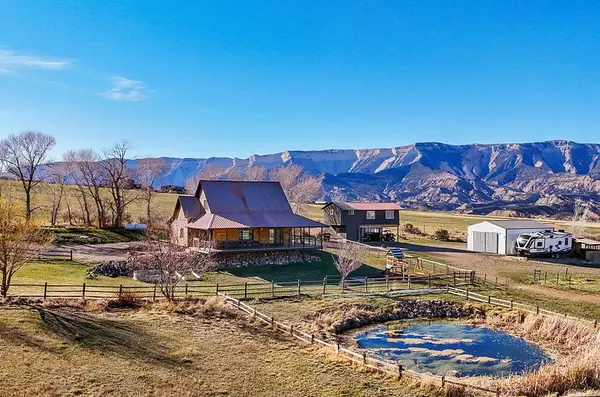
What Makes a Colorado Property Feel Rural Without Being Too Far From Denver? Quick Answer
What Makes a Colorado Property Feel Rural Without Being Too Far From Denver? Quick Answer
A property can feel genuinely rural without being hours from Denver. For many buyers, the feeling comes from acreage, open space, fewer nearby homes, animals, agricultural uses, mountain or prairie views, and a little more breathing room. Around Denver, that balance can be found in different directions, but the right choice depends on how you plan to use the property, how much land you want, and how much convenience you still need.
If you are looking for a home that gives you more space without completely disconnecting from the Denver metro area, it helps to look beyond the house itself. Zoning, land use, water, access, surrounding development, and the practical realities of maintaining acreage can be just as important as the number of acres listed on the MLS.
What actually makes a property feel rural in Colorado?
Everyone defines rural living differently.
For one buyer, rural might mean a 2-acre property with a barn and room for a couple of horses. For another, it could mean 10 or 20 acres, a long driveway, agricultural land, and no close neighbors. Someone else may simply want a larger lot, mountain views, and enough outdoor space to feel removed from the subdivision lifestyle.
In our experience, several characteristics tend to create that rural feeling:
- Larger lots or acreage
- More distance between neighboring homes
- Agricultural or open-space surroundings
- Room for horses, livestock, gardens, or recreational uses
- Barns, shops, corrals, or other outbuildings
- Private wells or septic systems in some areas
- Gravel or private roads
- Mountain, prairie, or foothill views
- Fewer sidewalks, streetlights, and traditional suburban amenities
The interesting part is that you do not necessarily need a huge ranch to get some of these benefits.
A 3-acre property can feel dramatically different from a typical suburban lot, while still being relatively close to shopping, schools, employment centers, and major roads.
That is why we encourage buyers to define what “rural” means to them before automatically searching for a certain number of acres.
Where can you find rural living near Denver?
The Denver metro area is surrounded by communities that offer very different versions of rural and semi-rural living.
Depending on your priorities, you might explore areas in Douglas, Jefferson, Arapahoe, Adams, Weld, Boulder, or other nearby counties. Metro Denver itself includes a mix of urban, suburban, rural, foothill, and agricultural communities.
For example, buyers looking south of Denver may explore acreage around Parker, Sedalia, Castle Rock, or parts of Douglas County. West of Denver, Jefferson County can provide a transition from suburban neighborhoods into foothill and mountain communities. Eastern and northern areas can offer a different landscape, with more prairie, agricultural land, and larger parcels.
The important distinction is that “near Denver” does not automatically mean the same thing in every direction.
Two properties that are both advertised as being approximately 30 minutes from Denver could have very different roads, traffic patterns, zoning, utilities, surrounding development, and lifestyle.
So rather than asking only, “How far is it from Denver?” consider asking, “How does the property function on a normal Tuesday?”
What should you look for if you want acreage without feeling isolated?
Acreage buyers often have to balance two competing goals: space and convenience.
You may want room for a horse, garden, workshop, chickens, or simply more privacy. At the same time, you may not want a long commute or to drive 25 minutes every time you need groceries.
A useful starting point is to identify your non-negotiables.
For example:
Lifestyle: Do you want horses, livestock, gardening, recreational space, or simply privacy?
Commute: How often will you drive into Denver or another employment center?
Services: How important are nearby grocery stores, healthcare, schools, restaurants, and other amenities?
Land: Would 2 acres meet your needs, or would you realistically use 5, 10, or 20 acres?
Maintenance: Are you comfortable maintaining fencing, private roads, landscaping, wells, septic systems, or outbuildings?
This last question is easy to overlook.
More land can mean more flexibility, but it can also mean more responsibility.
A rural property is often less about buying “more” and more about buying the type of space you will actually use.
Does acreage automatically mean you can have horses or livestock?
No. Acreage alone does not determine what you can legally do with a property.
This is one of the most important distinctions for anyone considering a horse property or small agricultural property in Colorado.
Zoning can influence permitted uses, animal allowances, setbacks, structures, lot requirements, and other aspects of property use. County rules can also differ substantially. Jefferson County, for example, directs property owners to verify their zoning district and then review the applicable zoning regulations for permitted uses, setbacks, lot sizes, and building standards.
There may also be HOA or covenant restrictions.
In some locations, the property may have enough land for horses physically, but the zoning, recorded documents, well permit, or other restrictions may affect whether horses are permitted.
That is why we recommend verifying the actual property rather than relying on phrases such as “horse-friendly,” “equestrian,” or “agricultural” in a listing description.
If horses are part of your plan, look at the entire picture:
- Zoning
- Animal allowances
- HOA or covenant restrictions
- Water availability
- Existing fencing
- Barn permits and condition
- Pasture or turnout areas
- Arena potential
- Access for trailers
- Neighboring uses
- Local land-use requirements
The details can matter more than the marketing language.
What makes a property feel rural without requiring a huge amount of land?
You do not always need 10 or 20 acres to create a rural lifestyle.
Sometimes the surrounding environment matters just as much as the parcel size.
Imagine two 3-acre properties.
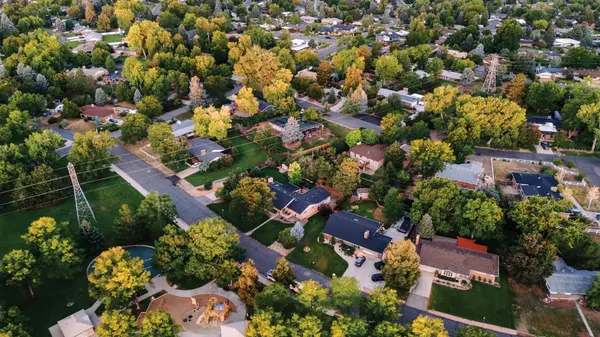
The first sits inside a tightly developed subdivision with homes on every side. It may technically have acreage, but the experience could still feel suburban.
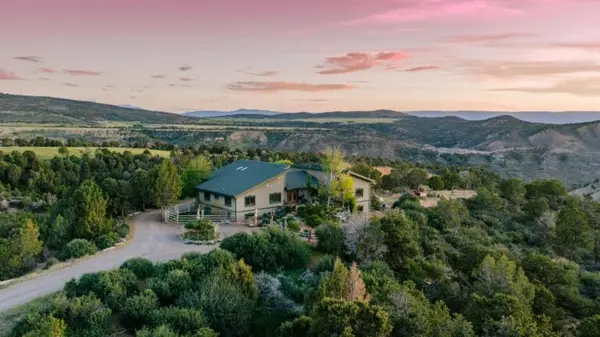
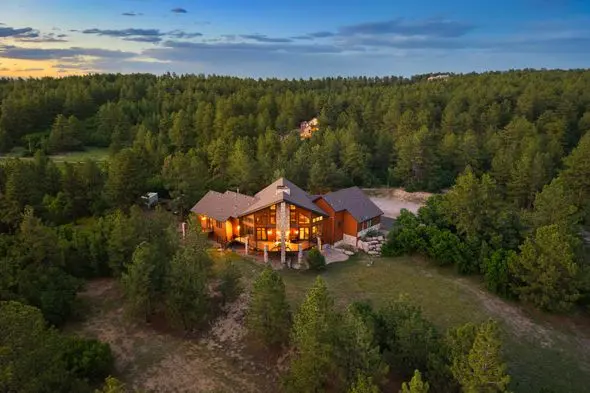
The second sits near open land, has mature trees, a long driveway, a detached barn, and fewer visible neighbors. It may feel considerably more rural even though the acreage is identical.
This is why we encourage buyers to evaluate the land around the land.
Look beyond the property boundaries.
What surrounds the parcel? Is nearby land protected open space, agricultural land, residential development, or land that could potentially be developed?
A property can feel wonderfully rural today, but understanding surrounding zoning and development patterns can help you make a more informed decision about the future.
How important are zoning and land use when buying rural Colorado property?
They are extremely important, particularly when your plans involve more than simply living in the house.
Colorado properties can fall under municipal, county, or other land-use regulations. Requirements can vary depending on the jurisdiction and zoning district.
For example, Jefferson County notes that Planned Development properties can have site-specific rules contained in an Official Development Plan. The county also provides separate information concerning animals, barns, and accessory uses.
That means a buyer should not assume that the rules for one acreage property automatically apply to another property nearby.
Before purchasing, consider verifying:
- What is the current zoning?
- What uses are permitted?
- Are horses or livestock allowed?
- Are additional structures permitted?
- Are there minimum setbacks?
- Are there HOA or covenant restrictions?
- Could the property be subdivided?
- What development is allowed nearby?
The answers can affect both your current lifestyle and your long-term plans.
What should you know about water when buying rural land near Denver?
Water deserves special attention in Colorado.
A property can look perfect on paper, but buyers should understand what water is actually available and what rights or permits are associated with it.
Depending on the property, you may encounter municipal water, a private well, irrigation water, ditch shares, surface water rights, or other arrangements.
These are not interchangeable.
If you are considering horses, agriculture, landscaping, gardening, or additional structures, water may become even more important.
Ask for documentation and have the appropriate professionals help verify what the water source can legally and practically support.
The same principle applies to septic systems. If a property uses septic rather than a municipal sewer connection, buyers should understand the system, its age, maintenance history, and any applicable records or requirements.
These are not necessarily reasons to avoid rural property. They are simply part of understanding what you are buying.
How is rural living different from suburban living?
The biggest difference may not be the commute. It may be the responsibility that comes with the property.
Suburban living often means shared infrastructure, smaller lots, municipal utilities, sidewalks, HOA-maintained amenities, and relatively predictable maintenance.
Rural living can involve more independence, but that independence may come with additional work.
You might be responsible for:
- Well maintenance
- Septic maintenance
- Private roads or driveways
- Snow removal
- Fencing
- Irrigation
- Acreage mowing
- Outbuilding maintenance
- Animal care
- Longer travel times for certain services
For the right buyer, those responsibilities can be part of the appeal.
For someone who wants the appearance of rural living without the maintenance, a large-lot suburban or semi-rural property might be a better fit.
There is no universal answer. What matters most depends on your goals.
Can you find horse properties close to Denver?
Yes, horse properties exist throughout portions of the broader Denver region, although availability, property size, zoning, and infrastructure vary considerably by location.
Parts of Adams County, Douglas County, Jefferson County, Arapahoe County, and other surrounding areas can offer different forms of equestrian and acreage living. Some properties are agricultural, while others are larger residential parcels where horse ownership is permitted under specific rules.
For example, Jefferson County provides specific regulations addressing domestic animals and barns, illustrating why buyers should verify the rules for the individual property rather than assuming that all acreage properties have the same allowances.
If you are shopping for a horse property, it can help to separate your search into three categories:
Land that can accommodate horses: The physical space works.
Land where horses are permitted: The zoning and restrictions allow them.
Land that is already set up for horses: The property has useful infrastructure such as fencing, barns, water, turnout, or an arena.
Those are three very different buying opportunities.
What should buyers inspect beyond the house?
When touring rural property, it is easy to focus on the kitchen, bedrooms, and finishes.
Those still matter, but the land deserves its own inspection mindset.
Walk the property if conditions allow. Look at drainage, fencing, gates, access points, slopes, pasture condition, outbuildings, and areas where water may collect.
If you have horses, imagine your daily routine.
Where would you park the trailer?
Where would you store hay?
Where would the horses receive water?
Where would you keep equipment?
Can a veterinarian or farrier access the property easily?
Could you safely move animals between areas?
For agricultural buyers, think about soil, irrigation, water availability, fencing, equipment access, and how the land has historically been used.
The goal is not to find a property with zero issues. That is rarely realistic.
The goal is to understand the property well enough to decide whether the opportunities and responsibilities fit your plans.
What is the biggest mistake buyers make when looking for rural property near Denver?
One common mistake is falling in love with the lifestyle before understanding the logistics.
A beautiful acreage property can create an immediate emotional reaction. You can picture the horses, garden, fire pit, workshop, or open space.
That vision is important.
But before moving forward, slow down and investigate the practical details.
Check the zoning. Review the water situation. Understand access. Investigate septic and well information where applicable. Read the HOA or covenants. Look at surrounding land uses. Consider commute times. Think about future development.
A property can be a wonderful lifestyle fit and still require more work than expected.
Conversely, a property that initially seems less exciting may have exactly the infrastructure and location that make rural living easier.
How can you decide how much acreage you actually need?
Start with the activities you want to do, rather than the number of acres you think you should buy.
If you want two horses, ask how much usable turnout space you need.
If you want a garden, determine how much growing space makes sense.
If you want a shop, check whether zoning and setbacks allow it.
If you want privacy, consider how the property is positioned and what surrounds it.
If you want agricultural production, investigate water, soil, access, and applicable land-use requirements.
Then work backward toward the appropriate parcel size.
Five acres that you actively use may be more satisfying than 20 acres that become a constant maintenance project.
If you want to explore options, you can start here: https://www.yourwunderhome.com/
What does “close to Denver” really mean for a rural buyer?
For a rural buyer, proximity is about more than mileage.
A property might be geographically close to Denver but require a difficult commute. Another could be farther away but provide easier highway access.
Think about your actual routine.
Where do you work?
Where do your children attend school?
How often do you travel?
Do you need quick access to an airport?
How frequently will you shop for feed, fencing supplies, groceries, or other rural-property necessities?
These questions can help narrow the search much more effectively than simply drawing a circle around downtown Denver.
For some buyers, the eastern plains may make sense. Others may prefer the foothills. Some want the convenience of a semi-rural neighborhood, while others want substantial acreage.
Denver's surrounding counties offer a wide range of landscapes and development patterns, from urban and suburban communities to agricultural and foothill areas.
Is rural living near Denver a good fit for you?
That depends on what you want your day-to-day life to look like.
If you want room for horses, more outdoor space, agricultural potential, or simply fewer neighbors, rural or semi-rural property may be worth exploring.
But it is worth being realistic about the tradeoffs.
More land can mean more maintenance. Private infrastructure can require more attention. Zoning can limit certain plans. A longer driveway can mean more snow removal. A beautiful open view today does not necessarily guarantee that the surrounding area will never change.
The right property is usually the one where the lifestyle, location, land, infrastructure, and practical responsibilities line up with your priorities.
Some clients like to begin here: https://www.yourwunderhome.com/listing
Final Thoughts: What Makes Rural Colorado Living Feel Right?
For many people, rural living near Denver is not about getting as far away from the city as possible.
It is about finding a different pace while keeping enough connection to the places and people that matter.
That might mean a few acres in the foothills. It might mean a horse property on the edge of a growing community. It might mean agricultural land farther out, or a large residential lot that simply gives your family more breathing room.
There is no single definition of rural living, and there is no universally ideal acreage.
What matters most depends on your goals.
When evaluating a property, look beyond the house. Understand the land, zoning, water, access, infrastructure, surrounding development, and day-to-day responsibilities. I always recommend exploring data and professional guidance that aligns with your specific priorities before making a decision.
If you are thinking about buying or selling in the Denver area, Gabrielle and Ryan Wunderlich are happy to be a resource. You can explore more about their approach here: https://www.yourwunderhome.com/
No pressure, just guidance when you need it.
FAQ Section
What areas near Denver offer rural living without being too far from the city?
Depending on your priorities, rural and semi-rural opportunities can be found in portions of Douglas, Jefferson, Arapahoe, Adams, Weld, and other surrounding counties. Areas such as Parker, Sedalia, Castle Rock, foothill communities, and portions of the eastern and northern metro can offer different versions of acreage living. The best location depends on your commute, desired acreage, lifestyle, and budget.
Can you have horses on acreage near Denver?
Sometimes, but acreage alone does not guarantee that horses are permitted. Buyers should verify zoning, animal regulations, HOA or covenant restrictions, water, setbacks, and other property-specific requirements. Local rules can vary significantly between jurisdictions.
Is rural property more difficult to maintain than a suburban home?
It can be. Rural properties may involve additional responsibilities such as well and septic maintenance, fencing, private roads, acreage upkeep, snow removal, irrigation, barns, or animal care. For some buyers, those responsibilities are part of the appeal. Others may prefer a larger suburban lot with fewer infrastructure responsibilities.
What should I check before buying rural land in Colorado?
Start with zoning and permitted uses, water rights or well information, septic or sewer arrangements, legal access, easements, HOA or covenant restrictions, property boundaries, existing structures, and surrounding land uses. If you plan to keep horses, farm, build additional structures, or subdivide, verify those specific plans before purchasing.
How much land do I need for a rural lifestyle near Denver?
There is no universal acreage requirement. A 2- or 3-acre property may provide the space one buyer wants, while another buyer may need 10 or more acres for horses, agriculture, recreation, or privacy. Start with how you plan to use the property, then determine how much usable land those activities realistically require.
Categories
Recent Posts