Wildlife on Rural Colorado Property: What Buyers Should Know
What Buyers Should Know About Wildlife When Purchasing Rural Colorado Property
Quick Answer
Wildlife is part of the Colorado rural lifestyle, and buyers considering acreage, horse properties, agricultural land, or rural homes should understand how wildlife may affect daily life, fencing, landscaping, livestock, and land management. The experience can vary significantly based on location, habitat, water sources, surrounding open space, and how the property is used.
When we talk with buyers looking outside Denver, wildlife is often one of those topics that becomes more important once they start thinking beyond the house itself. A property may look perfect on paper, but understanding the land and its surroundings can help you decide whether it fits the lifestyle you actually want.
Why Should Wildlife Be Part of Your Rural Property Search?
When you buy a suburban home, your evaluation often centers on the house, neighborhood, schools, commute, and nearby amenities.
With rural Colorado property, the land itself becomes part of the equation.
That means buyers may want to think about:
- What wildlife is commonly seen in the area?
- Is the property near open space, foothills, agricultural land, waterways, or larger undeveloped parcels?
- Are there natural food and water sources nearby?
- What type of fencing is already installed?
- Will you have horses, cattle, chickens, dogs, or other animals?
- Are there gardens, fruit trees, or other features that could attract wildlife?
- How much ongoing land management are you comfortable doing?
There is no single definition of an ideal rural property. What matters most depends on your goals.
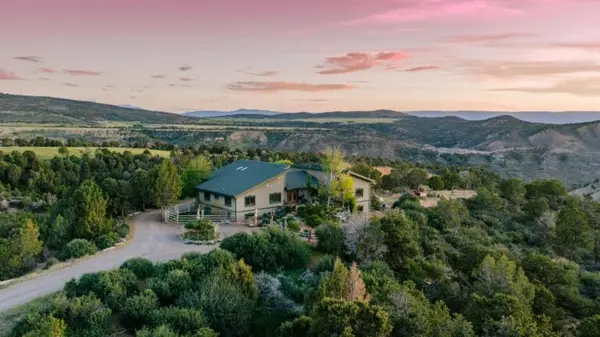
For one buyer, seeing deer or other wildlife from the kitchen window may be one of the reasons they want acreage. For another buyer, keeping livestock and maintaining fencing may make wildlife management a much bigger consideration.
The important thing is to understand the environment before you purchase.
What Wildlife Might You Encounter on Rural Colorado Acreage?
Colorado has a wide range of ecosystems, so wildlife varies from one property to another.
Depending on where you are looking, buyers may encounter animals such as deer, elk, foxes, coyotes, rabbits, raccoons, skunks, birds of prey, and other native species. Properties closer to foothills or mountain environments can have a different wildlife profile than acreage surrounded primarily by agricultural fields or suburban development.
Large predators and other species may also occur in some areas, but their presence is highly location-dependent.
This is one reason a generic statement such as "this area has wildlife" is not enough when evaluating a property.
A better approach is to ask what has actually been observed on or around the property.
Talk with the seller when possible. Ask neighbors what they see throughout the year. Pay attention to tracks, fencing repairs, droppings, damaged vegetation, and other signs that may provide clues about how animals interact with the property.
How Does Location Affect Wildlife on Colorado Property?
The property's surroundings can tell you a lot.
A 10-acre property surrounded by hundreds of acres of open land may have a very different wildlife experience than a similarly sized parcel surrounded by newer subdivisions.
Properties near:
- Open space
- Creek corridors
- Irrigation ditches
- Reservoirs
- Agricultural fields
- Foothills
- Larger undeveloped parcels
- Parks and natural areas
may have more opportunities for wildlife movement.
That does not necessarily make one property better than another.
For some buyers, proximity to open land is part of the appeal. Others may prefer a property with fewer wildlife-related considerations.
When comparing rural properties around Denver, Douglas County, Jefferson County, Arapahoe County, Adams County, or farther into the Front Range, it can be useful to look at the broader landscape instead of focusing only on the parcel lines.
Can Wildlife Affect Horses and Livestock?
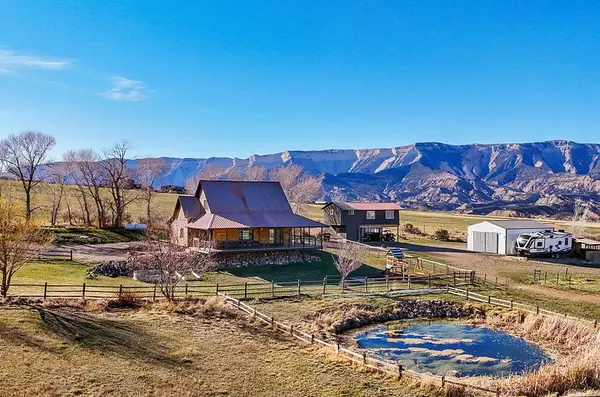
For buyers searching specifically for a Colorado horse property, wildlife deserves additional attention.
Horses, cattle, goats, chickens, and other animals can change how you think about the property.
Fencing is one obvious consideration. Existing fencing may have been designed primarily to contain livestock, but that does not mean it is appropriate for every animal or every situation.
Buyers should look at:
- Fence type and condition
- Gates and latches
- Gaps beneath fencing
- Areas where fencing borders open land
- Corrals and pens
- Barn access
- Feed storage
- Water systems
- Pasture condition
- Shelter locations
A property can have beautiful fencing and still require modifications based on how you plan to use it.
For example, a buyer planning to keep horses may evaluate fencing very differently from someone purchasing the same property as a weekend retreat.
It is also worth considering where hay, grain, and other feed will be stored. Wildlife can be attracted to accessible food sources, so storage and daily management may become part of the rural-property routine.
What Should Horse Property Buyers Know About Predators?
Predators are an important consideration for some livestock owners, but the level of concern varies by location and property use.
Coyotes, for example, are widespread across Colorado and may be seen in both rural and suburban environments. Other predators may be more location-specific.
If livestock is part of your plans, it is worth asking the seller whether there have been previous wildlife or predator concerns.
You can also talk with nearby property owners about their experience.
The goal is not to assume that wildlife will cause a problem. The goal is to understand what you may be taking on and determine whether the property can reasonably support your plans.
If you plan to keep animals, you may also want to discuss fencing, livestock guardian strategies, shelter, and feed storage with qualified agricultural or livestock professionals.
Can Wildlife Affect Water Sources and Irrigation?
Water is already an important topic when evaluating Colorado acreage.
For rural buyers, the conversation can involve wells, irrigation systems, surface water, water rights, ditches, ponds, drainage areas, and other water-related infrastructure.
Wildlife adds another layer because natural water sources can also become wildlife corridors.
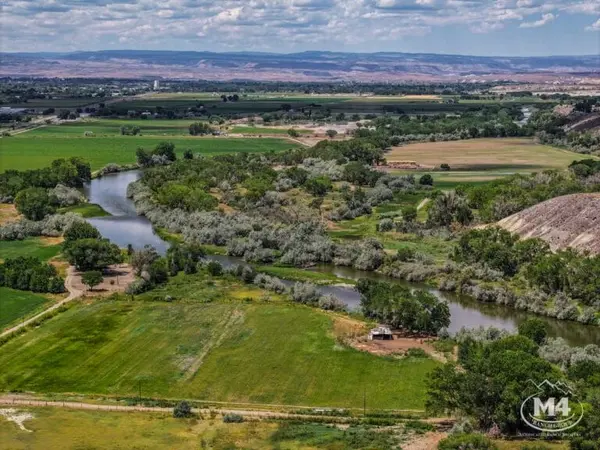
If a property has a creek, pond, wetland area, irrigation ditch, or other water feature, take a closer look at how that area is used.
Ask:
- Is the water feature seasonal or year-round?
- Is it part of the property's irrigation system?
- Are there existing fences around certain areas?
- Are there signs of wildlife activity?
- Does the water feature create maintenance considerations?
- Are there access or easement rights associated with it?
Water rights and land-use questions can become complicated quickly in Colorado. Buyers should not assume that owning land automatically means owning or controlling every water source on or near it.
For significant questions involving water rights, wells, irrigation, or agricultural use, professional due diligence is important.
How Can Fencing Change the Rural Wildlife Experience?
Fencing is easy to overlook during a first showing.
A buyer may be focused on the house, views, barn, arena, or acreage, while fencing becomes something they notice only after moving in.
Instead, walk the property specifically looking at fences.
Look for:
- Broken or loose sections
- Low spots
- Areas where animals could pass underneath
- Gates that do not close securely
- Older wire
- Fence lines near natural drainage
- Boundaries that are difficult to identify
- Existing wildlife passages
Also consider that fences can have different purposes.
A fence designed to mark a property boundary may not be the same as fencing designed for horses or livestock.
Before making assumptions about what a fence does or who is responsible for maintaining it, review the property's legal documents and discuss questions with the appropriate professionals.
Does Wildlife Affect Rural Property Value?
Wildlife can influence how a buyer experiences a property, but it is difficult to assign a universal value to wildlife presence.
Everyone defines this differently.
A buyer who wants privacy, views, open land, and a connection to nature may see abundant wildlife as an attractive feature.
Another buyer may prioritize a low-maintenance yard, easy livestock management, or fewer interactions with animals.
This is why I would be cautious about saying wildlife automatically increases or decreases the value of rural Colorado property.
Instead, consider how wildlife fits into the property's overall characteristics and your intended use.
Location, access, water, zoning, land usability, improvements, views, surrounding development, and market conditions can all play important roles.
What Should Buyers Look for During a Rural Property Showing?
One of the best times to evaluate wildlife considerations is during the property visit.
Don't just walk through the home.
Walk the land.
Look at the property's perimeter and surrounding environment. Notice trails, tracks, disturbed soil, damaged vegetation, nests, burrows, droppings, and other signs of animal activity.
You may also want to visit at different times of day when practical.
Wildlife activity is not necessarily consistent throughout the day or year.
If you are seriously considering a property, ask the seller questions such as:
What wildlife do you typically see here?
Have there ever been problems with livestock or pets?
Has any fencing been installed or modified because of wildlife?
Are there areas of the property where animals regularly pass through?
Have there been recurring issues with gardens, crops, feed, or landscaping?
The answers can help you build a more realistic picture of everyday life on the property.
How Is Rural Living Different From Suburban Living?
This is one of the biggest lifestyle questions buyers should consider.
Rural living often comes with more responsibility.
You may be responsible for a private road, well, septic system, fencing, landscaping, irrigation equipment, barns, outbuildings, snow removal, or other infrastructure that would not normally be your responsibility in a typical suburban neighborhood.
Wildlife can be another part of that equation.
You may occasionally need to protect gardens, secure trash, adjust fencing, manage feed storage, or make other practical changes.
None of that means rural living is the wrong choice.
It simply means the lifestyle is different.
For buyers who love horses, open space, gardening, privacy, agriculture, or having more room, those responsibilities may feel like a reasonable tradeoff.
What matters most depends on what you want your day-to-day life to look like.
What Colorado Land-Use Questions Should Buyers Ask?
Wildlife is only one piece of rural property due diligence.
Before purchasing acreage, buyers should also understand how the property can legally be used.
Questions may include:
- What is the zoning?
- Are horses or livestock permitted?
- Are agricultural uses permitted?
- Are there limits on the number or type of animals?
- Can additional structures be built?
- Are there building envelopes or setbacks?
- Are there conservation easements?
- Are there access easements?
- How are roads maintained?
- What utilities serve the property?
- Is there a well, and what is its permitted use?
- Is the property served by septic?
- Are there restrictions recorded against the property?
These details can vary significantly between jurisdictions.
A property outside Denver may look similar to one in a neighboring county while having different zoning, land-use rules, or infrastructure considerations.
This is one area where it pays to slow down and verify rather than assume.
How Can Buyers Decide Whether a Wildlife-Rich Property Is Right for Them?
Start with your intended use.
If you want a horse property, think about horses first. If you want agricultural land, evaluate soil, water, access, zoning, and operational needs. If you want a rural home primarily for privacy and recreation, think about how the surrounding landscape affects that experience.
Then consider your comfort level.
Ask yourself:
Would I enjoy seeing wildlife regularly?
Am I comfortable maintaining rural fencing?
Would wildlife create concerns for my animals or pets?
Am I prepared for the additional responsibilities that can come with acreage?
Does the property still make sense if I have to make some changes after moving in?
There is no universal answer.
I always recommend exploring data and property-specific information that aligns with your priorities rather than trying to find a property that someone else has labeled "perfect."
Where Can You Start If You Are Exploring Rural Colorado Property?
If you are still in the research stage, it can help to look at a range of properties before deciding exactly what you want.
You can browse available homes and properties here: Your Wunder Home listings
As you compare properties, pay attention to more than price and square footage. Look at acreage, surrounding land uses, access, fencing, water, outbuildings, and the overall setting.
For lifestyle-driven real estate, the land and its surroundings can be just as important as the house.
What Questions Should You Ask Before Buying Rural Colorado Property?
A good rural-property conversation should go beyond "How many bedrooms does it have?"
Consider creating a property-specific checklist covering:
Wildlife: What animals are commonly seen, and are there known concerns?
Land: How usable is the acreage for your intended purpose?
Water: What water sources, wells, irrigation systems, or rights are associated with the property?
Zoning: What uses are permitted?
Animals: Are horses, livestock, or other animals allowed?
Fencing: What exists today, and what might need to change?
Access: Is the road public or private, and are there recorded easements?
Utilities: How are water, septic, electricity, heating, and internet handled?
Future plans: Could surrounding development change the property's setting?
These questions can help turn an emotional property search into a more informed decision.
The Bottom Line for Buyers Considering Rural Colorado
Wildlife is not simply a potential challenge to avoid. For many Colorado buyers, it is part of what makes rural living appealing in the first place.
The key is understanding what comes with the property.
A rural home near Denver, a horse property along the Front Range, agricultural acreage, or a mountain-adjacent parcel can each offer a very different experience. Wildlife, water, fencing, zoning, access, and surrounding land uses all deserve consideration before you decide whether a particular property fits your plans.
Some clients like to begin with the basics and learn what questions to ask before they seriously evaluate properties. You can start here: Your Wunder Home
The goal is not to tell you what type of property you should buy.
It is to help you understand the tradeoffs well enough to make a decision that fits your lifestyle, budget, and long-term plans.
FAQ: Wildlife and Rural Colorado Property
What wildlife might I see on rural Colorado property?
Depending on location, habitat, and surrounding land, rural Colorado properties may have deer, elk, coyotes, foxes, rabbits, raccoons, skunks, birds of prey, and other native wildlife. The specific wildlife experience can vary considerably, so buyers should ask about the particular property and surrounding area rather than relying only on general expectations.
Should I be concerned about wildlife if I own horses?
Wildlife can be a consideration for horse owners, particularly when evaluating fencing, feed storage, pasture areas, and neighboring open land. The level of concern depends on the property's location and how the horses are kept. Buyers planning to own livestock should evaluate these factors based on their specific operation and consider professional advice when appropriate.
Can wildlife affect the value of rural Colorado land?
There is no universal rule that wildlife presence increases or decreases property value. Some buyers may place a high value on privacy, natural surroundings, and seeing wildlife, while others may prioritize convenience and easier land management. What matters most depends on the buyer's goals and how wildlife fits into the property's overall characteristics.
What should I inspect for wildlife activity during a property showing?
Look for animal tracks, trails, damaged vegetation, droppings, nests, burrows, and areas where wildlife may be moving through the property. Pay particular attention to fencing, water sources, gardens, livestock areas, and feed storage. Asking the seller and nearby property owners about their experiences can also provide useful context.
Is rural Colorado property more difficult to maintain because of wildlife?
It can require different types of maintenance than suburban property, but the experience varies. Buyers may need to think about fencing, landscaping, trash, feed storage, gardens, livestock, and other potential wildlife attractants. Whether those responsibilities feel significant depends on the property and the buyer's expectations.
Thinking About Buying or Selling Rural Property in Colorado?
If you are considering acreage, a horse property, agricultural land, a rural home, or a residential property around Denver and the surrounding areas, we are happy to be a resource.
Some buyers know exactly what they want. Others are still figuring out whether rural or suburban living makes the most sense for them. Both are completely reasonable places to start.
If you want to explore your options, you can start here: Your Wunder Home
No pressure, just guidance when you need it.
Categories
Recent Posts