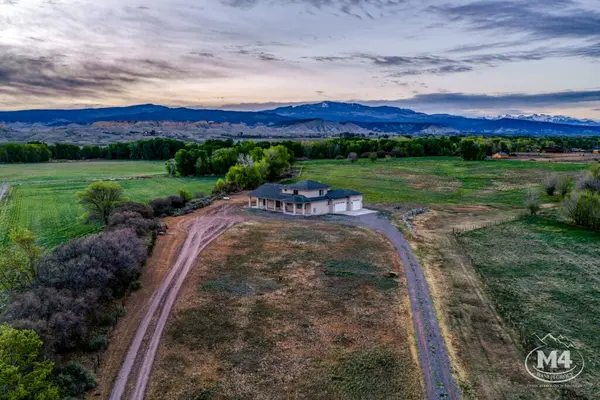
Privacy vs Isolation When Buying Colorado Acreage
The Difference Between Privacy and Isolation When Buying Colorado Acreage
Quick Answer
Privacy and isolation are not necessarily the same thing when buying Colorado acreage. A property can give you space, quiet, and separation from neighbors while still being reasonably convenient to roads, schools, shopping, and services. The right balance depends on how you plan to use the property and what kind of daily lifestyle you want.
For buyers considering acreage around Denver and the surrounding areas, understanding that difference can help prevent surprises after closing.
What Is the Difference Between Privacy and Isolation When Buying Colorado Acreage?
Privacy generally means having more separation from neighbors, roads, or surrounding development. Isolation can mean that getting to everyday necessities takes considerably more time and effort.
That distinction sounds simple, but it becomes important when looking at rural land.
For example, imagine two properties that are both five acres.
One might sit at the end of a quiet county road, surrounded by larger parcels, but still be 15 minutes from groceries and 20 minutes from a major employment area.
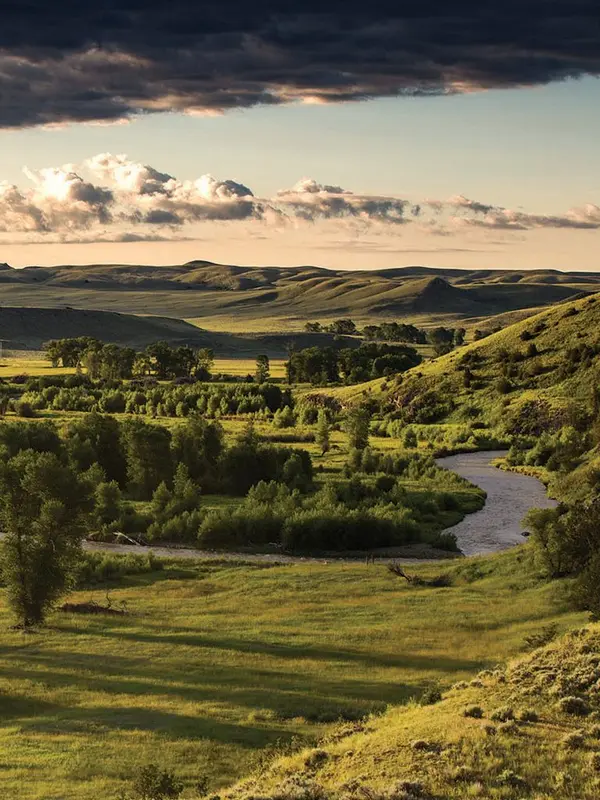
Another five-acre property might be surrounded by hundreds of acres of open land and offer incredible solitude, but require a 30-minute drive just to reach basic services.
Both properties offer acreage. Both may feel private. The day-to-day experience can be very different.
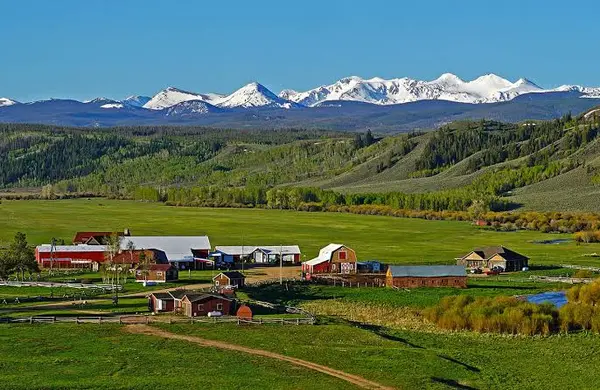
Everyone defines privacy differently. For some buyers, privacy means not seeing a neighbor from the kitchen window. For others, it means having enough land for horses, gardens, workshops, or recreational space.
What matters most depends on your goals.
How Much Privacy Do You Really Need?
Before looking at acreage, it helps to define what privacy actually means to you.
Ask yourself a few practical questions:
- Do you want to see neighbors from your property?
- Are you comfortable living near a county or state road?
- Do you want space for horses, livestock, or agricultural uses?
- Would you rather have mature trees, fencing, topography, or distance between homes?
- How important is quiet compared with convenience?
- Are you comfortable maintaining a longer driveway?
- Would you prefer fewer nearby homes, even if that means a longer commute?
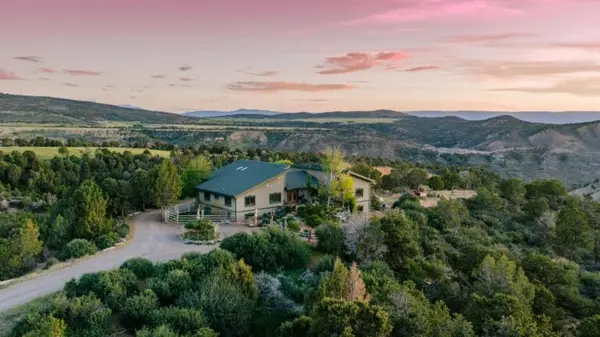
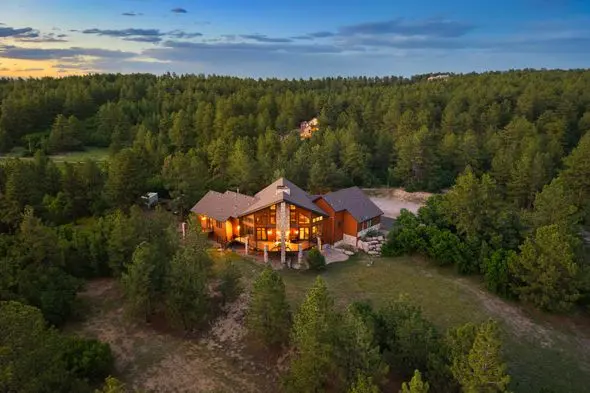
A five-acre property with mature trees and thoughtful landscaping may feel more private than a larger property with completely open terrain.
Likewise, 10 acres does not automatically mean complete privacy.
Colorado's Front Range has a mix of older agricultural parcels, newer rural subdivisions, larger ranch properties, and areas where development patterns are changing. Looking only at acreage can miss much of what actually creates the feeling of privacy.
What Creates Privacy on a Colorado Acreage Property?
Does acreage automatically provide privacy?
No. Acreage provides physical space, but privacy depends on several factors.
The property's shape, surrounding parcels, terrain, vegetation, fencing, road placement, and neighboring land uses can all influence how private it feels.
A property surrounded by large agricultural parcels may have a different experience than a five-acre lot surrounded by other five-acre homesites.
This is one reason I recommend looking beyond the property boundaries.
Study the neighboring parcels, not just the house you are considering.
Can trees and terrain make a property feel more private?
Absolutely. Natural features can make a meaningful difference.
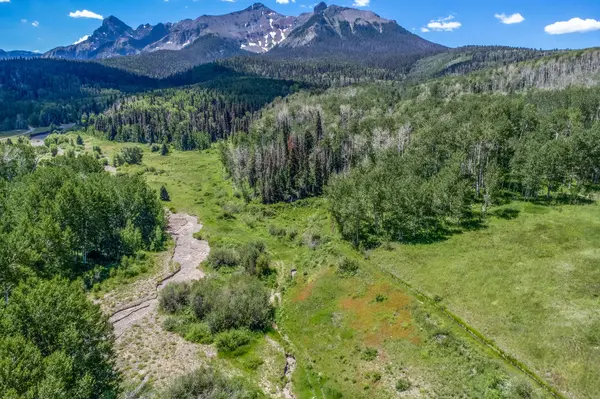
Mature trees, wooded areas, rolling terrain, drainage areas, berms, and changes in elevation can create visual separation.
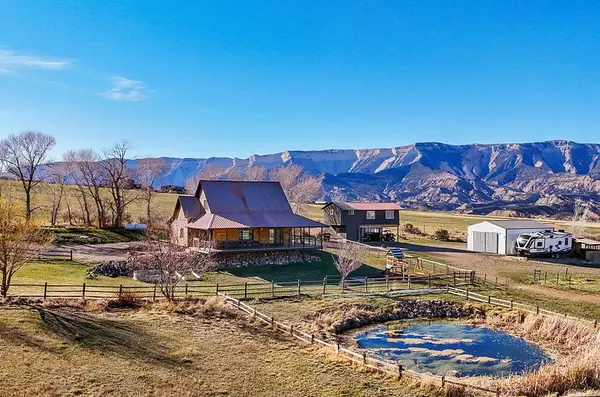
On the other hand, flat, open land may offer beautiful views but less visual privacy.
Neither is inherently better. It depends on what you value.
For some buyers, an unobstructed mountain view is more important than being hidden from nearby homes. For others, a tree-lined driveway and screened backyard may be a higher priority.
Does fencing create privacy?
Fencing can help define a property and provide some separation, but it should not be treated as a complete privacy solution.
If you are considering a horse property, fencing also deserves a closer look for practical reasons. Existing fencing may or may not be appropriate for horses, livestock, pets, or the type of use you have in mind.
Replacing or improving fencing can become a significant ownership expense, particularly on larger parcels.
When Does Privacy Become Isolation?
The line between privacy and isolation usually becomes clearer when you think about daily life rather than the property itself.
A secluded driveway can feel wonderful on a Saturday morning. The same driveway may feel very different when you are driving it during a winter storm, taking children to school, commuting to work, or making a late-night trip for groceries.
This does not mean rural living is inconvenient. Many buyers intentionally choose that lifestyle.
It simply means the tradeoff deserves to be understood before purchasing.
How Does Location Affect Rural Living Near Denver?
For buyers searching for acreage near Denver, location can dramatically change the balance between privacy and convenience.
Areas surrounding Denver, including parts of Douglas County, Jefferson County, Arapahoe County, Adams County, Weld County, and nearby communities, can offer very different combinations of acreage, development, infrastructure, and access.
A property that looks "close to Denver" on a map may have a very different commute depending on the road network and where you need to go each day.
This is especially important for buyers who want a rural or equestrian lifestyle without completely giving up suburban conveniences.
If you want to explore options, you can start here: yourwunderhome.com
What Should You Check Before Buying Rural Land in Colorado?
Privacy is only one piece of the acreage decision.
Before buying Colorado land, I recommend evaluating several practical factors together.
What zoning and land-use rules apply to the property?
Acreage does not automatically mean you can use the property however you want.
Local zoning and land-use regulations can affect whether you can have horses, livestock, agricultural activities, accessory structures, additional residences, home businesses, or other improvements.
Rules can vary significantly by jurisdiction.
If you have a specific plan for the property, verify that the intended use is allowed before assuming the land will accommodate it.
What water rights or water access does the property have?
Water deserves special attention in Colorado.
There is an important difference between having water physically available and having the legal right to use water for a particular purpose.
Depending on the property, buyers may encounter municipal water, a private well, irrigation rights, ditch shares, water augmentation arrangements, or other water-related considerations.
If you are buying land for agricultural purposes, landscaping, horses, or livestock, understand what water is available and what limitations may apply.
When water is an important part of your plans, professional review can be worthwhile.
How will you access the property?
A private driveway can contribute to the feeling of privacy, but access needs to be evaluated carefully.
Determine whether the road is public or private. If it is private, understand maintenance responsibilities and whether there are recorded easements.
Ask who maintains the road and what happens when snow needs to be removed or repairs are required.
An attractive rural property can become a very different proposition if access responsibilities are unclear.
What utilities are available?
Rural properties may have different utility arrangements than suburban homes.
Depending on the location, you may encounter private wells, septic systems, propane, individual wastewater systems, private roads, or other infrastructure considerations.
If a property is undeveloped, determine what will actually be required to make it buildable and livable.
The cost of extending utilities or installing infrastructure can affect the overall economics of a land purchase.
What Should Horse Property Buyers Consider About Privacy?
Horse properties are a great example of why privacy and isolation should be considered separately.
Many equestrian buyers want enough space to ride, keep horses, build barns, or simply enjoy an outdoor lifestyle.
But having horses also creates practical considerations.
You may need to evaluate:
- Zoning and livestock allowances
- Number and type of animals permitted
- Barn and accessory structure regulations
- Pasture conditions
- Fencing
- Water availability
- Hay and feed storage
- Trailer access
- Manure management
- Road conditions
- Distance to feed stores and equestrian services
- Access to trails or riding areas
A property can feel wonderfully private while being less practical for horse ownership than another property with slightly less privacy.
For example, a buyer might prefer a property that is 10 minutes from an equestrian community, feed supplier, or veterinary service rather than choosing a more remote property simply because it has another five acres.
The best choice depends on how you intend to live there.
Is Rural Living Better Than Suburban Living?
There is no universal answer.
Rural and suburban properties solve different lifestyle needs.
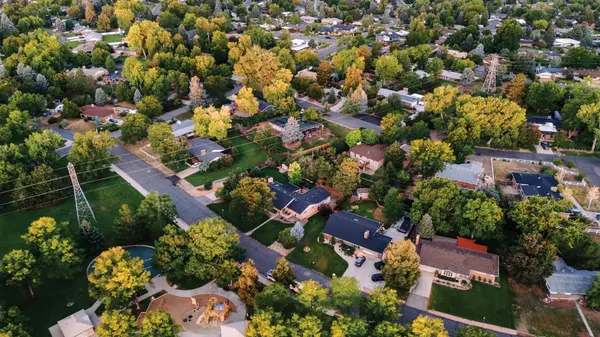
Suburban living may provide easier access to schools, shopping, restaurants, employment centers, and public infrastructure. Rural living may offer more land, fewer immediate neighbors, greater flexibility for outdoor activities, and a stronger connection to open space.
Some buyers want both.
That is one reason acreage properties in communities surrounding Denver can be appealing. Buyers may be able to find a middle ground between a traditional suburban neighborhood and a much more remote rural lifestyle.
The key is identifying which tradeoffs you are comfortable making.
How Can You Tell If an Acreage Property Is Too Isolated for You?
One of the best ways is to test the property as if you already live there.
Don't just visit during a beautiful afternoon.
Drive the route from the property to places you regularly need to visit.
Consider:
- Your normal commute.
- Grocery shopping.
- Schools or childcare.
- Medical services.
- Feed stores or agricultural suppliers.
- Restaurants and entertainment.
- Airport access, if relevant.
- Family and friends.
- Emergency services.
- Winter driving conditions.
Then consider how those trips would feel repeatedly.
A 25-minute drive may sound reasonable when you are excited about a property. After several months, you may decide that 15 minutes would have been more comfortable.
That does not make either decision right or wrong. It simply highlights the importance of matching the property to your actual routine.
What Questions Should You Ask About the Surrounding Properties?
Look beyond the current view.
A property that feels secluded today may be near land that could eventually change.
Research surrounding parcels, existing development, zoning, planned infrastructure, and applicable land-use regulations.
You can also look at what surrounds the property from different directions.
Is there agricultural land nearby? Residential development? Commercial activity? Open space? Major roads?
The surrounding land uses can affect your experience of privacy just as much as your own acreage.
I always recommend exploring data that aligns with your priorities rather than relying entirely on how a property feels during one showing.
How Do You Balance Privacy With Convenience When Buying Colorado Acreage?
Think of the decision as a spectrum rather than a simple choice.
At one end, you might have a property with close neighbors, paved roads, and easy access to services.
At the other end, you might have a large, remote parcel with significant driving distances and fewer nearby services.
Between those extremes are many possibilities.
A buyer looking for a horse property might prioritize 5 to 10 acres, appropriate zoning, good fencing, usable pasture, and reasonable access to equestrian services.
An investor might focus more heavily on zoning, development potential, infrastructure, and surrounding land uses.
A family might prioritize school access and commute time.
A retired buyer might place more emphasis on quiet, scenery, and maintenance requirements.
There is no single acreage formula that works for everyone.
Some clients like to begin here: Your Wunder Home and use the available information to narrow down the type of property and lifestyle they are actually looking for.
What Is the Biggest Mistake Buyers Make With Rural Acreage?
One common mistake is falling in love with the land before understanding the practical details.
The view may be incredible. The house may be beautiful. The acreage may feel exactly right.
But then questions about zoning, water, septic, access, utilities, easements, or land use can change the picture.
That is why due diligence matters so much with rural property.
The goal is not to talk yourself out of a property. It is to understand what you are buying so you can decide whether the property fits your plans.
What Should You Remember When Comparing Colorado Acreage Properties?
When comparing properties, consider creating a simple scorecard.
Rate each property based on the factors that matter most to you:
- Privacy
- Convenience
- Commute
- Zoning
- Water
- Utilities
- Road access
- Horse or agricultural potential
- Existing improvements
- Future development nearby
- Maintenance requirements
- Overall lifestyle fit
This can help separate emotional reactions from practical comparisons.
The "perfect" acreage property may not exist. Instead, the goal is usually to identify the property where the tradeoffs make sense for your particular goals.
FAQ Section
Is more acreage always more private?
Not necessarily. Privacy depends on more than acreage. Neighboring parcel sizes, terrain, vegetation, road placement, fencing, and surrounding development can all influence how private a property feels.
How far outside Denver should I look for privacy?
There is no universal distance. Some buyers can find meaningful privacy relatively close to Denver, while others prefer a more remote setting. Your ideal location depends on your tolerance for commuting, access to services, and desired lifestyle.
Are horse properties usually more isolated?
Not always. Horse properties can range from semi-rural homesites close to established communities to large ranch-style properties farther from urban areas. Zoning, parcel size, surrounding land uses, and local development patterns all matter.
What should I investigate before buying Colorado acreage?
At a minimum, investigate zoning and permitted uses, water availability and rights, septic or wastewater systems, wells, utilities, road access, easements, property boundaries, fencing, and surrounding land uses. Your specific property may require additional due diligence.
How can I know whether a rural property will fit my lifestyle?
Spend time thinking about your actual routine. Test the commute, drive to necessary services, research nearby land uses, consider winter access, and identify how you plan to use the property. What matters most depends on your goals.
The Right Colorado Acreage Property Is About More Than Privacy
Buying acreage is ultimately a lifestyle decision as much as a real estate decision.
For some people, privacy means having room for horses and watching the sunset without seeing another house. For someone else, privacy might simply mean a larger backyard and fewer immediate neighbors.
The important question is not whether a property offers the most privacy.
It is whether the balance of privacy, convenience, land, infrastructure, and permitted use fits the way you want to live.
If you are thinking about buying or selling Colorado acreage, horse property, rural land, or a home in the Denver area, we are happy to be a resource. No pressure, just guidance when you need it.
Categories
Recent Posts