How Much Land Do You Need for Horses in Colorado? A Guide for Buyers Quick Answer:
How Much Land Do You Need for Horses in Colorado? A Guide for Buyers
Quick Answer:
The amount of land you need for horses in Colorado depends on how many horses you plan to keep, whether you want them to graze naturally, and how much pasture maintenance you're comfortable managing. While a smaller acreage property may work for horses with supplemental hay and a well-designed dry lot, properties with productive pasture generally need considerably more land. Zoning, water availability, fencing, and local land-use regulations also play an important role.
If you're considering buying a horse property near Denver, understanding these factors before purchasing can help you find land that supports both your lifestyle and your long-term plans.
Why Does Acreage Matter When Buying Horse Property in Colorado?
Owning horses comes with different land requirements than owning a typical residential property.
A few acres might provide enough room for a home, barn, paddocks, and riding space. However, that doesn't necessarily mean the property can produce enough grass to feed your horses throughout the year.
Colorado's climate makes this distinction especially important.
Unlike regions with consistent rainfall and long growing seasons, much of Colorado experiences relatively low precipitation, dry conditions, seasonal temperature changes, and periods of drought.
These conditions affect pasture growth and the amount of grazing land available.
For buyers exploring horse properties around Denver, Parker, Elizabeth, Castle Rock, Franktown, and surrounding rural communities, the goal should be to understand what the land can realistically support.
There is a difference between having enough acreage to keep horses and having enough productive pasture to support their nutritional needs.
Understanding that difference is one of the first steps toward making an informed purchase.
How Many Acres Do You Need Per Horse in Colorado?
There isn't one acreage number that works for every horse property.
The amount of land required depends on pasture quality, irrigation, soil conditions, grazing management, and whether you're planning to purchase hay.
Here are some general considerations:
Small Acreage: 1 to 2 Acres Per Horse
Smaller properties can work for certain horse owners, particularly those who don't expect the land to provide most of their horses' feed.
For example, a two-acre property might accommodate a horse with appropriate zoning, fencing, shelter, and a designated dry lot.
However, you should expect to provide supplemental hay and manage grazing carefully.
Small acreage properties are often better suited to owners who prioritize convenience, proximity to town, and having their horses at home rather than maintaining large grazing pastures.
Colorado State University Extension explains that small, non-irrigated pastures generally cannot provide a significant amount of feed and can become damaged when horses have unlimited access.
Moderate Acreage: 3 to 10 Acres Per Horse
Properties in this range may offer more flexibility for paddocks, turnout areas, and pasture rotation.
Depending on the quality of the land, some owners may be able to provide limited grazing while supplementing their horses' diets with hay.
However, 3 to 10 acres should not automatically be considered enough pasture to feed a horse year-round.
A property with irrigated grass, healthy soil, and thoughtful pasture management may perform very differently from a dryland property with limited vegetation.
The number of horses, their size, and how frequently they use the pasture also matter.
Larger Acreage: 10 to 30+ Acres Per Horse
If your goal is to provide more natural grazing opportunities, larger properties may offer additional flexibility.
This is particularly relevant when looking at rural and agricultural properties outside the Denver metro area.
One important Colorado-specific consideration is that dryland pasture can have a relatively low carrying capacity.
A Colorado 4-H horse pasture management resource notes that one 1,000-pound horse may require approximately 29 acres of dryland pasture to provide forage for a full year without supplemental feed, depending on the conditions and assumptions used.
That number may surprise buyers who are accustomed to seeing smaller horse properties in suburban areas.
It also illustrates why acreage alone doesn't tell the whole story.
The takeaway: A property can be suitable for keeping horses without producing enough forage to feed them. Those are two different goals, and it's important to understand which one matters most to you.
Can You Keep Horses on 2 Acres in Colorado?
Yes, it may be possible to keep horses on a two-acre property in Colorado, but the answer depends on local zoning regulations, the number of horses, property layout, and how you plan to manage the animals.
For many horse owners, a smaller acreage property can work when there is a combination of:
- A properly designed dry lot or sacrifice area
- Adequate shelter and fencing
- Reliable access to water
- Supplemental hay and appropriate feed storage
- Space for manure management
- Enough room for horses to move comfortably
A dry lot is an area where horses can spend time without grazing on pasture. It helps protect grass during dry periods, winter conditions, and times when vegetation needs to recover.
Colorado State University Extension recommends having a sacrifice area as part of a grazing management system. This gives pasture time to recover instead of allowing horses to continuously graze the same ground.
For buyers considering two to five acres, I would look closely at how the existing property is designed rather than focusing only on the acreage listed in the property description.
A thoughtfully designed two-acre horse property may fit certain owners' needs better than a larger property with poor fencing, limited water access, or an impractical layout.
What Factors Matter More Than the Number of Acres?
When evaluating horse properties, acreage is only one part of the equation.
Here are several things worth investigating before making a purchase.
Is the Property Irrigated?
Water availability can make a significant difference in Colorado.
An irrigated pasture may produce more forage than a comparable dryland pasture, depending on the water supply, soil, grass species, and management practices.
However, buyers should understand that owning land with irrigation infrastructure doesn't automatically mean they own the legal right to use a particular amount of water.
Colorado water rights operate under a prior appropriation system, meaning the right to use water is generally tied to its priority date and other legal conditions.
If a property includes irrigation, investigate:
- Whether irrigation water rights are included in the sale
- Whether those rights are transferable
- The source of the water
- Historical water delivery and availability
- Any ditch company membership or assessments
- Easements associated with irrigation infrastructure
- Whether the existing irrigation system is operational
This is particularly important when purchasing agricultural or horse properties in areas such as Elizabeth, Franktown, Parker, and parts of Douglas and Elbert counties.
A property with irrigation potential may look attractive, but the actual water rights and delivery arrangements deserve independent verification.
What Type of Pasture Does the Property Have?
Not all pastureland produces the same amount of forage.
Some properties have established grasses and relatively productive soil. Others may have native vegetation, rocky terrain, or areas that are better suited to turnout than grazing.
Before purchasing, consider:
- Existing grass species
- Soil quality
- Drainage and erosion
- Weed conditions
- Pasture history
- Irrigation availability
- Opportunities for rotational grazing
Colorado's dry climate can make pasture maintenance challenging, especially on smaller properties.
CSU Extension recommends limiting access to small, non-irrigated pastures when vegetation is stressed. Horses should generally be removed when grass reaches approximately 3 to 4 inches and returned after it grows to approximately 6 to 8 inches.
This type of management can help protect pasture health over time.
Is There Enough Space for Paddocks and Turnout?
A horse property needs more than an open field.
Think about how the property will function throughout the year.
Depending on your goals, you may want:
- Separate paddocks
- A larger turnout area
- A dry lot
- A riding arena
- A barn with individual stalls
- A hay storage area
- Space for equipment
- A manure storage or composting area
The layout matters because horses need usable space, not simply a certain number of acres on paper.
For example, a five-acre parcel with a house in the middle, steep terrain, and limited access to the barn may offer less functional horse space than a similarly sized property with a practical layout.
Does the Property Have Appropriate Fencing?
Fencing is another important consideration.
Look at the condition, placement, and type of fencing already installed.
Common options include:
- Pipe fencing
- Post-and-rail fencing
- No-climb wire fencing
- Electric fencing
- Wood fencing
The right option depends on the horses, property layout, maintenance preferences, and budget.
Don't assume existing fencing is appropriate simply because it is already there.
Inspect gates, corners, posts, wire tension, and potential hazards. It can also be helpful to have an experienced horse professional evaluate the setup before purchasing.
What Colorado Zoning Rules Should You Check Before Buying Horse Property?
This is one of the most important questions buyers should ask.
Colorado does not have one universal acreage requirement that applies to every horse property.
Animal-keeping rules depend on the property's jurisdiction, zoning district, applicable land-use regulations, and potentially recorded covenants or HOA restrictions.
Two properties located only a few miles apart may have different rules.
Jefferson County Horse Property Regulations
Jefferson County determines the types and quantities of animals allowed based on the property's zoning district.
Its regulations also address structures associated with animals, including barns, pens, and runs.
Importantly, some animal-related structures require permits, and not every structure is permitted in every zoning district.
You can review the county's guidance here:
Jefferson County: Outside the Home
Douglas County Horse Property Regulations
Douglas County has regulations governing livestock numbers and animal units.
The county also distinguishes between keeping horses for personal use and operating a commercial horse boarding business.
This distinction matters.
A property that allows personal horse ownership may not automatically allow boarding horses for other people, training operations, or other commercial equestrian activities.
Douglas County also encourages rural property owners to consider pasture management, manure handling, and environmental impacts.
Weld County Horse Property Regulations
For buyers exploring properties north of Denver, Weld County is another area worth researching.
Animal allowances vary based on zoning classifications and applicable animal-unit regulations.
A property's agricultural appearance does not automatically mean every agricultural or equestrian activity is permitted.
Weld County: Planning and Zoning
A practical tip: Before making an offer, contact the appropriate county planning department and confirm the permitted animal use for the specific parcel. Don't rely exclusively on a listing description, a seller's understanding, or the property's previous use.
Which Denver-Area Communities Should You Consider for Horse Property?
The right location depends on your preferred lifestyle, commute, budget, and how much land you want to maintain.
The Denver metro area offers several communities where buyers may find properties with acreage, agricultural characteristics, and equestrian features.
Parker City Horse Property for Sale - Colorado Horse Property
Homes for Sale in Elizabeth, CO with Horse Stables | Realtor.com®
Parker, Colorado
Parker offers a mix of suburban neighborhoods and properties with more rural characteristics.
Depending on the location, buyers may find homes with acreage, barns, paddocks, and established equestrian amenities.
It can be worth exploring for buyers who want some separation from traditional suburban neighborhoods while remaining connected to the Denver metro area.
Elizabeth, Colorado
Elizabeth is worth considering if you are looking for a more rural environment.
Properties in the surrounding area may offer larger parcels, open land, and opportunities for horse ownership.
Buyers should pay particular attention to well permits, septic systems, road access, and water availability.
Franktown, Colorado
Franktown is another area that attracts buyers interested in acreage and equestrian lifestyles.
Some properties offer a combination of residential comfort and rural land features.
As with any acreage purchase, zoning, water rights, access, and existing improvements should be evaluated individually.
Castle Rock and Surrounding Areas
Castle Rock offers a range of residential and rural property opportunities.
Buyers may find properties with existing horse infrastructure or land that could accommodate certain equestrian uses, subject to zoning and other restrictions.
The surrounding area can be particularly interesting for people balancing access to community amenities with a preference for more space.
What About Rural Versus Suburban Horse Properties?
This is ultimately a lifestyle decision.
A suburban horse property may offer shorter commutes, convenient access to shopping, and an established residential setting.
A rural property may provide more privacy, additional acreage, and greater separation from neighboring homes.
However, rural ownership can also mean more responsibility.
You may need to manage a private well, septic system, longer driveways, snow removal, fencing, irrigation, and equipment maintenance.
Neither option is automatically better. What matters most depends on how you plan to use the property and what kind of day-to-day responsibilities you are comfortable taking on.
If you want to explore available properties and get a better feel for the different locations, you can start here: Your Wunder Home.
What Other Property Features Should Horse Buyers Evaluate?
Beyond acreage and zoning, there are several practical details that can affect how enjoyable and manageable a horse property will be.
Water Wells and Water Availability
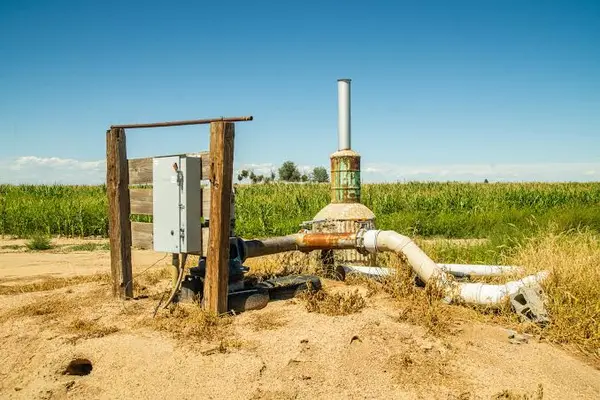
If you're purchasing a rural property, determine whether it relies on a private well or a municipal water system.
For properties with private wells, investigate:
- The well permit and permitted uses
- Whether the well can legally serve the intended household use
- Water production and reliability
- Existing water testing results
- Any limitations on outdoor or livestock-related water use
One important distinction in Colorado is that a household well permit does not automatically authorize unlimited livestock, irrigation, or commercial use.
The permitted uses depend on the specific well and its legal documentation.
You can research well records through the Colorado Division of Water Resources.
Septic Systems
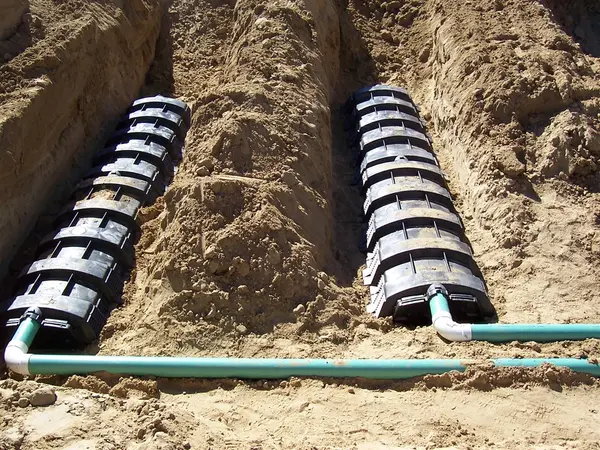
Many rural properties rely on onsite wastewater treatment systems rather than municipal sewer connections.
Before purchasing, understand the septic system's:
- Location
- Age and condition
- Permitted capacity
- Maintenance history
- Leach field location
- Relationship to barns, paddocks, and future improvements
You should also confirm whether the property can accommodate any future additions you are considering.
For example, adding another dwelling, expanding certain structures, or changing property use may create additional permitting requirements.
Barns, Arenas, and Existing Improvements
Existing horse infrastructure can be appealing, but buyers should evaluate its actual condition and functionality.
Consider whether the property has:
- Adequate stall dimensions
- Proper ventilation
- Electricity and lighting
- Water access inside or near the barn
- Hay storage
- Equipment storage
- Trailer access
- Arena drainage
- Appropriate manure management space
A beautiful barn doesn't necessarily mean the property is ready for your horses.
Some improvements may require repairs, updates, or additional approvals.
If you are purchasing land with the intention of building a barn or arena later, verify setbacks, building permits, access, and applicable zoning requirements before assuming those improvements will be allowed.
How Should You Decide How Much Acreage Is Right for Your Horses?
Rather than starting with a specific acreage number, start with how you want to use the property.
Here are a few examples.
|
Your goals |
What to consider |
|
Keep one or two horses at home |
Smaller acreage, dry lot, hay storage, fencing |
|
Provide regular pasture turnout |
Productive pasture, irrigation, rotation |
|
Keep multiple horses |
Legal animal limits, paddock layout, manure management |
|
Operate a boarding facility |
Commercial-use zoning and approvals |
|
Have horses and additional livestock |
Animal-unit restrictions and available land |
|
Build a private equestrian setup |
Barn, arena, utilities, setbacks, access |
A useful exercise is to estimate your total monthly and annual ownership expenses.
Land maintenance, hay, fencing repairs, water, equipment, and manure removal can all contribute to the cost of horse ownership.
You may discover that a smaller, well-designed property makes more sense financially than purchasing substantially more acreage than you actually need.
On the other hand, if privacy, grazing opportunities, and room to expand are important priorities, additional acreage may be worth exploring.
There isn't a universal answer.
The right property is one that aligns with your horses' needs, your intended use, and the responsibilities you are comfortable managing.
If you're considering selling an existing acreage property or preparing to purchase another one, some clients like to begin here: Explore Your Wunder Home.
What Should You Ask Before Making an Offer on a Colorado Horse Property?
Before moving forward, consider putting together a property-specific checklist.
Here are some questions worth discussing with your real estate agent and the appropriate professionals:
- Is keeping horses permitted under the current zoning?
- How many horses are allowed on the parcel?
- Are there HOA rules or recorded covenants restricting livestock?
- Does the property have irrigation water rights?
- Is the pasture irrigated or dryland?
- What is the condition of the fencing and existing paddocks?
- Is the well permitted for the intended use?
- Does the septic system have adequate capacity?
- Are existing barns and arenas properly permitted?
- Would future improvements be allowed?
You may also want to review property surveys, easements, title documents, well records, and applicable land-use approvals.
For properties with significant agricultural or water-related considerations, independent advice from qualified water-rights professionals, land-use specialists, inspectors, and county officials can be particularly helpful.
A little additional research before purchasing can help prevent misunderstandings after closing.
Final Thoughts: Finding the Right Horse Property in Colorado
Buying horse property is about more than finding a home with enough acres.
It's about finding land that works for your horses, supports your lifestyle, and makes sense for your long-term plans.
For some buyers, that might mean a smaller property near Parker with an existing barn and manageable turnout areas. For others, it could mean a larger rural property near Elizabeth or Franktown with additional space, pasture opportunities, and room to grow.
The important thing is understanding what you're purchasing.
Look beyond the acreage listed in the property description. Consider water rights, zoning, pasture quality, fencing, utilities, access, and the overall functionality of the land.
These details can make a meaningful difference in your ownership experience.
At Gabrielle and Ryan Wunderlich, we believe buying or selling real estate should start with education, not pressure. Understanding the property, asking the right questions, and exploring your options can help you make a decision that feels right for your goals.
If you're thinking about buying or selling a horse property, rural acreage, or a home in the Denver area, we're happy to be a resource.
No pressure, just guidance when you need it.
Explore more at Your Wunder Home.
Frequently Asked Questions About Horse Properties in Colorado
How many acres do you need per horse in Colorado?
It depends on whether you want your horses to graze naturally or primarily use the property for turnout and exercise. Smaller properties may work with supplemental hay and a dry lot, while Colorado State University Extension notes that approximately 29 acres of dryland pasture may be needed to provide a 1,000-pound horse's annual forage without supplemental feed under its stated assumptions.
Can you keep horses on 2 acres in Colorado?
Potentially, yes. Two acres may accommodate horses when local zoning permits them and the property has appropriate fencing, shelter, water, and a dry lot. However, you will likely need supplemental hay rather than relying on the property to provide all their forage.
Does Colorado require a minimum amount of land to own horses?
There is no single statewide acreage requirement that applies to every horse property. Requirements vary by county, zoning district, and sometimes HOA restrictions. Always verify the specific parcel's permitted animal use with the local planning department before purchasing.
Is irrigated land better for horses in Colorado?
Irrigated land may support more productive pasture than comparable non-irrigated land, depending on soil, water availability, and pasture management. However, buyers should verify the property's actual water rights, delivery arrangements, and irrigation infrastructure. Irrigation access should never be assumed simply because a property has existing ditches or sprinklers.
What is the best area near Denver to buy horse property?
That depends on your lifestyle, commute, budget, and acreage preferences. Parker, Elizabeth, Franktown, and the surrounding Castle Rock area are worth exploring for buyers interested in rural and equestrian properties. Each location has different zoning requirements, property characteristics, and access to amenities, so evaluating individual properties is important.
Categories
Recent Posts