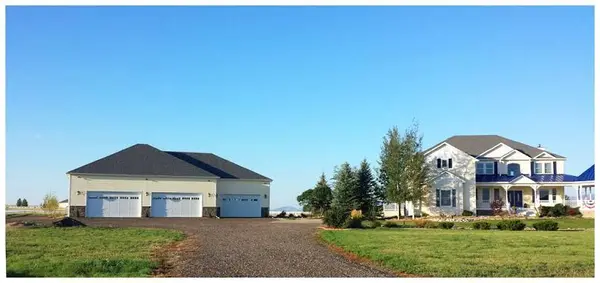
Easements and Land Access in Colorado: What Buyers Should Understand Quick Answer:
Easements and Land Access in Colorado: What Buyers Should Understand
Quick Answer:
Easements determine how you can legally use certain portions of a property or access land owned by someone else. In Colorado, understanding easements is especially important when purchasing rural acreage, horse properties, agricultural land, or homes accessed by private roads. Before buying, review the property's title documents, confirm legal and physical access, and understand any shared maintenance responsibilities or land-use restrictions.
Why Should Buyers Understand Easements Before Purchasing Land in Colorado?
Buying land in Colorado can offer an incredible amount of flexibility, whether you're dreaming of a horse property outside Parker, a small agricultural operation near Elizabeth, or a rural home in the foothills.
But land ownership involves more than the acreage listed in a property description.
One detail that can have a significant impact on how you use your property is an easement.
An easement can affect where you drive, how you reach your home, where utility companies can access your property, and what activities may take place on certain portions of your land.
We've found that buyers sometimes focus heavily on the physical features of a property, such as the house, barn, fencing, pasture, or mountain views. Those details matter, but understanding the legal framework behind the property is just as important.
A beautiful piece of land may have access arrangements or restrictions that aren't immediately obvious during a showing.
The goal isn't to avoid properties with easements. Many properties function perfectly well with them. The goal is to understand what rights exist, who benefits from them, and how they align with your plans.
What Is an Easement in Colorado Real Estate?
An easement is a legal right that allows someone to use a specific portion of another person's property for a defined purpose.
Importantly, an easement generally does not transfer ownership of the land itself. The property owner retains ownership, while another party receives certain rights to use the designated area.
For example, imagine purchasing a five-acre property outside Castle Rock. Your driveway crosses a small portion of your neighbor's property before reaching your home.
You may have an access easement that gives you the legal right to use that driveway.
Other common examples include:
- Utility easements for electrical lines, water lines, and other infrastructure.
- Road easements that allow property owners to reach their land.
- Shared driveway easements between neighboring properties.
- Irrigation easements that allow access to ditches, pipelines, or water infrastructure.
- Drainage easements that provide designated areas for water movement.
The important distinction is that an easement provides specific rights. It does not necessarily give someone unlimited use of the affected area.
The written agreement, recorded documents, and applicable law help determine what is permitted.
What Are the Different Types of Easements Buyers May Encounter?
Not every easement affects a property in the same way. Understanding the common categories can help buyers recognize what to investigate during due diligence.
Access and Right-of-Way Easements
Access easements allow someone to travel across another property to reach their own land or another destination.
These are particularly important for rural Colorado properties.
For example, a parcel outside Elizabeth might not directly connect to a county-maintained road. Instead, the driveway could cross neighboring land through a recorded access easement.
Before purchasing, determine:
- Where the easement is located.
- Who has the right to use it.
- Whether it allows vehicle access.
- Whether its terms address commercial or agricultural traffic.
- Who is responsible for maintenance.
- Whether emergency vehicles can reasonably reach the property.
A legal right to cross land and a driveway that is physically usable are two different things. Buyers should evaluate both.
Utility Easements
Utility easements allow authorized utility providers to install, maintain, repair, or access infrastructure on private property.
These may involve:
- Electrical lines.
- Natural gas pipelines.
- Water lines.
- Telecommunications infrastructure.
- Sewer infrastructure.
A utility easement may limit where you can construct buildings, install certain improvements, or plant trees.
If you're considering adding a barn, detached garage, arena, or workshop, understand where these easements run before finalizing your plans.
Shared Driveway Easements
Shared driveways are common in rural and semi-rural areas around Denver.
Two or more property owners may use the same private road or driveway to access their homes.
This arrangement can work well, but it raises practical questions.
Who pays for grading? Who handles snow removal? Can one owner install a gate? What happens if heavy equipment damages the road?
Some agreements specifically address these responsibilities. Others may leave important details unclear.
Buyers should review the recorded documents and understand how maintenance costs and responsibilities are allocated.
Irrigation and Agricultural Easements
Water is an important consideration when purchasing agricultural land in Colorado.
An irrigation easement may provide access to an irrigation ditch, lateral, pipeline, or other water-related infrastructure.
For someone purchasing a horse property or small agricultural operation, these arrangements can affect how land is irrigated and maintained.
An easement involving irrigation infrastructure does not automatically establish ownership of water rights or guarantee a particular water supply.
Water rights, ditch company shares, irrigation agreements, and physical delivery arrangements should be evaluated separately.
What Is the Difference Between Legal Access and Physical Access?
This is one of the most important questions buyers should ask when purchasing rural land.
Legal access means there is a recognized legal right to reach the property.
Physical access means there is an actual route that can be used to get there.
Ideally, a property has both.
Consider a hypothetical parcel near Kiowa. A dirt road leads directly to the property, and the current owner has used it for years.
At first glance, access seems straightforward.
However, the road may cross another owner's land without a clearly documented access easement. The fact that someone has regularly driven across the property does not automatically mean the buyer has an established legal right to continue doing so.
The reverse can also happen. A recorded easement may provide legal access, but the actual road could be steep, narrow, poorly maintained, or difficult to navigate during winter.
When evaluating a property, consider:
- Whether access is documented.
- Whether the easement is properly described.
- Whether the road physically exists.
- Whether the route is usable throughout the year.
- Whether there are seasonal closures or weather-related limitations.
- Whether the access route can accommodate the vehicles and equipment you expect to use.
For rural buyers, this can make a meaningful difference in everyday ownership.
Can You Buy Land in Colorado Without a Recorded Access Easement?
This question deserves careful attention.
A property without direct frontage on a public road may still have a legal access arrangement. However, buyers should not assume that an established driveway automatically provides a legally enforceable right of access.
Colorado recognizes several ways easements may be created, including express written grants, certain implied easements, easements by necessity, and prescriptive easements.
Each has different legal requirements.
What Is a Prescriptive Easement?
A prescriptive easement is a right to use another person's property that may be established through qualifying long-term use.
Under Colorado law, the general requirements include open or notorious use, continuous use without effective interruption for at least 18 years, and use that is adverse or pursuant to an attempted but ineffective grant.
The legal analysis can be more complicated than simply counting the number of years someone has used a road.
For example, a neighbor regularly driving across a property with the owner's permission does not automatically establish a prescriptive easement.
If a seller tells you, "We've always used that road," treat that as a starting point for further investigation, not proof of legal access.
A Colorado real estate attorney can help evaluate whether an existing access right is legally established.
How Do Easements Affect Horse Properties and Agricultural Land?
Easements deserve additional consideration when the property will support horses, livestock, or agricultural activities.
A residential driveway and an access route for a working horse property may have very different practical requirements.
For example, a buyer purchasing acreage near Elizabeth or Bennett might need regular access for:
- Horse trailers.
- Hay deliveries.
- Feed trucks.
- Veterinary vehicles.
- Farrier services.
- Agricultural equipment.
- Fencing and construction contractors.
A narrow shared driveway that works for a passenger vehicle might be challenging for a large trailer or delivery truck.
When evaluating horse properties, consider the following.
Trailer Access and Road Conditions
Look at driveway width, turning areas, surface conditions, drainage, and available space for larger vehicles.
If an access easement crosses neighboring land, confirm that its terms support your intended use.
Do not assume that a general right of access automatically covers every possible commercial or agricultural activity.
Gates and Fencing
Gates can be useful for managing livestock and maintaining property boundaries.
However, shared access arrangements may include requirements about gate placement, locking mechanisms, or keeping access unobstructed.
If you plan to install fencing, confirm the easement boundaries and applicable restrictions before beginning work.
Maintenance and Heavy Equipment
Rural roads may require periodic grading, gravel replacement, snow removal, or drainage improvements.
If multiple owners share an access route, understand how these expenses are handled.
This is particularly important when the road needs to support regular deliveries or heavier agricultural vehicles.
Future Improvements
If you plan to build an indoor arena, additional barns, or expanded livestock facilities, consider how construction traffic and future access requirements may affect the property.
An easement that works for your current needs may not necessarily support every future plan.
How Can Easements Affect Property Value and Future Resale?
Easements do not automatically make a property less desirable or reduce its value.
Their impact depends on several factors, including their location, purpose, terms, and effect on the property's intended use.
For example, a utility easement along the edge of a large acreage parcel may have little practical impact on a buyer's plans.
On the other hand, an access easement running through the center of a proposed building site could create significant planning considerations.
Potential buyers may want to understand:
- How much usable land is affected.
- Whether the easement limits building locations.
- Whether neighboring owners have access across the property.
- Whether maintenance costs are shared.
- Whether the easement could affect privacy.
- Whether the arrangement is clearly documented.
Future resale is also worth considering.
A property with clearly documented access rights and understandable maintenance agreements may be easier for a future buyer to evaluate.
Everyone defines property value differently. What matters most depends on your goals, intended use, and the available market data.
What Documents Should You Review Before Buying Land in Colorado?
Due diligence is where easement questions should be addressed.
Rather than relying only on the seller's description or what you see during a property tour, review the documents that establish the property's legal rights and restrictions.
Important documents may include:
Title Commitment
A title commitment identifies recorded matters that may affect ownership, including certain easements, covenants, and restrictions.
Read the exceptions carefully. Do not assume every easement is visible from the property itself.
Recorded Easement Agreements
These documents can explain who benefits from an easement, where it is located, and what activities are permitted.
Pay attention to maintenance responsibilities and limitations on use.
Property Survey or Improvement Location Certificate
A licensed surveyor can help identify boundaries and the physical location of improvements and certain recorded easements.
A survey may be particularly helpful when a driveway, fence, barn, or other improvement appears close to a property boundary.
Plat Maps and Recorded Subdivision Documents
These documents can provide additional information about access routes, dedicated roads, easements, and subdivision restrictions.
Private Road or Maintenance Agreements
If a property relies on a shared road, determine whether there is a written agreement explaining maintenance obligations and cost-sharing arrangements.
County Planning and Land Use Information
Contact the appropriate county or municipal planning department to understand zoning, access requirements, development limitations, and applicable permits.
An existing access easement does not automatically mean a proposed building or land use will receive approval.
For properties in areas such as Douglas County, Elbert County, Arapahoe County, and Jefferson County, requirements can vary depending on the jurisdiction and parcel.
What Questions Should You Ask Before Closing on a Property With an Easement?
A few targeted questions can help uncover issues before they become ownership concerns.
Consider asking:
- Is there a recorded easement providing legal access to the property?
- Who has the right to use the easement?
- Does the easement allow the type of vehicle and activity I anticipate?
- Who maintains the road or driveway?
- Are there written maintenance or cost-sharing agreements?
- Are there restrictions on gates, fencing, construction, or landscaping?
- Does the easement affect potential building sites?
- Are there any known access disputes or unresolved issues?
- Does the property have year-round physical access?
- Have the county and relevant utility providers confirmed applicable access requirements?
These questions are useful whether you're purchasing a rural home, horse property, agricultural acreage, or a residential property with a shared driveway.
The answers should be evaluated in the context of your plans, not simply accepted as general assurances.
Why Does Local Knowledge Matter When Buying Land Around Denver?
The Denver metropolitan area includes a wide range of property types and ownership arrangements.
A home in a suburban neighborhood may have a utility easement or shared driveway.
A property outside Parker, Castle Rock, Elizabeth, or Kiowa may involve private roads, agricultural access, irrigation infrastructure, or longer distances to public services.
Properties in the foothills may introduce additional considerations involving terrain, road conditions, seasonal access, and emergency vehicle access.
There is no single checklist that works equally well for every property.
For example, a buyer looking for a small horse property may prioritize trailer access, pasture layout, and barn placement.
Someone purchasing undeveloped acreage may be more concerned with legal road access, utility availability, future building locations, and county development requirements.
The important thing is to connect the legal details with the lifestyle you're hoping to create.
If you want to explore available properties and learn more about the local market, you can start here:
https://www.yourwunderhome.com/listing
Final Thoughts: Understand Your Access Before You Buy
Easements are a normal part of many Colorado real estate transactions. They are not necessarily a problem, but they should never be overlooked.
Before purchasing land, take time to understand how you legally access the property, who else may have rights to use it, and what responsibilities come with those arrangements.
This becomes especially important when purchasing horse properties, agricultural land, or rural homes where access can influence daily operations and future improvements.
Our approach with buyers is to look beyond the listing description and consider how the property will actually function once someone owns it.
That means asking questions, reviewing available documentation, and bringing in the appropriate professionals when something needs a closer look.
If you're comparing properties or beginning to explore rural living around Denver, some clients like to begin by learning more about the people and process behind their real estate decisions:
https://www.yourwunderhome.com/reviews
And if you're thinking about buying or selling, Gabrielle and Ryan Wunderlich are happy to be a resource. You can explore more information and connect with us here:
https://www.yourwunderhome.com/
No pressure, just thoughtful guidance to help you make a confident decision about your next property.
Frequently Asked Questions About Easements and Land Access in Colorado
- Does every property in Colorado need a recorded access easement?
No. Properties with direct access to a public road may not need a separate private access easement. However, properties that rely on roads crossing another person's land should have their legal access rights carefully verified. Buyers should review title documents and consult a real estate attorney if access rights are unclear.
- Can a neighbor use my property because they have an easement?
Yes, within the scope of their legally established easement rights. However, an easement does not give someone unlimited use of your property. The permitted activities, location, and extent of use depend on the easement documents and applicable law.
- Who is responsible for maintaining a shared driveway in Colorado?
Maintenance responsibilities depend on the recorded easement, any private road maintenance agreement, and potentially other applicable legal obligations. Buyers should determine how grading, snow removal, repairs, and other expenses are handled before purchasing a property with shared access.
- Can an easement affect where I build a barn or arena?
Yes. Easements can restrict where certain improvements may be placed, depending on their location and terms. Buyers considering horse properties or agricultural land should review easement documents, property surveys, zoning requirements, and county building regulations before planning improvements.
- How can I verify legal access before buying rural land in Colorado?
Start by reviewing the title commitment, recorded easement documents, subdivision plat, and available surveys. Confirm that the property has both legal and practical access. If questions remain about the validity or interpretation of an access right, consult a Colorado
Categories
Recent Posts