Buying a Horse Property Near Denver: A Complete Buyer Checklist Quick Answer:
Buying a Horse Property Near Denver: A Complete Buyer Checklist
Quick Answer:
Buying a horse property near Denver involves more than finding a home with enough acreage and a barn. Buyers should carefully evaluate zoning, water availability, land use restrictions, fencing, pasture conditions, equestrian infrastructure, and access to riding facilities. The right property depends on how you plan to use your land, how many horses you intend to keep, and the lifestyle you want to create in Colorado.
If you're considering a move toward rural or equestrian living, understanding these details before making an offer can help you make a more informed decision.
Why Are Horse Properties Near Denver So Appealing?
For many buyers, owning a horse property is about more than real estate. It's about having the freedom to care for animals at home, enjoy more outdoor space, and create a lifestyle that feels connected to the land.
The Denver area offers several opportunities for buyers looking for this type of property. Depending on your budget, commute, and preferred setting, you might explore communities such as:
- Elizabeth: Known for its rural character, larger parcels, and agricultural lifestyle.
- Franktown: Offers acreage properties and a mix of established rural homes and newer developments.
- Castle Rock: Provides a combination of residential amenities, open space, and properties with acreage.
- Parker: Features equestrian communities, suburban conveniences, and properties with horse facilities.
- Kiowa: Appeals to buyers seeking a more rural environment and larger land parcels.
- Brighton and Hudson: Offer additional opportunities for buyers exploring agricultural properties and open land.
- Larkspur: Provides a foothills setting with acreage properties and access to outdoor recreation.
Each area offers something different. A property in Parker may provide a different balance of convenience and equestrian amenities than a larger parcel near Kiowa.
The important question is not simply where you can find acreage. It's where your preferred lifestyle, daily responsibilities, and long-term plans make the most sense.
How Much Land Do You Actually Need for Horses?
One of the first questions buyers ask is how much acreage they need to own horses.
The answer depends on several factors, including the number of horses, pasture quality, soil conditions, irrigation, grazing management, and whether you plan to supplement pasture with hay.
A property with five acres might work for one buyer with a small number of horses and an established dry-lot management system. Another buyer may need significantly more acreage because they want rotational grazing, multiple paddocks, or additional livestock.
What Should You Evaluate When Looking at Acreage?
Consider the following:
- Number of horses: How many animals do you currently own, and might that number change?
- Pasture availability: Is there usable grazing space, or is most of the acreage wooded, sloped, or otherwise unsuitable?
- Dry-lot space: Is there room to manage horses without relying entirely on pasture?
- Hay storage: Is there enough space for seasonal feed storage?
- Turnout areas: Can you create separate paddocks for different horses?
- Drainage: Does the property develop muddy or poorly drained areas?
- Future expansion: Could you add another paddock, shelter, or riding arena?
Remember that total acreage and usable acreage are not always the same.
A 10-acre property with steep terrain, limited usable pasture, and drainage issues may function differently from a flatter 6-acre property with established fencing and well-planned turnout areas.
Practical tip: Walk the entire property if possible. Look beyond the house and existing improvements to understand how the land actually functions.
What Zoning and Land Use Restrictions Should You Check?
Zoning is one of the most important parts of buying a horse property in Colorado.
Just because a property has a barn, fencing, or horses already living on it does not automatically mean every intended use is permitted.
Local zoning regulations determine what activities are allowed, including livestock ownership, agricultural uses, accessory structures, and certain commercial activities.
Does Agricultural Zoning Automatically Allow Horses?
Not necessarily.
Colorado properties may have different zoning classifications depending on their location and county. Agricultural zoning can provide opportunities for certain livestock and land uses, but the specific rules vary.
For properties near Denver, you may encounter zoning regulations from:
- Douglas County
- Elbert County
- Arapahoe County
- Adams County
- Jefferson County
- Weld County
- City and municipal jurisdictions
Before purchasing, investigate:
- Whether horses are permitted on the property.
- Whether there are limits on the number of animals.
- Minimum acreage requirements, if applicable.
- Setbacks for barns, shelters, and fencing.
- Restrictions on accessory buildings.
- Rules for riding arenas and outdoor structures.
- Whether boarding or other commercial equestrian activities are allowed.
- HOA or covenant restrictions.
Why Should You Verify Existing Improvements?
An existing barn or riding arena may have been constructed under older regulations or may have specific permits attached to it.
Ask for available building permits, property records, and documentation for existing improvements.
If you plan to add a barn, arena, or additional shelters after closing, contact the appropriate county planning and building departments before purchasing.
You can also review the property's recorded covenants and restrictions. Private restrictions can affect land use even when county zoning appears to allow your intended activities.
The takeaway: Evaluate the property based on what you are legally allowed to do, not just what the current owner is doing.
How Important Are Water Rights and Water Availability?
Water deserves special attention when purchasing rural or agricultural property in Colorado.
For horse owners, water is necessary for daily animal care, property maintenance, and potentially pasture irrigation.
However, having a well or irrigation system does not automatically mean you have unlimited water rights.
What Is the Difference Between Well Water and Water Rights?
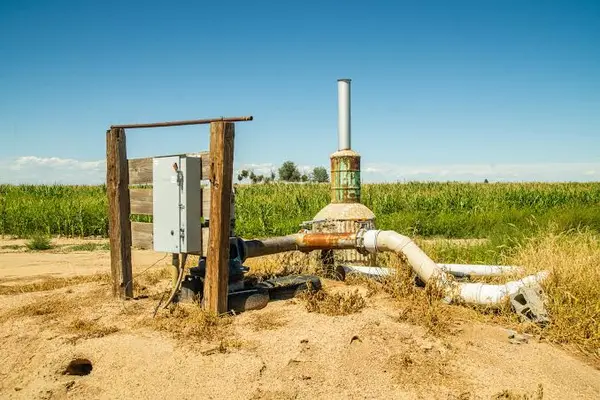
A private well provides access to groundwater under an approved well permit.
The permit determines the authorized uses and limitations of that well. Some permits allow household use, while others may have specific livestock or irrigation allowances.
Surface water rights and irrigation rights are separate legal interests that may have their own documentation, priorities, and limitations.
Before purchasing, review:
- The well permit and permitted uses.
- Whether the well is registered and properly documented.
- Available well production information.
- Water quality testing.
- Whether livestock watering is permitted.
- Whether irrigation rights are included in the sale.
- Any shared well agreements.
- Water storage or augmentation requirements, where applicable.
For example, a property may have a well that supports household use and domestic animals but does not authorize irrigation of several acres of pasture.
That distinction can significantly affect how you manage your horses and land.
For Colorado-specific research, buyers can consult the Colorado Division of Water Resources and request assistance understanding the property's well records and applicable water rights.
Practical tip: Do not assume that a previous owner's water usage establishes your legal right to continue that use. Verify the actual permit and documentation.
What Horse Property Infrastructure Should You Inspect?
Existing equestrian improvements can make a property more convenient, but their condition and functionality matter.
A barn, arena, and fenced pasture may look impressive during a showing. The more important question is whether they meet your everyday needs.
Barns and Shelters
Inspect:
- Roof condition and potential leaks.
- Structural integrity.
- Stall dimensions and layout.
- Ventilation and airflow.
- Flooring and drainage.
- Electrical systems.
- Water access.
- Hay and equipment storage.
- Manure management areas.
Consider how the barn will function throughout Colorado's changing seasons.
Winter temperatures, snow accumulation, summer heat, and seasonal storms can all influence the usefulness of an equestrian structure.
Fencing and Paddocks
Fencing is another important consideration.
Look for:
- Secure perimeter fencing.
- Appropriate fencing materials for your horses.
- Gates that are easy to operate.
- Safe spacing between fencing materials.
- Separate turnout areas.
- Access for trailers and maintenance equipment.
Existing fencing may need repairs or replacement, even when it appears functional during a showing.
Riding Arenas
If riding at home is important, evaluate the arena carefully.
Consider its dimensions, footing, drainage, grading, and maintenance requirements.
An arena that looks attractive in listing photos may need additional work before it is suitable for your riding discipline.
Think about whether you need space for recreational riding, dressage, jumping, or another activity.
The intended use should guide your evaluation.
Is Rural Living or Suburban Horse Property Living Right for You?
Not every horse property offers the same lifestyle.
Some buyers want a private rural setting with room to expand. Others prefer an equestrian neighborhood where they can enjoy horse ownership while staying relatively close to shopping, schools, and employment centers.
What Are the Differences?
Rural properties
Potential advantages include:
- Larger parcels.
- Greater privacy.
- More flexibility, depending on zoning and restrictions.
- Space for agricultural activities.
- Opportunities for additional livestock or land improvements.
Things to consider:
- Longer drives for groceries and services.
- Greater responsibility for property maintenance.
- Potentially limited access to utilities.
- Private road or driveway maintenance.
- More responsibility for snow removal and land management.
Suburban equestrian properties
Potential advantages include:
- Access to nearby shopping and services.
- Established equestrian communities.
- Potential access to community riding amenities.
- More predictable neighborhood infrastructure.
Things to consider:
- HOA restrictions.
- Recorded covenants.
- Limitations on the number of horses.
- Smaller usable acreage.
- Community-specific maintenance requirements.
Neither option is automatically better.
Everyone defines the ideal horse property differently. What matters most depends on how much privacy, convenience, flexibility, and hands-on land management you want in your everyday life.
What Should You Know About Utilities and Property Access?
Rural properties can have infrastructure that differs significantly from traditional suburban homes.
Before making an offer, understand how the property receives essential services.
Utilities Checklist
Verify the availability and condition of:
- Electricity.
- Natural gas or propane.
- Internet and cellular service.
- Private well or water service.
- Septic system.
- Heating and cooling systems.
- Backup power, if applicable.
Internet access deserves particular attention if you work remotely.
Service availability can vary considerably between properties, even within the same general community.
What About Septic Systems?
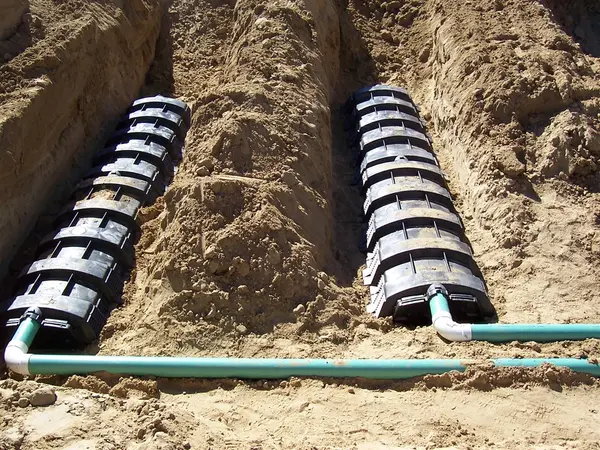
Many rural homes use private septic systems rather than municipal sewer connections.
Ask for available septic permits, inspection records, and maintenance documentation.
You should understand the system's approved capacity and whether it can accommodate your household's needs.
Also investigate whether future additions, such as an accessory dwelling or additional bedrooms, would require changes to the existing system.
Why Does Property Access Matter?
Access can become especially important when owning horses and transporting hay, feed, equipment, and trailers.
Review:
- Whether the property has legal access.
- Whether the road is publicly or privately maintained.
- Recorded access easements.
- Seasonal road conditions.
- Driveway width and turning space.
- Trailer access and parking.
- Snow removal responsibilities.
A beautiful rural property may become less convenient if large vehicles cannot easily reach the barn or turnaround area.
What Should You Consider When Evaluating the Property's Long-Term Costs?
Owning acreage and horses involves expenses that may not be obvious during a typical home purchase.
Beyond the mortgage, taxes, and insurance, buyers should consider the ongoing cost of maintaining both the residence and the land.
Potential Expenses Include:
|
Expense |
What to Evaluate |
|
Fencing |
Repairs, replacement, and expansion |
|
Barn maintenance |
Roofing, structural repairs, and electrical work |
|
Hay and feed |
Seasonal costs and storage |
|
Water systems |
Well maintenance, pumps, and irrigation |
|
Septic |
Inspections, pumping, and repairs |
|
Property maintenance |
Mowing, grading, and weed control |
|
Snow removal |
Driveways, access roads, and barn areas |
|
Insurance |
Home, outbuildings, liability, and livestock-related coverage |
|
Manure management |
Removal, composting, and disposal |
Property taxes also deserve attention.
Colorado agricultural classification and associated tax treatment have specific eligibility requirements. Owning horses or purchasing acreage does not automatically qualify a property for agricultural assessment.
Buyers should review the property's current classification with the county assessor and understand how a change in ownership or land use could affect its future tax treatment.
If you're exploring financing options, some clients like to begin here: Get pre-approved.
Understanding your financing position early can help you evaluate properties with a more realistic overall budget.
What Questions Should You Ask Before Making an Offer?
Before moving forward on a horse property near Denver, take time to ask questions that go beyond the home's appearance.
Here is a practical buyer checklist to use during your property search.
Horse Property Buyer Checklist
Land and acreage
- How many total acres does the property include?
- How much acreage is actually usable?
- Is the terrain suitable for turnout and grazing?
- Are there drainage or erosion concerns?
Zoning and restrictions
- Are horses permitted under current zoning?
- Are there animal-count limitations?
- Do HOA rules or covenants restrict equestrian activities?
- Are existing barns and structures properly permitted?
Water
- Is there a private well or municipal water?
- What uses are permitted under the well permit?
- Are irrigation rights included?
- Are there shared water agreements?
Equestrian facilities
- Are stalls and shelters in good condition?
- Is the fencing appropriate?
- Is there an arena?
- Is there sufficient hay and equipment storage?
- Are paddocks and gates functional?
Home and infrastructure
- Has the septic system been evaluated?
- Are utilities sufficient for the property?
- Is internet service available?
- Is there legal and practical property access?
Financial considerations
- What are the property taxes?
- What insurance coverage is available?
- What repairs or improvements may be needed?
- Are there ongoing road or shared maintenance costs?
Some of these questions can be answered through public records, while others may require professional inspections, surveys, or conversations with county officials.
The goal is to understand what you are purchasing before committing to it.
How Can You Find the Right Horse Property Near Denver?
Finding a horse property is often a more detailed process than searching for a traditional residential home.
Two properties with similar acreage and asking prices can offer very different opportunities depending on their zoning, water access, infrastructure, and usable land.
Start by defining your priorities.
For example, a buyer with two recreational horses may prioritize a manageable barn, secure turnout areas, and convenient access to riding trails.
A buyer planning to board horses or operate a training facility may need more acreage, additional infrastructure, and specific zoning approval.
An investor evaluating rural land may focus more heavily on access, permitted uses, utilities, and future development considerations.
Once you understand your priorities, compare properties based on how well they support your actual plans.
You can browse available homes and properties here: Explore current listings.
As you evaluate options around Denver, Parker, Elizabeth, Franktown, Castle Rock, and surrounding communities, remember that the details behind the property can matter just as much as the listing itself.
Why Does Local Guidance Matter When Buying a Horse Property?
Buying rural or equestrian real estate often involves more moving parts than a conventional home purchase.
A property may look ideal but have limitations involving water rights, zoning, access, septic capacity, or existing improvements.
Having the right professionals involved can help you investigate these details before closing.
Depending on the property, your due diligence team may include:
- A real estate agent familiar with rural and equestrian properties.
- A qualified home inspector.
- A well inspection professional.
- A septic system inspector.
- A land surveyor.
- A water rights attorney or qualified water professional.
- A county planning or zoning representative.
- An insurance professional familiar with acreage properties.
Gabrielle and Ryan Wunderlich believe buyers should understand both the opportunities and responsibilities that come with owning land.
The goal is not simply to find a property that looks right. It is to help you understand whether the property supports the lifestyle and long-term plans you have in mind.
If you want to explore your options or learn more about the Denver-area real estate market, you can start here: Your Wunder Home.
Final Thoughts: Finding a Horse Property That Fits Your Lifestyle
Buying a horse property near Denver is an opportunity to create a lifestyle that combines homeownership, land ownership, and your passion for horses.
But finding the right property involves looking beyond the house, barn, and acreage. Understanding zoning, water, land use, infrastructure, and ongoing maintenance can help you make a decision that feels right for your goals.
Whether you're looking for a small acreage property for a few horses, a larger agricultural property, or a rural home with room to grow, taking the time to understand the details is worthwhile.
Gabrielle and Ryan Wunderlich work with buyers and sellers throughout the Denver area, helping them navigate the questions that come with residential, rural, and lifestyle-driven real estate.
If you're thinking about buying or selling, we're happy to be a resource. Explore Your Wunder Home whenever you're ready.
No pressure, just thoughtful guidance to help you make confident real estate decisions.
FAQ Section
- How much acreage do you need to own horses in Colorado?
The acreage needed depends on the number of horses, pasture quality, soil conditions, irrigation availability, and your management approach. Some properties can accommodate horses using dry lots and supplemental hay, while others offer larger pastures for grazing. Always verify local zoning, animal limits, and land use restrictions before purchasing.
- Can you keep horses on residential property near Denver?
Sometimes. Whether horses are allowed depends on the property's zoning, acreage, municipal regulations, and any applicable HOA rules or recorded covenants. Some residential and equestrian communities permit horses under specific conditions, while others restrict livestock ownership. Verify the property's permitted uses with the appropriate local jurisdiction.
- Do you need water rights to own a horse property in Colorado?
Not necessarily. Some properties have permitted private wells that authorize household use and watering domestic animals. However, irrigation and certain other uses may require additional water rights or approvals. Buyers should review the well permit, permitted uses, and any included water rights before purchasing.
- What areas near Denver are popular for horse properties?
Buyers frequently explore Parker, Elizabeth, Franktown, Castle Rock, Kiowa, Larkspur, Brighton, and surrounding rural communities. Each area offers different combinations of acreage, equestrian infrastructure, commute times, and access to services. The right location depends on your budget and preferred lifestyle.
- What is the most important thing to check before buying a horse property?
There is no single factor that applies to every buyer. However, zoning, water availability, legal access, usable acreage, and the condition of existing equestrian improvements deserve particular attention. These factors help determine whether you can legally and practically use the property as intended.
Categories
Recent Posts