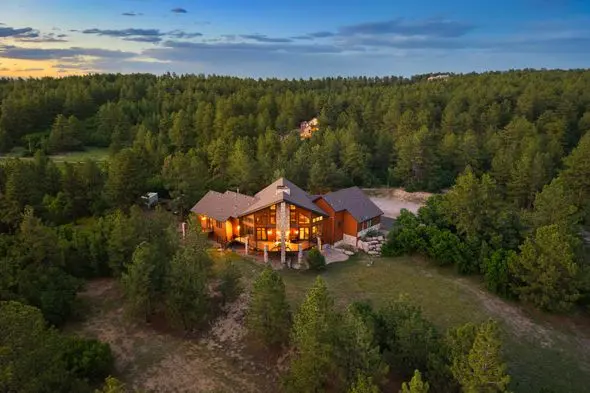
Horse Property Layout: Why the Way the Land Is Designed Matters Quick Answer
Horse Property Layout: Why the Way the Land Is Designed Matters
Quick Answer
When you're looking at a horse property, the layout of the land can matter just as much as the house itself. Where the barn, fencing, pasture, driveway, water sources, and riding areas sit on the property can have a major effect on how practical the property feels day to day.
For buyers in Denver and surrounding areas, the right layout depends on your goals, the number of horses you plan to keep, local land-use rules, and how you want to use the property. A beautiful piece of acreage isn't necessarily a functional horse property, so it's worth looking beyond the house and evaluating how the entire property works together.
Why does horse property layout matter so much?
One of the biggest differences between buying a typical residential property and buying a horse property is that you're evaluating more than a home.
You're evaluating a small system.
The house, barn, paddocks, pastures, fencing, driveway, water, storage areas, manure management, and access points all need to work together. If one part of that system is inconvenient, you may notice it every day.
For example, imagine a property with a beautiful home, a newer barn, and several acres. On paper, it sounds ideal. But what if the barn is located at the opposite end of the property from the house? What if water has to be hauled a long distance? What if the driveway makes it difficult for a trailer to reach the barn? What if the pasture layout creates unnecessary mud during wet seasons?
These aren't necessarily deal breakers. They are simply factors to understand before deciding whether a property fits your lifestyle.
Everyone defines a "good" horse property differently. Someone who wants a few horses primarily for personal enjoyment may have very different priorities than someone who wants multiple pastures, an arena, livestock facilities, or space for a trailer and equipment.
What should you look for in a horse property layout?
A useful way to evaluate a horse property is to walk the property as if you already live there.
Instead of looking only at the finishes in the kitchen or the size of the primary bedroom, think about what a normal morning would look like.
Where would you park? How would you get from the house to the barn? Where would the horses move? Where would you store hay? How would you bring in a trailer? Where would water come from?
Here are several areas worth examining.
How are the barn and house positioned?
The relationship between the home and horse facilities can have a meaningful impact on convenience.
Some owners prefer the barn close to the house because they want easy visibility and shorter trips for feeding and checking horses. Others prefer more separation between residential and agricultural areas.
Neither approach is automatically right.
What matters most depends on your routine, the property's topography, existing improvements, and how you want to use the land.
Pay attention to the walking distance, terrain, lighting, drainage, and whether the route between the house and barn is practical during winter weather.
Does the property have enough usable land?
Acreage numbers can be misleading.
A property may have 10 acres, but not all 10 acres are necessarily usable for horses. Steep slopes, wetlands, drainage areas, heavily wooded sections, easements, structures, setbacks, or other restrictions can affect how much land is realistically available.
This is one reason I encourage buyers to distinguish between total acreage and usable acreage.
For example, two properties might each have 10 acres. One could have a relatively open layout that works well for pasture and fencing. The other might have significant portions of the property that are difficult or impractical to use.
When comparing horse properties, look at the shape, terrain, access, vegetation, drainage, and existing restrictions, not just the acreage listed in the MLS.
How does fencing affect a horse property?
Fencing is one of those features that can be easy to overlook during an initial showing.
It shouldn't be.
Look at the condition of existing fencing and think about whether the configuration works for your horses. You may want separate areas for turnout, grazing, introductions, feeding, or temporary separation.
The placement of gates matters, too.
A gate that looks perfectly adequate for a person may not be convenient for a tractor, hay delivery, horse trailer, or other equipment.
It's also worth considering how easily you can move between different areas of the property. A well-planned layout can make chores more manageable because you aren't constantly working around awkward gates, narrow access points, or poorly positioned structures.
How important is water when buying a Colorado horse property?
Water deserves special attention in Colorado, particularly when you're considering acreage or agricultural land.
The question isn't simply whether the property has water. You need to understand what water is available, how it can be used, and what rights or permits are associated with it.
Depending on the property, water considerations may include a private well, municipal water, irrigation water, ditch or shares, livestock water, ponds, or other sources.
The details can vary significantly from one property to another.
If you're buying land for horses, ask questions about both household water and water used for landscaping, pasture, livestock, or irrigation. Don't assume that water available for one purpose can automatically be used for another.
Colorado water rights can be complicated, and the appropriate questions depend on the specific property. Reviewing available documentation and consulting qualified professionals when necessary can help you understand what you're actually purchasing.
What role does drainage play in horse property design?
Colorado's changing weather can make drainage an important practical consideration.
Walk the property after rain if possible, or look for evidence of where water travels. Low areas, drainage channels, compacted ground, and poorly positioned gates can become muddy or difficult to navigate.
Think about the areas you will use most often.
If the path from the house to the barn becomes muddy every spring, that may affect your daily routine. If water collects around a gate, you may eventually need to address it.
Again, this doesn't automatically make a property a poor choice. It simply gives you information to include in your decision.
How does access affect a horse property?
Access is another consideration that can become much more important once you start using the property.
A typical homeowner may primarily think about getting a car into the garage.
A horse-property owner may also need to think about horse trailers, hay deliveries, agricultural equipment, contractors, veterinarians, farriers, and other service providers.
Ask yourself:
- Can a trailer comfortably reach the barn?
- Is there enough room to turn around?
- Are gates positioned appropriately?
- Is the driveway suitable for the vehicles you expect to use?
- Are there shared roads or private roads?
- Are there recorded easements affecting access?
An attractive rural property can become frustrating if everyday access doesn't match your needs.
If an access easement exists, review the documents rather than relying only on what you can see from the driveway.
Does zoning determine whether you can keep horses?
Zoning and land-use regulations are critical when purchasing a Colorado horse property.
This is especially important when you're looking outside Denver in communities such as Parker, Castle Rock, Elizabeth, Franktown, Evergreen, or other surrounding areas. Regulations can differ between municipalities and counties, and properties with similar acreage may have different permitted uses.
Don't assume that because a property already has a barn or horses are currently kept there, every future use is automatically permitted.
Depending on the jurisdiction and property, you may need to investigate permitted livestock, accessory structures, setbacks, building requirements, fencing, agricultural uses, occupancy rules, or other land-use considerations.
If you're considering adding an arena, additional stalls, a guest structure, additional fencing, or another improvement, investigate those plans before assuming they can be built.
Local planning and zoning departments can be valuable sources of information, and specialized professionals may be appropriate for more complicated questions.
How does rural living differ from suburban horse ownership?
Not every horse property offers the same lifestyle.
A property farther from Denver may provide more acreage or a stronger rural feel, but it can also mean longer drives, fewer nearby services, different road conditions, and more responsibility for maintaining the property.
A suburban or semi-rural horse property may offer closer access to shopping, schools, employment centers, and services, but potentially with less acreage or more land-use restrictions.
There's no universal answer about which is better.
What matters most depends on your priorities.
If your main goal is having horses at home while staying relatively close to Denver, you may prioritize location and convenience. If your goal is more land, privacy, agricultural use, or a larger equestrian setup, you may be willing to travel farther.
A useful exercise is to write down your non-negotiables before touring properties.
What should buyers consider before purchasing acreage for horses?
Before making an offer, I recommend looking at the property as both a home and a piece of land.
Here is a practical checklist:
- Confirm the zoning and permitted uses.
Understand whether your intended horse and agricultural uses are allowed. - Investigate water.
Identify the property's water sources, rights, permits, and practical availability. - Evaluate usable acreage.
Look beyond the total acreage and consider terrain, drainage, easements, and restrictions. - Inspect the fencing.
Consider condition, configuration, gates, and whether the setup works for your horses. - Walk the access routes.
Think about trailers, hay deliveries, equipment, and winter conditions. - Examine the barn and other improvements.
Look at construction, drainage, utilities, ventilation, storage, and functionality. - Consider future plans.
If you want an arena, additional pasture, another barn, or other improvements, investigate feasibility before purchasing. - Think about daily life.
Imagine feeding, watering, cleaning stalls, moving horses, storing supplies, and maintaining the property throughout the year.
This process can reveal issues that aren't obvious during a quick showing.
How can the layout affect the long-term ownership experience?
One of the things I hear from land and horse-property buyers is that they often become much more aware of layout after they start using the property.
A few extra minutes walking to the barn may not seem important during a 30-minute showing. After doing it twice a day for years, it can become a meaningful part of the ownership experience.
The same is true for gates, water lines, pasture configuration, equipment access, and storage.
That doesn't mean you should only consider properties with perfect layouts. In reality, very few properties will check every box.
Instead, consider which characteristics are difficult or expensive to change and which ones can realistically be improved later.
Moving a fence may be relatively straightforward compared with changing a driveway, relocating a barn, addressing a drainage issue, or resolving a land-use restriction.
That distinction can help buyers prioritize their budget and attention.
Where should you start if you're looking for a Colorado horse property?
Start with your lifestyle rather than a list of features.
How many horses do you have now? Could that number change? Do you want an arena? Do you need room for hay storage? Will you keep other livestock? Do you want to grow hay or maintain pasture? How often will you travel into Denver?
The answers can help you determine what type of property makes sense.
If you want to explore options, you can start here: Your Wunder Home
For some buyers, it can also help to separate their search into three categories: must have, would like to have, and willing to improve.
That approach can keep you focused on the things that actually affect your lifestyle instead of getting distracted by cosmetic features.
What makes a horse property worth a closer look?
There isn't one feature that makes a horse property right for everyone.
A property may be worth a closer look when the land, zoning, water, access, improvements, and location generally align with your plans.
For example, a property with an older barn might still make sense if the land layout, water situation, access, and location are strong and the cost of improvements fits your budget.
Another property might have a beautiful new barn but not work well for your intended use because of acreage limitations or land-use restrictions.
This is where looking at the entire property becomes important.
When we're helping clients evaluate rural and lifestyle properties around Denver, the goal isn't to tell them which property they should choose. It's to help them understand what they're looking at so they can make a decision that fits their own priorities.
Some clients like to begin here: Your Wunder Home Reviews
What should sellers know about horse property layout?
If you're selling a horse property, it's helpful to think about how a buyer will experience the land.
Make sure buyers can understand the property's layout, including the location of barns, fencing, pasture areas, water sources, access points, storage, and other improvements.
Documentation can also be helpful.
If you have information about wells, irrigation, water rights, easements, zoning, permits, or improvements, having those materials organized can make the property easier for prospective buyers to evaluate.
It's also worth identifying improvements that may not photograph particularly well but are useful in everyday life.
A thoughtfully positioned gate, trailer-accessible driveway, efficient barn setup, or established irrigation system may be more meaningful to the right buyer than a cosmetic upgrade.
If you're considering selling a horse property or rural home, you can explore the process here: Your Wunder Home Sell
What should you remember when comparing horse properties?
The biggest takeaway is simple: don't evaluate the house separately from the land.
A horse property is an entire working environment.
Look at how the home, barn, fencing, pasture, water, driveway, terrain, utilities, and other improvements interact. Then compare those characteristics with the way you actually plan to live.
A property doesn't have to be perfect to be a good fit.
What matters most depends on your goals, budget, tolerance for improvements, and preferred lifestyle. I always recommend exploring data and property details that align with your priorities rather than relying on a single feature or a general idea of what makes a property "good."
FAQ: Horse Property Layout in Colorado
How much land do you need for horses in Colorado?
There isn't one acreage number that works for every horse owner. The amount of land you need can depend on the number of horses, pasture quality, irrigation, feeding practices, local regulations, and how much turnout you want.
A smaller property may work for one lifestyle, while someone wanting extensive pasture or multiple horses may need substantially more land. Always evaluate usable acreage and local requirements rather than relying only on the total acreage.
What should I look for in a horse property layout?
Look at the relationship between the house, barn, fencing, pasture, water, driveway, gates, storage, and riding areas. Consider how you'll feed and water horses, move equipment, receive hay deliveries, access the barn, and maintain the property throughout the year.
The best layout for you will depend on your daily routine and intended use.
Can you keep horses on any acreage property in Colorado?
Not necessarily. Zoning and local land-use regulations can affect whether horses or other livestock are permitted and may influence the number of animals or types of structures allowed.
Before purchasing, verify the applicable rules for the specific property and jurisdiction.
Is a horse property near Denver different from one farther outside the metro area?
Often, the lifestyle can be different. Properties closer to Denver may offer easier access to employment, shopping, and services, while properties farther out may offer different opportunities for acreage, privacy, or rural living.
The tradeoff depends on what matters most to you, including commute time, land needs, services, and budget.
What is the most important thing to check before buying a horse property?
Rather than focusing on one feature, look at the complete picture. Confirm zoning and intended land use, understand the water situation, evaluate usable acreage, inspect access and fencing, and consider whether the existing improvements support your plans.
If something is important to your lifestyle, it's worth investigating before you commit to the property.
Thinking About Buying or Selling?
Buying land or a horse property can involve more questions than a traditional home purchase, and sometimes the most useful step is simply knowing what questions to ask.
If you're thinking about buying or selling in Denver or the surrounding Colorado communities, we're happy to be a resource. Your Wunder Home
No pressure, just guidance when you need it.
Categories
Recent Posts