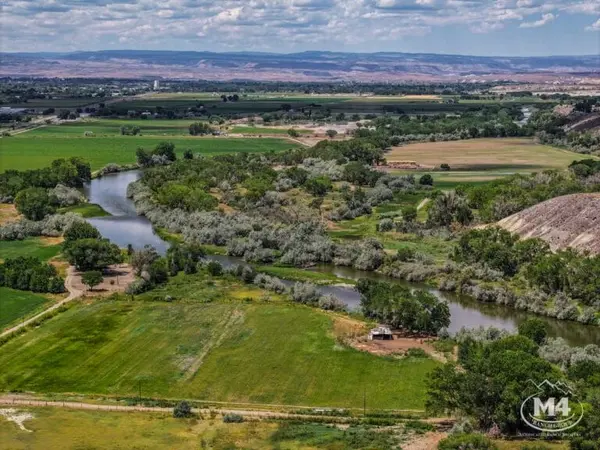
Buying a Horse Property in Colorado? Learn what to inspect beyond the stalls, including zoning, land, water, utilities, access, fencing, and the barn.
Buying a Horse Property With an Existing Barn: What to Inspect Beyond the Stalls
Quick Answer
When buying a horse property with an existing barn, the stalls are only one part of the picture. Buyers should also evaluate the barn's structure, roof, electrical system, drainage, fencing, water access, manure management, roads, easements, zoning, and the overall condition of the land.
In Colorado, the right property depends heavily on how you plan to use it. A property that works well for two horses and a quiet lifestyle may not be suitable for boarding, breeding, training, or expanding your operation.
What should I inspect when buying a horse property with a barn?
It is easy to walk into a barn, see clean stalls, good-looking fencing, and imagine how the property could work for your horses.
That is part of the experience, but it is not the whole evaluation.
A barn can look great and still have issues that are expensive or difficult to address. The same is true of the surrounding land. Drainage, access, water, zoning, and infrastructure can have just as much influence on your day-to-day experience as the number of stalls.
This is especially important around Denver and surrounding communities, where properties can shift quickly from suburban neighborhoods to larger rural parcels in areas such as Parker, Castle Rock, Elizabeth, Franktown, Brighton, Bennett, Hudson, and other parts of the Front Range.
Everyone defines the ideal horse property differently. The first step is understanding what you actually need the property to do.
Does the barn have good structural condition?
The first question is not simply, "How many stalls are there?"
It is, "How is the barn holding up?"
Look at the overall structure, including the foundation, framing, siding, roof, doors, windows, and areas where water may enter. Depending on the age and construction of the barn, there may also be concerns involving wood deterioration, corrosion, settlement, or previous repairs.
Pay attention to signs such as:
- Sagging roof lines
- Water stains or active leaks
- Rotting or damaged wood
- Cracks or movement in masonry
- Rust or corrosion on structural components
- Doors that do not operate correctly
- Areas where the structure appears uneven
- Evidence of repeated patching
A standard home inspection may not fully address every component of a specialized agricultural or equestrian structure.
For an older or particularly important barn, a qualified professional who understands agricultural or equestrian buildings may provide useful additional information.
The goal is not to decide that an older barn is automatically a problem. An older barn may work perfectly well for your goals. The question is whether its condition and expected maintenance align with your plans and budget.
What should I know about the barn roof and drainage?
Colorado's weather can be hard on buildings.
Snow, wind, hail, temperature changes, and intense summer storms can all affect roofs and exterior structures over time.
Look inside the barn for signs of previous water intrusion. Then look outside at how water moves around the building.
Does the roof drain away from the structure?
Are gutters and downspouts functioning?
Does water collect around the foundation?
Does the surrounding ground stay muddy after precipitation?
Drainage matters because repeated moisture can affect the barn itself and create difficult conditions for horses.
A property may look dry during a showing, especially during a sunny Colorado afternoon. That does not necessarily tell you how it behaves after a heavy storm or snowmelt.
If drainage is important to you, ask questions and investigate the property under different seasonal conditions when possible.
Is the barn's electrical system appropriate for how you plan to use it?
Electricity is easy to overlook when you are focused on stalls and acreage.
But barns often have more electrical demands than buyers initially realize.
Think about lighting, heated waterers, fans, outlets, automatic doors, cameras, refrigerators, heaters, pumps, or future equipment.
Older wiring may not support the way you want to use the building. You also want to understand whether previous improvements were completed properly and whether permits were required.
Have the electrical system evaluated by an appropriate professional if there are questions about its condition or capacity.
This is one area where a seemingly small issue can become more significant if you plan to remodel or add equipment later.
Does the property have enough water for horses and other uses?
Water is one of the biggest practical considerations when buying rural or agricultural property in Colorado.
Do not assume that having a well means you can use water however you want.
Ask about the property's water source, well permit, production, storage, distribution system, and any applicable water rights or restrictions. The details can vary significantly from one property to another.
You should also consider where water is needed:
- Barn
- Stalls
- Pastures
- Wash areas
- Home
- Gardens or landscaping
- Irrigation
- Additional outbuildings
A property with acreage may look perfect on paper, but the available water may not support the lifestyle you have in mind.
Water rights and well issues can be complicated, so this is an area where reviewing the property's documentation and consulting the appropriate professionals can be worthwhile.
How should I evaluate fencing and pasture areas?
Good fencing is about more than appearance.
Walk the property and inspect fence posts, gates, corners, latches, wire, boards, electric fencing, and areas where horses could potentially get through or around the enclosure.
Look for evidence of previous repairs.
Also consider the layout.
Can you easily move horses between the barn, pasture, arena, and other areas? Are gates positioned where you would actually use them? Is there enough room for vehicles or equipment to move through the property?
Then look at the ground itself.
A large pasture is not automatically useful pasture. Soil conditions, drainage, vegetation, irrigation, terrain, and seasonal conditions all matter.
If you are purchasing primarily for keeping horses, think about how much usable land you have rather than focusing only on the total acreage listed on the property.
What should I know about manure management?
This is one of those topics that may not come up during a casual property tour, but it becomes part of everyday life quickly.
Where does manure go?
Is there a designated area?
How accessible is it for removal?
Can a truck or trailer reach the area?
Does the location create drainage or odor concerns?
Are there local requirements affecting manure storage or agricultural activities?
The right setup depends on the number of horses and how you intend to manage the property.
If you are moving from a suburban home to acreage, this is a good example of how rural living can involve infrastructure decisions that are easy to underestimate.
Does the property have the right zoning and permitted land use?
A horse-friendly appearance does not automatically mean every equestrian use is permitted.
Colorado land-use rules are determined at the local level, so zoning and permitted uses can differ significantly between counties and municipalities.
Before purchasing, investigate questions such as:
- Are horses permitted?
- Is there a limit on the number of animals?
- Are additional barns or shelters allowed?
- Can you build an arena?
- Are boarding or commercial equestrian activities permitted?
- Are agricultural uses allowed?
- Are accessory structures subject to size or setback requirements?
- Are there HOA or covenant restrictions?
This becomes especially important if you are buying with future plans.
Maybe today you want three horses, but five years from now you would like to board horses or build a larger indoor arena.
Those are two very different use cases.
What matters most depends on your goals, so it is worth confirming the rules before assuming the property can support future plans.
What should I check about roads, access, and easements?
Rural properties often involve access arrangements that are different from typical suburban homes.
Find out how you access the property and whether the road is public or private.
If it is private, understand who maintains it and how costs are shared.
Then review easements affecting the property.
An easement could relate to access, utilities, drainage, irrigation, or other purposes. The location and terms can affect where you can build, park trailers, install fencing, or make improvements.
This is particularly important for horse owners because trailers, hay deliveries, farriers, veterinarians, and other service providers may need dependable access.
A beautiful property is less convenient if the practical logistics do not work for your lifestyle.
How important are utilities when buying rural land with a barn?
A property with a house, barn, and acreage may still require you to investigate several utility systems.
Ask whether the property uses:
- Well water or a public water system
- Septic or sewer
- Propane or natural gas
- Private or public electric service
- Private roads
- Irrigation systems
- Additional pumps or water storage
For septic systems, understand their location, age, capacity, and maintenance history. If you plan to add bedrooms, bathrooms, or other structures, do not assume the existing system can accommodate those changes.
Utilities can be very different between rural and suburban properties, even within the same general Denver-area market.
What should I look for in the land itself?
The land deserves its own inspection.
Walk it.
Do not evaluate acreage exclusively from the driveway or a listing photo.
Look at topography, drainage, vegetation, soil, access, pasture condition, water availability, and areas that may be difficult to use.
Think about winter, too.
Where will snow accumulate?
Can you reach the barn after a storm?
Where will hay deliveries go?
Will trailers have enough room to turn around?
Where does water flow during heavy rain?
These questions can help you understand what owning the property will actually feel like throughout the year.
Should I inspect the horse property differently from a suburban home?
In many cases, yes.
A typical residential inspection focuses primarily on the home and its major systems. A horse property adds another layer of infrastructure and land-use considerations.
You may want to evaluate the:
- Home
- Barn
- Outbuildings
- Fencing
- Arena
- Pastures
- Well and water systems
- Septic system
- Irrigation
- Driveways and private roads
- Drainage
- Electrical systems
- Easements
- Zoning and permitted uses
You do not necessarily need every possible specialist inspection on every property. The appropriate level of due diligence depends on the property's age, condition, complexity, and your intended use.
The important thing is knowing which questions need answers before you become too emotionally attached to the property.
How does buying a horse property differ from buying a suburban home?
The biggest difference is that you are often buying both a home and a small piece of infrastructure.
With a suburban property, you may focus primarily on the house, neighborhood, location, and resale considerations.
With a horse property, the land and improvements become part of the lifestyle.
The barn, fencing, water, roads, pasture, septic system, zoning, and outbuildings all contribute to whether the property fits your plans.
That does not mean rural properties are necessarily more difficult. It simply means there are more pieces to understand.
If you want to explore available properties and compare different types of homes and land, you can start here: Browse available properties
What should buyers ask before making an offer on a horse property?
A useful starting list includes:
- What are the current zoning and permitted animal uses?
- How many horses are currently kept on the property?
- What is the source of water?
- Are there documented water rights or a well permit?
- How old is the barn?
- When was the roof last replaced or repaired?
- Has the barn's electrical system been updated?
- What is the septic system's capacity and history?
- Who maintains the roads?
- Are there recorded easements?
- Are there HOA, covenant, or other land-use restrictions?
- Are there plans or permits for existing outbuildings?
- How is manure currently managed?
- Can the property support the buyer's intended future improvements?
You do not need to answer every question yourself. A good real estate process involves identifying which questions should be answered by inspectors, contractors, surveyors, attorneys, county offices, water professionals, or other specialists.
What if the property has everything I want but needs repairs?
That is where priorities become important.
Maybe the barn needs a new roof, but the property has excellent access, usable pasture, the right zoning, and a layout that would be difficult to replicate.
Another property may have a beautiful barn but limited water or restrictions that conflict with your plans.
There is no universal answer about which property is "better."
Everyone has different priorities, budgets, horses, timelines, and long-term goals.
I always recommend exploring the data and property details that align with your priorities rather than judging a horse property by the number of stalls or the appearance of the barn alone.
Why does due diligence matter so much with Colorado horse properties?
Because land ownership can be different from traditional homeownership.
When you buy acreage, you are not simply buying a structure. You are taking on a combination of land, improvements, infrastructure, access, water, maintenance, and land-use considerations.
Around Denver and throughout the Front Range, properties can vary substantially even when they appear similar in an online search.
One property might offer several acres and an existing barn, while another has similar acreage but very different zoning, water, access, or infrastructure.
Taking time to understand those differences can help you make a decision based on how you actually intend to live.
Some clients like to begin by getting their financing picture organized before spending too much time comparing properties. You can start here if that would be helpful: Get pre-approved
What makes a horse property worth a closer look?
For one buyer, it might be a functional barn and excellent pasture.
For another, it might be proximity to Denver, a manageable commute, good trailer access, and enough land for a few horses.
An investor may look at future development potential, rental possibilities, or the property's broader land characteristics.
There is no single checklist that determines whether a horse property is right for everyone.
A better approach is to create your own priorities before you shop.
Consider:
Must-haves:
The things the property needs to support your lifestyle.
Nice-to-haves:
Features that would make the property more enjoyable but are not essential.
Future needs:
Improvements or uses you may want several years from now.
Potential concerns:
Issues you would want professionally evaluated before moving forward.
That framework can make property tours much more productive.
FAQ: Buying a Horse Property With an Existing Barn
Is a home inspection enough when buying a horse property?
Not necessarily. A home inspection can be an important part of the process, but buyers may also want additional evaluations of barns, wells, septic systems, fencing, electrical systems, drainage, or other specialized improvements. The appropriate inspections depend on the property and your intended use.
What is the most important thing to check when buying a horse property in Colorado?
There is not one answer for every buyer. Water, zoning, land usability, access, infrastructure, and the condition of the barn can all be important. Your intended use should determine which issues receive the most attention.
Can I keep horses on any property with acreage in Colorado?
Not automatically. Horse ownership and other agricultural or equestrian uses can be affected by local zoning, county or municipal regulations, HOA rules, covenants, and other restrictions. Always verify the applicable rules for the specific property.
Should I test the well before buying a rural horse property?
A well evaluation may be worth considering, particularly when the property depends on private water. Buyers may want to review the well permit, available records, production information, water quality, and the property's actual water needs. A qualified water professional can help determine what additional testing makes sense.
What should I look for beyond the barn when buying a horse property?
Look at the entire property. Consider the home, barn structure, roof, electrical system, fencing, pasture, drainage, water, septic, roads, easements, zoning, land-use restrictions, and the ability to access and maintain the property throughout the year.
Categories
Recent Posts