Zoning, Water Rights, and Land Use in Colorado What Buyers Often Miss
Quick Answer
When buying land in Colorado, zoning and water rights often matter as much as the property itself. These factors determine what you can build, how you can use the land, and whether your long-term plans are actually possible.
Introduction
Buying land in Colorado can feel exciting at first.
Open space. Mountain views. The possibility to build something that fits your lifestyle.
But there is a part of the process that many buyers underestimate.
What you can actually do with the land.
We have worked with buyers across Denver and the surrounding areas who found a property they loved, only to discover later that zoning or water restrictions limited their plans.
That can be frustrating. And sometimes expensive.
The goal here is not to overwhelm you. It is to give you clarity.
So you can make decisions that align with what you actually want to do with your property.
What does zoning really mean when buying land in Colorado
Zoning is simply a set of rules.
It determines how a property can be used.
But in practice, it shapes almost everything.
What zoning controls
Depending on the property, zoning may regulate:
- How many homes you can build
- Whether you can keep horses or livestock
- If you can run a business from the property
- Where structures can be placed
- Minimum lot sizes
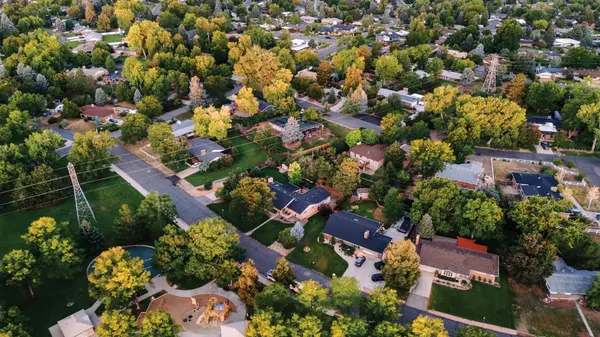
This is especially important in areas around Denver where zoning can shift quickly between counties like Douglas, Elbert, and Jefferson.
Why zoning matters more than buyers expect
It is easy to assume that if a property looks suitable, you can use it that way.
But zoning may say otherwise.
For example:
- A property may look perfect for horses but limit the number allowed
- Land may appear buildable but have restrictions on structures
- Subdividing land may not be permitted
Everyone defines their ideal property differently.
Zoning helps determine whether that vision is realistic.
How do water rights work in Colorado
Water rights are one of the most misunderstood parts of buying land.
And in Colorado, they matter.
A lot.
What are water rights
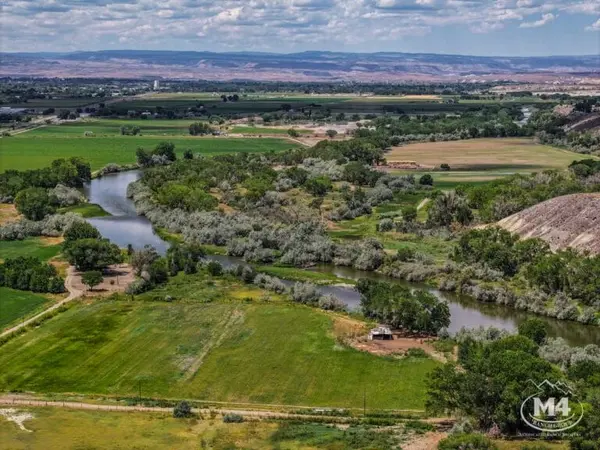
Water rights determine how you can use water on your property.
This can include:
- Well usage
- Irrigation
- Livestock watering
- Household use
Why Colorado water laws are unique
Colorado follows a system based on priority.
Older water rights often have priority over newer ones.
That means access is not always guaranteed the way some buyers expect.
What buyers should look for
Before buying, it is important to ask:
- Does the property have a well
- What type of well permit is in place
- Are there restrictions on water usage
- Can you irrigate land or grow crops
For example, some wells only allow indoor use and limited livestock watering.
If your goal is to maintain pasture or agricultural use, that matters.
What land use regulations should you understand before buying
Zoning and water rights are part of a bigger picture.
Land use regulations include:
- Environmental restrictions
- Easements
- Access rights
- Soil and building conditions
What are easements and why do they matter
An easement allows someone else to use part of your land.
This could be for:
- Utilities
- Road access
- Neighboring property entry
It does not mean you cannot use your land.
But it can affect how and where you build.
What about access and road conditions
Some rural properties rely on:
- Private roads
- Shared driveways
- Easements for access
It is important to confirm:
- Legal access is recorded
- Roads are maintained
- Seasonal conditions do not limit usability
Can you always build on land you buy in Colorado
This is one of the most common assumptions.
And the answer is not always yes.
Factors that affect buildability
- Zoning restrictions
- Soil conditions
- Septic system requirements
- Setback rules
- Utility access
Some land may require additional work before building is possible.
This can include engineering, permits, or infrastructure installation.
Why due diligence matters
It is always worth verifying:
- Is the land approved for building
- What permits are required
- What the timeline might look like
This helps avoid surprises after closing.
How do zoning and water rights impact horse properties
For buyers interested in horse property, these factors are critical.
Zoning and livestock allowances
Zoning determines:
- How many horses are allowed
- Minimum acreage per animal
- Barn and structure rules
Not all acreage automatically allows horses.
Water needs for horses and land
Horses require consistent water access.
If you plan to:
- Maintain pasture
- Irrigate land
- Care for multiple animals
Water rights play a direct role.
What matters most depends on your goals.
Some buyers want a simple setup for a few horses.
Others want a fully functional agricultural property.
What mistakes do buyers often make with land purchases
We see a few patterns come up regularly.
Assuming flexibility without verification
Just because land looks usable does not mean it is.
Always confirm zoning and water details.
Skipping professional guidance
Land purchases often involve more variables than residential homes.
Having guidance can help you navigate those details.
Focusing only on price and location
Land value is important.
But usability is just as critical.
A lower-priced property may require more investment to meet your needs.
How can you start exploring land and rural properties in Denver
If you are considering land or rural property, it helps to start by looking at what is currently available.
You can browse available homes here:
👉 https://www.yourwunderhome.com/listing
This gives you a sense of pricing, location, and property types.
If you want to explore your financing options early, some clients like to begin here:
👉 https://www.yourwunderhome.com/get-pre-approved
You can also see what others have experienced when working through these decisions here:
👉 https://www.yourwunderhome.com/reviews
How do you decide if a piece of land fits your goals
This is where everything comes together.
Ask yourself:
- What do you want to use the land for
- Does zoning allow that use
- Does water access support your plans
- Are you comfortable with any limitations
Everyone defines this differently.
There is no perfect property.
But there is a property that fits your goals better than others.
A practical way to approach land buying in Colorado
Buying land in Colorado is not just about finding space.
It is about understanding how that space works.
Zoning, water rights, and land use rules are not obstacles.
They are tools that help define what is possible.
If you take the time to understand them, you can make decisions that feel more confident and aligned with your plans.
If you are exploring land, horse property, or rural homes around Denver, we are always here as a resource.
No pressure, just guidance when you need it.
👉 https://www.yourwunderhome.com/
FAQ Section
What zoning laws affect land purchases in Colorado
Zoning laws determine how land can be used, including building rules, livestock allowances, and property divisions. These vary by county and location.
How do water rights work when buying land in Colorado
Water rights control how water can be used on a property. This includes wells, irrigation, and livestock use. Not all properties have the same rights.
Can I build a house on any land I buy in Colorado
Not always. Buildability depends on zoning, soil conditions, utilities, and local regulations. It is important to verify before purchasing.
Do all rural properties allow horses in Colorado
No. Zoning determines whether horses are allowed and how many you can have. This should always be confirmed before buying.
What should I check before buying rural land near Denver
Review zoning, water rights, access, utilities, and land conditions. These factors shape how usable the property will be.
Categories
Recent Posts