How to Analyze a Rental Property Deal in Colorado: Beginner-Friendly Guide

Analyzing a rental property means looking beyond the purchase price and estimated rent. Colorado investors should consider financing, property taxes, insurance, maintenance, vacancy, management, utilities, and local rental demand before deciding whether a property fits their goals.
A rental that looks attractive on paper may produce very different results once the full cost of ownership is considered. The goal is not to find a universally "good" deal, but to understand the numbers well enough to decide whether a specific property makes sense for you.
Why Rental Property Analysis Matters
Buying a rental property is different from buying a home you plan to occupy.
With a primary residence, your personal preferences may carry significant weight. With an investment property, the property's income and expenses become part of the decision.
That doesn't mean every investor needs to chase the highest possible return.
Some buyers prioritize monthly cash flow. Others are more interested in long-term appreciation, equity growth, tax considerations, diversification, or owning an asset they understand.
Everyone defines investment success differently.
A useful rental property analysis helps you compare those priorities against the actual numbers.
For example, imagine a Denver-area property listed for $500,000 with projected rent of $3,000 per month. At first glance, $36,000 in annual rent may sound appealing.
But that $36,000 is gross rental income, not profit.
You still need to account for financing, property taxes, insurance, repairs, vacancy, management, and other costs.
That is where the real analysis begins.
Start With the Purchase Price and Financing
The purchase price is the starting point, not the entire investment.
When evaluating a Colorado rental property, consider:
- Purchase price
- Down payment
- Interest rate
- Loan type
- Closing costs
- Lender fees
- Initial repairs or improvements
- Reserves for unexpected expenses
Your financing structure can significantly change the monthly numbers.
For example, two investors could purchase the same property but have very different cash flow because they use different down payments or loan terms.
If you are considering an investment purchase, it can be helpful to understand your financing options before comparing properties.
Some clients like to begin here: Get Pre-Approved
A pre-approval does not determine whether a rental is a good investment. It simply gives you a clearer idea of the financing parameters you're working within.
Estimate Realistic Rental Income
Projected rent is one of the most important numbers in a rental property analysis, and it is also one that deserves careful attention.
Don't rely on a single rental listing or an optimistic estimate.
Instead, compare similar properties based on factors such as:
- Location
- Number of bedrooms and bathrooms
- Square footage
- Property condition
- Parking
- Yard or outdoor space
- Updates
- Amenities
- School and employment access
- Local rental competition
A property near central Denver may have a very different rental profile from a suburban property in Parker, Castle Rock, Arvada, or another surrounding community.
The same applies to rural properties.
A home with acreage, a barn, or horse facilities may appeal to a narrower tenant pool, but it could also attract tenants specifically seeking those features.
What matters most depends on the strategy.
Account for Vacancy
No rental property should be modeled as though it will be occupied every day of every year.
Vacancy can happen between tenants, during turnover, or when a property needs repairs before it can be rented again.
Instead of assuming 100 percent occupancy, investors can model a vacancy allowance as part of their projected expenses.
The exact assumption depends on the property, location, tenant profile, and market conditions.
The purpose is not to predict the future perfectly. It is to stress-test the investment.
If the numbers only work when everything goes exactly according to plan, that is useful information to have before purchasing.
Calculate the Full Operating Expenses
This is where many beginner investors underestimate the true cost of ownership.
Common rental property expenses include:
Property Taxes
Colorado property taxes vary by location and property characteristics. Review the property's current tax information and understand that future taxes can change.
Insurance
Rental property insurance may differ from owner-occupied homeowners insurance. Get an estimate specific to the property and intended use.
Maintenance and Repairs
Roofs, furnaces, appliances, plumbing, landscaping, fencing, and other components eventually require attention.
Older properties may require a different maintenance strategy than newer construction.
Property Management
If you plan to hire a property manager, include that cost in your analysis.
Even if you initially plan to manage the property yourself, it can be useful to understand what professional management would cost.
Utilities
Determine which utilities are paid by the tenant and which remain the owner's responsibility.
This can be particularly important for larger homes, rural properties, and properties with wells, septic systems, acreage, or outbuildings.
HOA Fees
Some Colorado rental properties are located within HOAs. Review the fees and rules, including any rental restrictions.
Landscaping and Snow Removal
These costs can be easy to overlook, especially for larger suburban or rural properties.
A property with significant acreage may require substantially more maintenance than a typical Denver subdivision rental.
Look Beyond Cash Flow
Cash flow is important, but it is only one way to evaluate a rental property.
An investor may also consider:
- Potential appreciation
- Principal reduction
- Equity growth
- Tax implications
- Future renovation potential
- Neighborhood development
- Long-term rental demand
For example, a property with modest projected monthly cash flow could still appeal to an investor whose strategy emphasizes long-term ownership and equity growth.
Another investor may prioritize stronger immediate cash flow and be less interested in waiting for potential appreciation.
Neither approach is automatically right.
The important thing is understanding which strategy you are pursuing before you compare properties.
Use Simple Investment Metrics
You do not need an advanced financial model to begin analyzing a rental.
Several basic metrics can help organize your thinking.
Gross Rental Income
Monthly rent multiplied by 12 gives you estimated annual gross rental income.
For example:
$2,800 monthly rent × 12 = $33,600 annual gross rent.
This is before vacancy and expenses.
Net Operating Income
Net operating income, commonly called NOI, generally looks at rental income minus operating expenses.
It does not typically include mortgage principal and interest.
Cash Flow
Cash flow is what remains after operating expenses and debt service are accounted for.
A simplified calculation might look like:
Rental income - vacancy - operating expenses - mortgage payment = estimated cash flow
This is a simplified model, but it can be useful for an initial comparison.
Cash-on-Cash Return
Cash-on-cash return compares annual cash flow with the amount of cash you invested.
It can help investors compare properties requiring different amounts of upfront capital.
These metrics are useful tools, but they should be considered alongside the property's condition, location, financing, and your overall investment strategy.
Colorado-Specific Factors Worth Reviewing
Colorado rental properties can come with considerations that deserve attention beyond the standard income and expense calculations.
Local regulations can vary significantly between Denver and surrounding communities.
Depending on the property, you may want to review:
- Local rental licensing requirements
- Occupancy rules
- HOA rental restrictions
- Zoning
- Property taxes
- Insurance availability and costs
- Local landlord-tenant requirements
- Short-term rental regulations
These details can matter even more when you're evaluating unique properties.
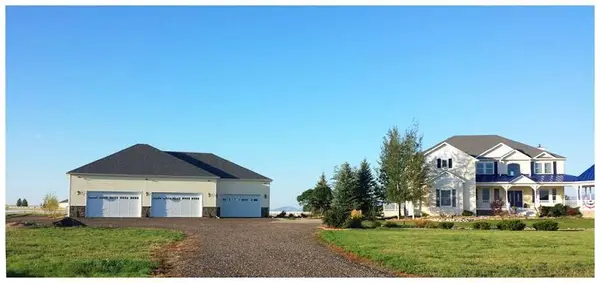
For example, a rural rental with acreage may have a well and septic system instead of municipal utilities. A horse property may have barns, fencing, arenas, and pasture that require additional maintenance.
A suburban property may have HOA restrictions that affect leasing.
The physical property and its local regulations both belong in your analysis.
Rural and Horse Properties Require a Different Lens
Lifestyle-driven rentals can be attractive investment opportunities, but they often need a more detailed evaluation.
Suppose you're considering a horse property outside Denver.
The property may include:
- Five or more acres
- A barn
- Fencing
- Pasture
- A riding arena
- A well
- Septic
- Multiple outbuildings
Those features may create additional appeal for a particular tenant profile.
They can also create additional ownership responsibilities.
Maintenance on fencing, pasture, irrigation, barns, wells, septic systems, and larger grounds can affect operating expenses.
Before buying, consider whether the projected rental income appropriately reflects the property's maintenance requirements.
If you want to explore available investment opportunities, you can browse current listings here: Available Listings
Stress-Test the Deal Before Making a Decision
One of the most useful habits for a new investor is to run more than one scenario.
Instead of using only your expected numbers, consider:
Conservative scenario:
Lower rent, higher vacancy, and larger maintenance expenses.
Expected scenario:
Your best estimate based on comparable rentals and known property costs.
Optimistic scenario:
Higher rent, low vacancy, and limited unexpected expenses.
This exercise can reveal how sensitive the investment is to changes.
For example, if a property only works when rent is at the very top of the local market and maintenance stays unusually low, you may want to examine the assumptions more closely.
I always recommend exploring data that aligns with your priorities rather than relying on a single projected return.
Evaluate the Property as a Long-Term Asset
A rental property is also a physical asset that will need to be maintained.
Before purchasing, consider the age and condition of:
- Roof
- HVAC system
- Plumbing
- Electrical systems
- Appliances
- Windows
- Foundation
- Exterior
- Fencing
- Driveway
For rural and agricultural properties, add:
- Barns
- Wells
- Septic systems
- Irrigation
- Outbuildings
- Pasture fencing
- Roads and access
A property that needs substantial work may still fit an investor's strategy, but those costs should be reflected in the purchase analysis.
Consider the Tenant You Want to Attract
A rental investment becomes easier to evaluate when you understand who is likely to rent it.
For a typical Denver-area home, that could be professionals, families, or other long-term renters.
For a property with acreage, the tenant profile may be different.
A horse property could attract renters who specifically want space for animals. A rural property may appeal to someone looking for privacy, land, or an alternative to suburban living.
The key is matching the property to a realistic tenant pool.
This can help you think about both rental demand and the features worth maintaining.
A Simple Rental Property Analysis Checklist
Before making an offer, consider organizing your research around these categories:
Purchase
- Purchase price
- Down payment
- Closing costs
- Initial repairs
Income
- Market rent
- Other potential income
- Vacancy allowance
Expenses
- Property taxes
- Insurance
- Maintenance
- Management
- HOA
- Utilities
- Landscaping
- Snow removal
Property Condition
- Major systems
- Age of improvements
- Deferred maintenance
- Rural infrastructure, if applicable
Market
- Comparable rentals
- Tenant demand
- Nearby development
- Neighborhood characteristics
Strategy
- Cash flow
- Long-term appreciation
- Equity growth
- Holding period
- Exit strategy
This framework can help turn a listing into a more complete investment picture.
Final Thoughts
Analyzing a rental property deal in Colorado doesn't have to be complicated, but it does require looking beyond the asking price and advertised rent.
The most useful analysis considers the property's income, expenses, financing, condition, location, tenant pool, and your personal investment objectives.
Everyone defines a successful investment differently.
For one investor, monthly cash flow may be the priority. For another, long-term ownership and equity growth may matter more. A third investor may be interested in a lifestyle property that combines rental income with land ownership.
There is no need to force every property into the same formula.
If you're thinking about buying or selling a Colorado rental property, horse property, rural home, or residential investment, Gabrielle and Ryan are happy to be a resource. You can learn more about their approach and available resources here: Wunderlich Land and Home Advisor
No pressure, just guidance when you need it.
FAQ
- How do I analyze a rental property deal in Colorado?
- Start with the purchase price, financing, realistic rental income, vacancy, operating expenses, and expected cash flow. Then consider property conditions, local rental demand, taxes, insurance, zoning, and your long-term investment goals.
- What expenses should I include when analyzing a Colorado rental property?
- Common expenses include property taxes, insurance, maintenance, vacancy, property management, HOA fees, utilities, landscaping, snow removal, and mortgage payments. Rural properties may also require additional expenses for wells, septic systems, fencing, barns, or acreage maintenance.
- How do I calculate rental property cash flow?
- A simplified calculation is rental income minus vacancy, operating expenses, and mortgage payments. This provides an estimate rather than a guarantee, so it is helpful to run multiple scenarios using different assumptions.
- Are horse properties different from typical rental investments?
- They can be. Horse properties and rural homes may have additional infrastructure such as barns, fencing, arenas, wells, septic systems, irrigation, and larger grounds. Those features can appeal to a specific tenant pool while also creating additional maintenance considerations.
- What makes a Colorado rental property worth considering?
- That depends on the investor. Some prioritize cash flow, while others focus on appreciation, equity growth, tax considerations, or a combination of factors. The most useful approach is to compare the property's actual numbers against your own goals, risk tolerance, and investment timeline.
Categories
Recent Posts